




October 20, 2025
From sports and shoulder injuries to their injuries and performance enhancement goals.
What makes Dynamic Neuromuscular Rehabilitation different in the area of orthopedic condition treatment? Our head doctop, non-invasive sports injury and orthopedic rehabilitation facility.
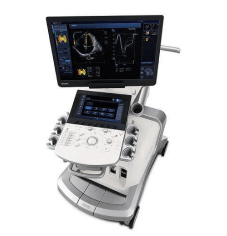
Dr. Kalika’s proficiency in diagnostic ultrasound imaging, in addition to implement the most comprehensive treatment program, Dynamic Neuromuscular Rehabilitation has become synonymous with “the best orthopedic in New York.”
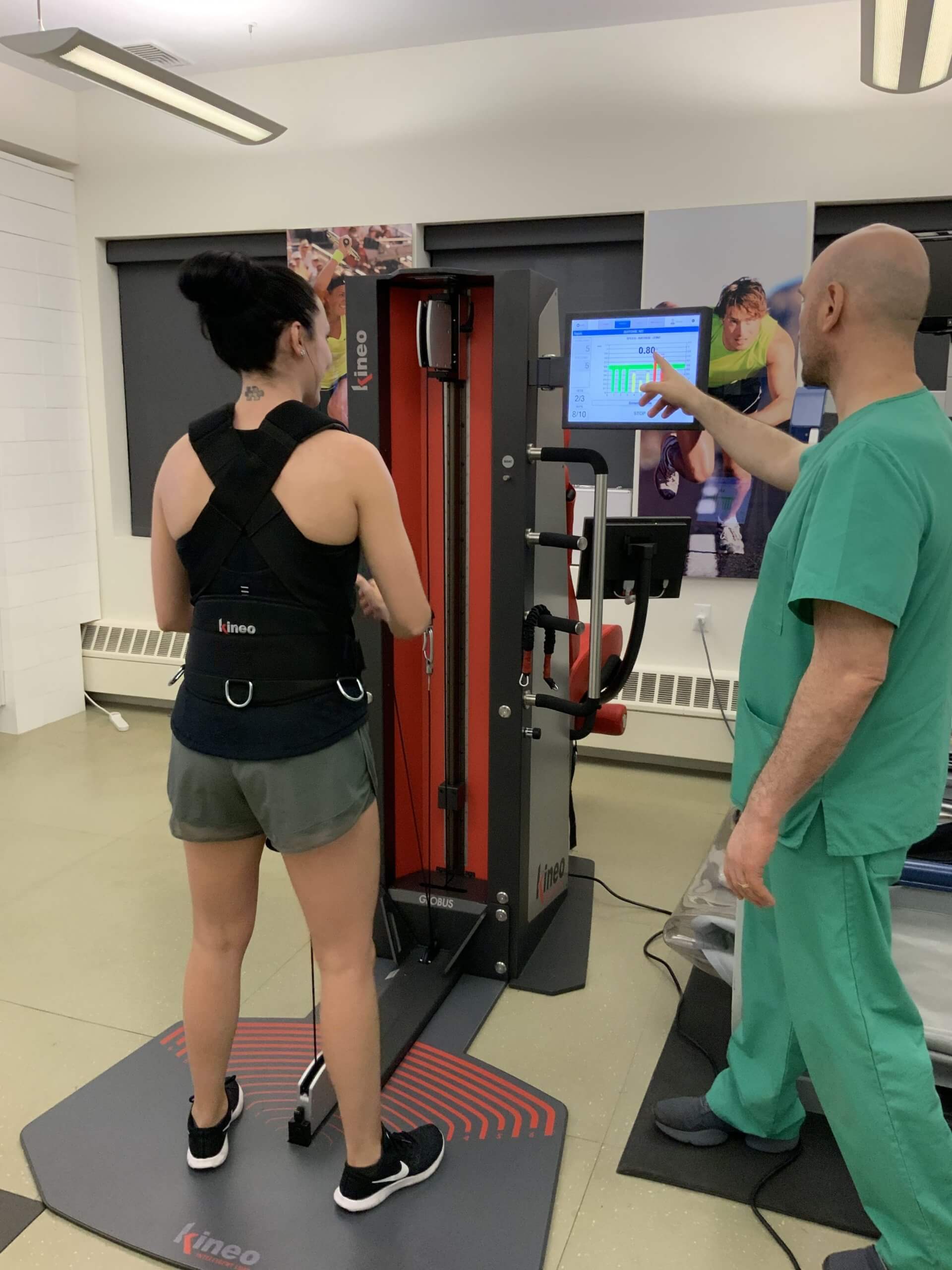
“Locomotor control of the central nervous system. Further, our exercise program encompasses stability and posture training, body awareness exercises, breathing retraining and neuromuscular exercises.
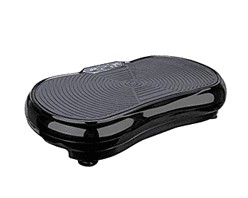
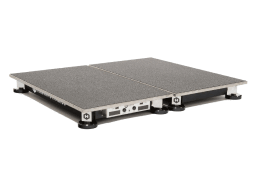
Our functional approach has resulted in not only alleviating orthopedic condition suffering but also prevents relapses and recurrences common with such afflictions as back pain – for patients that find themselves with increased and hectic work schedules or professional or recreational athletes, we transform stability training into functional training. This is a goal-oriented approach, involving various movements such as lunges, squats, pulling and twisting, all of which are performed in challenging positions and enhanced by different labile surfaces.
Discover for yourself why Dynamic Neuromuscular Rehabilitation is a highly respected orthopedic in Manhattan facility.
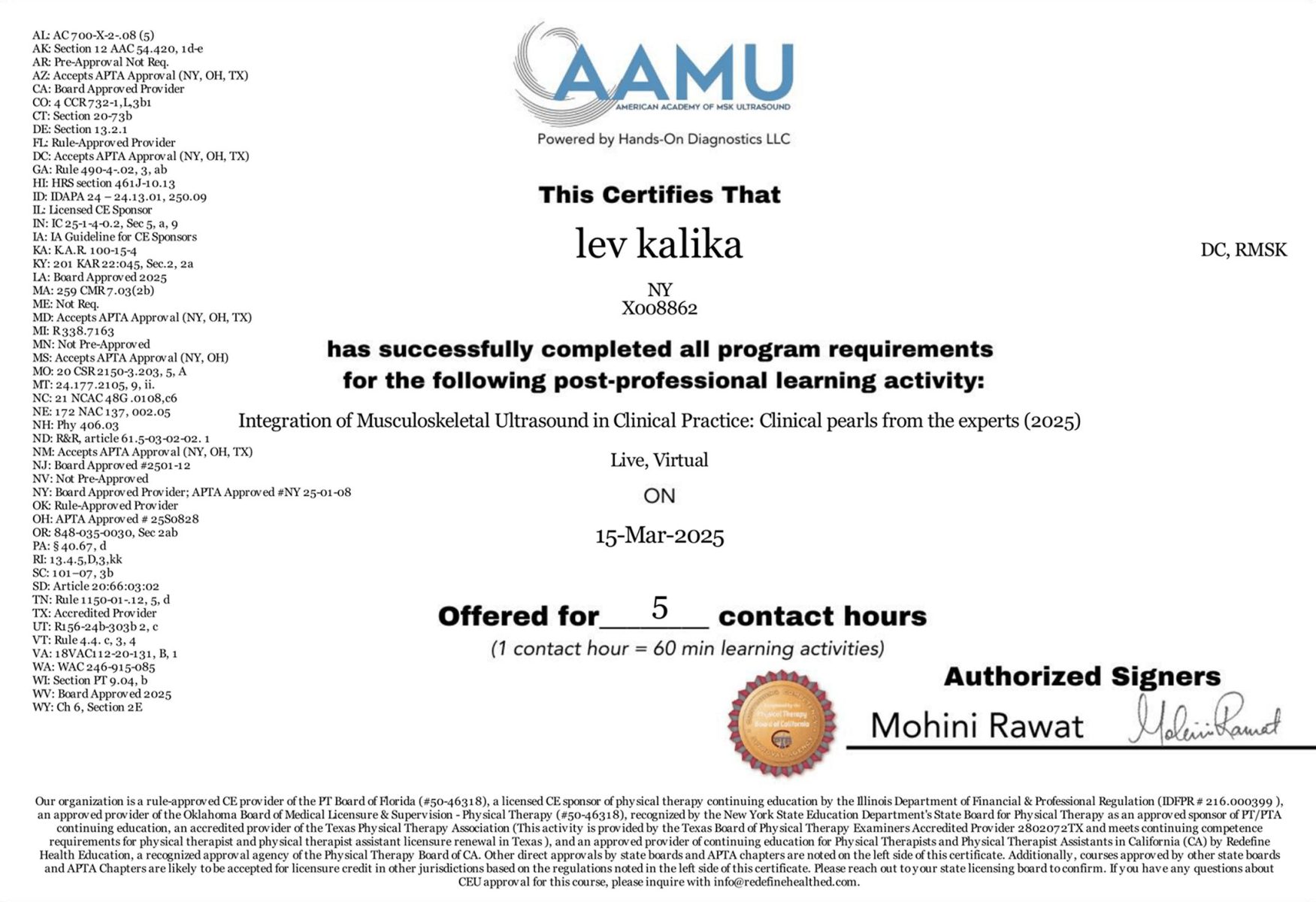

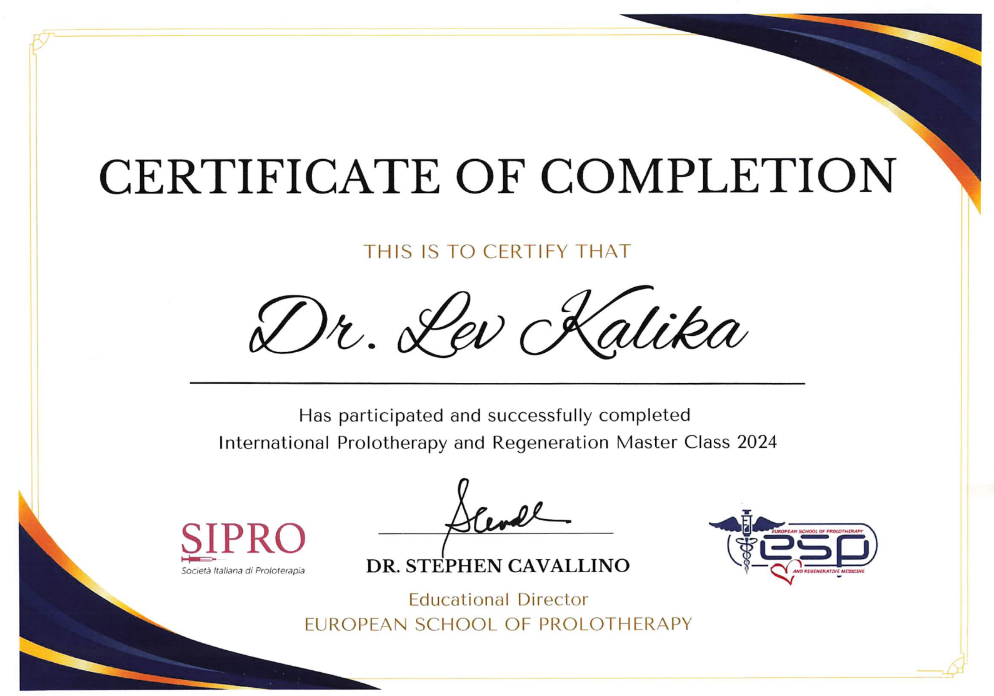
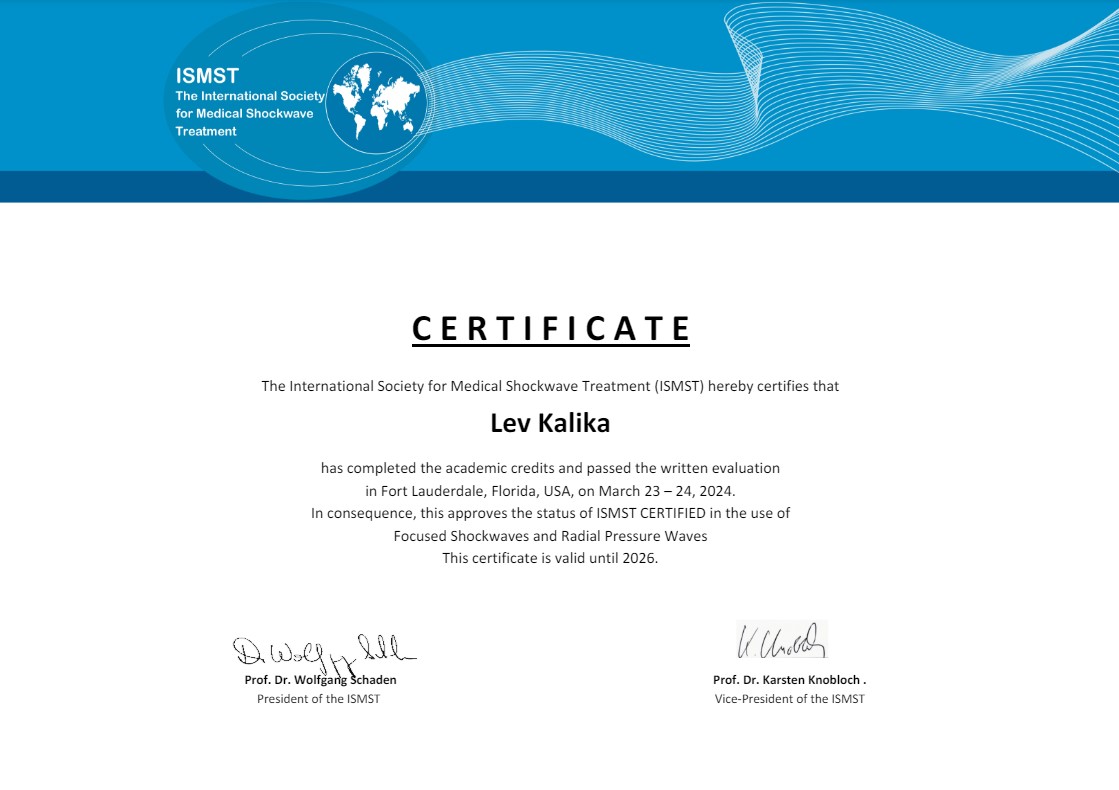
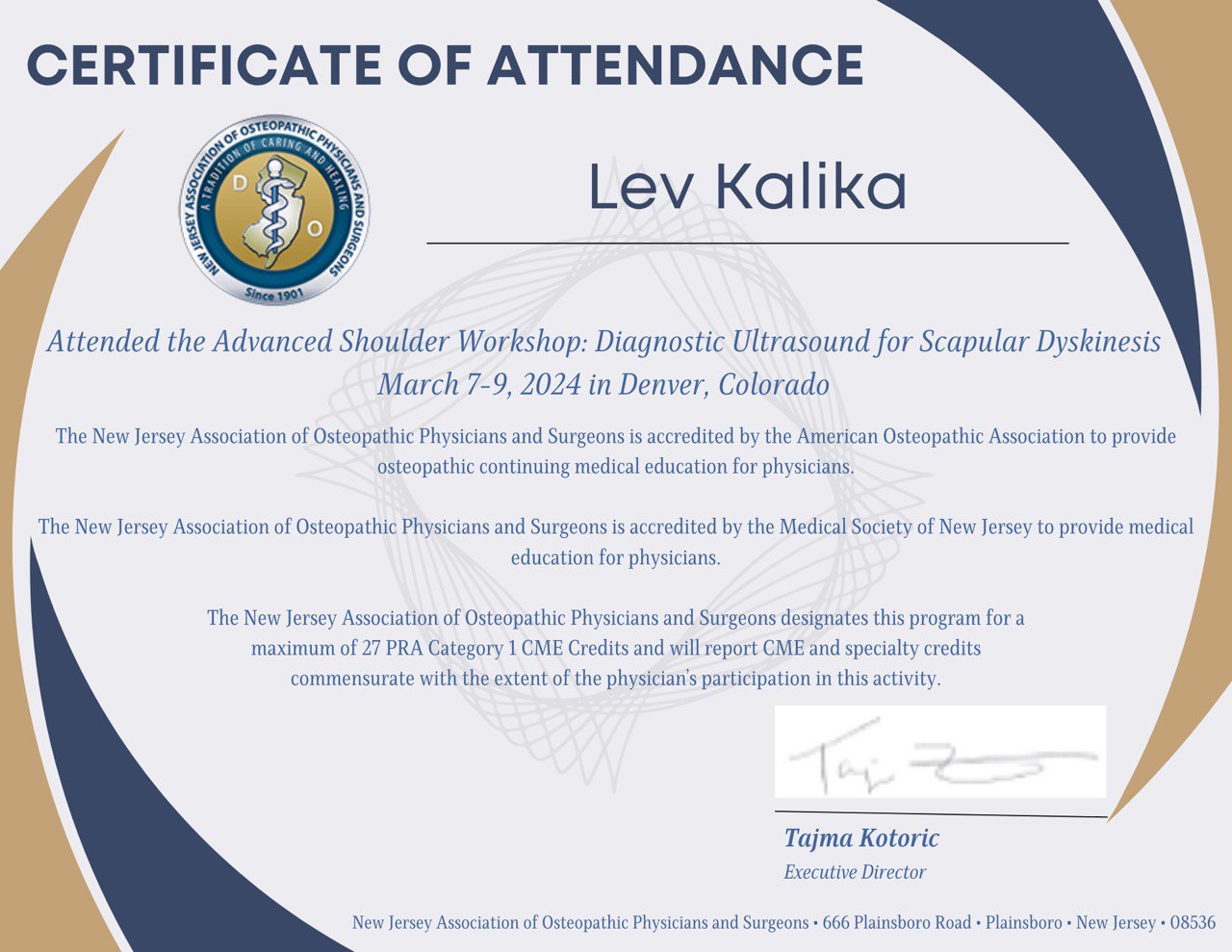
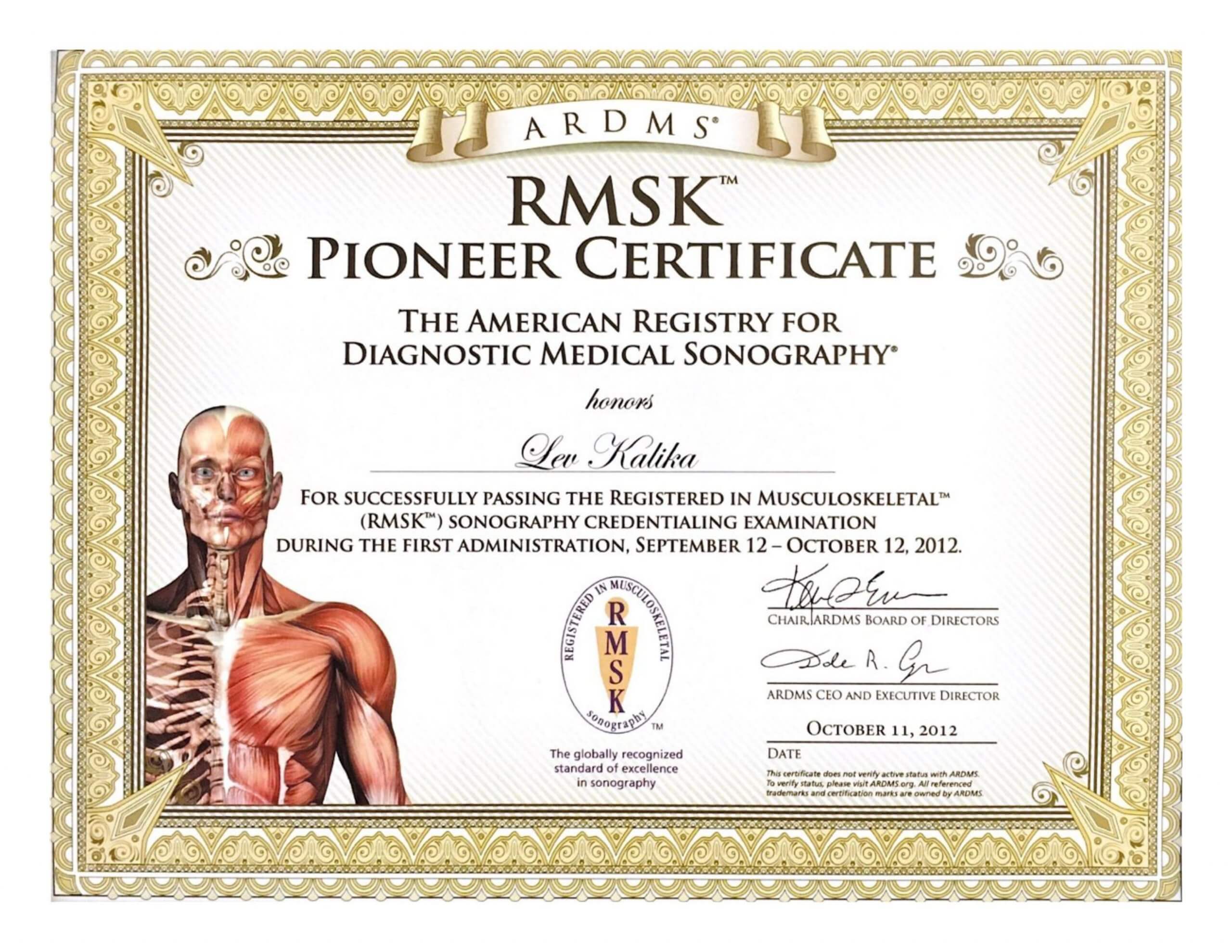
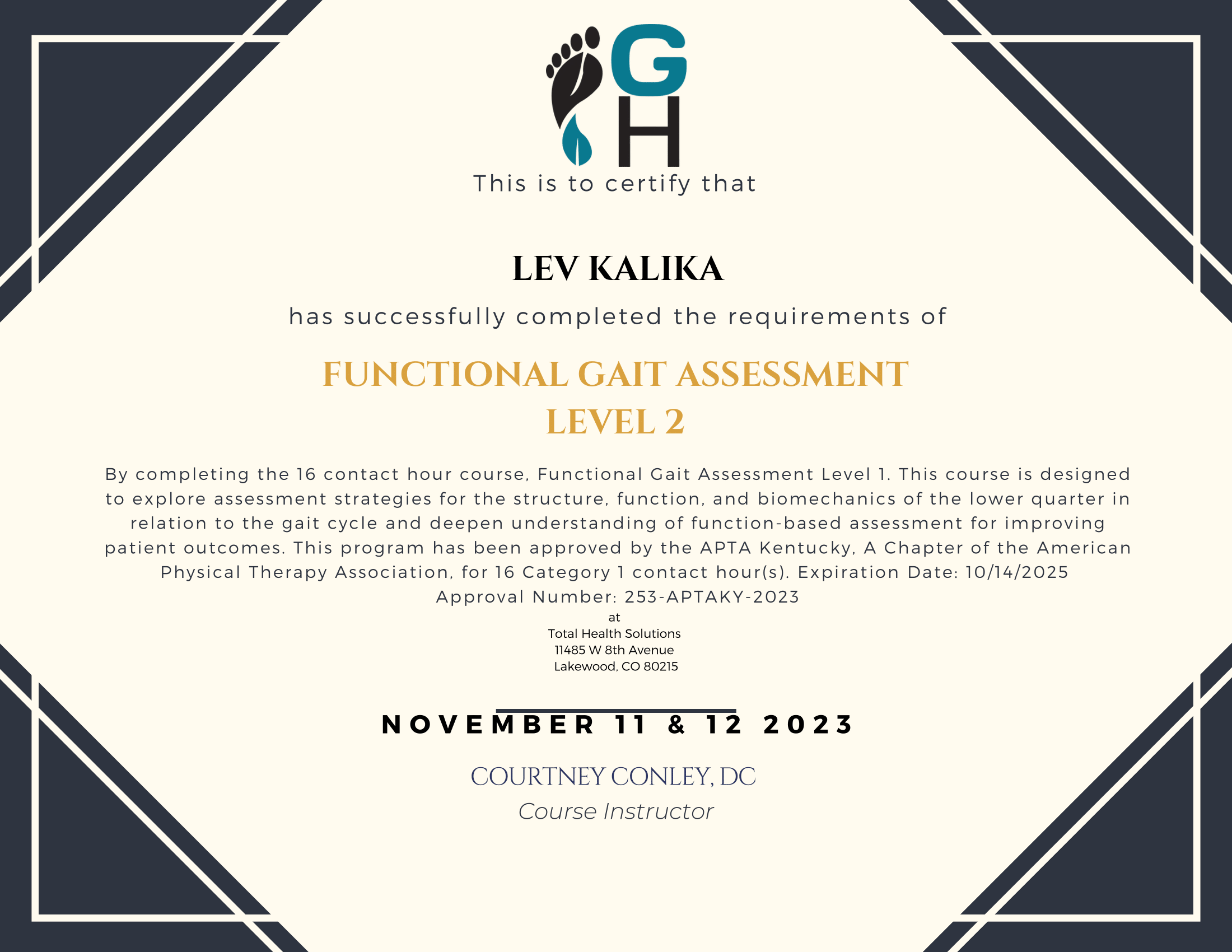

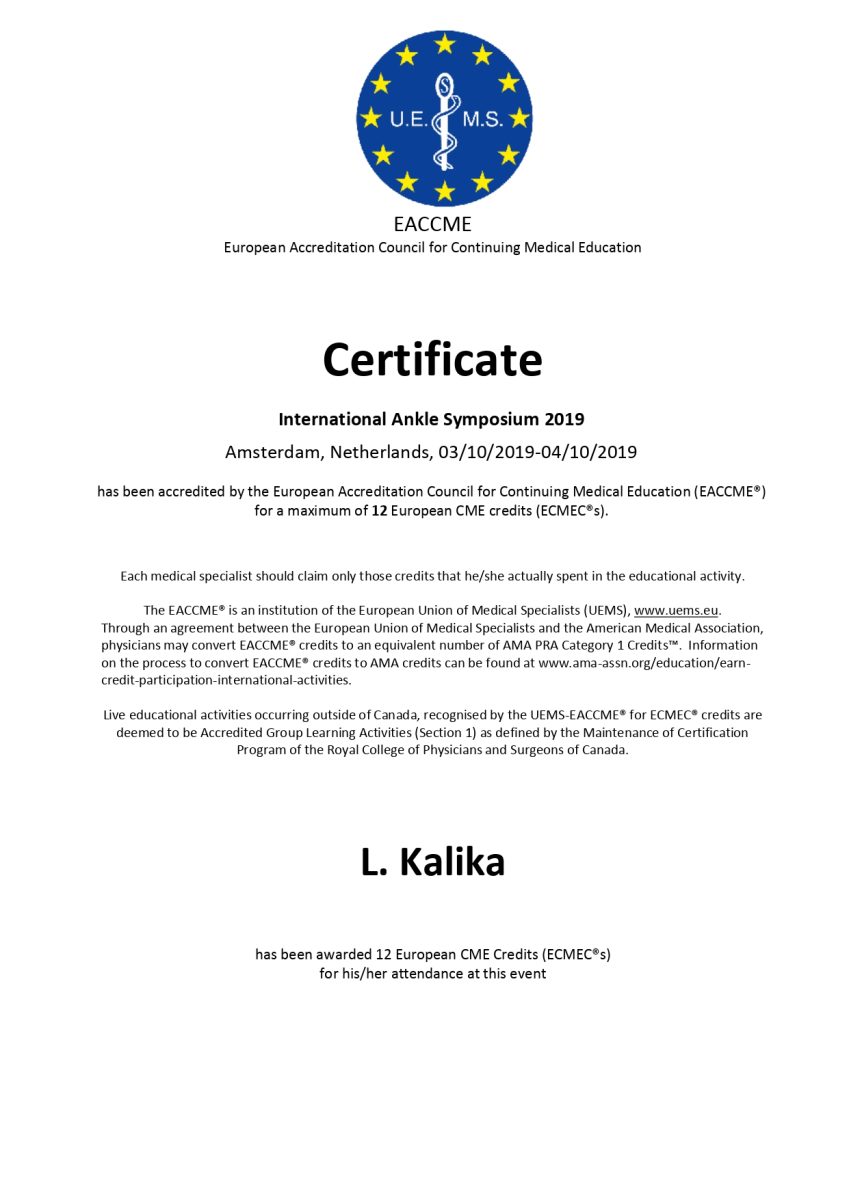
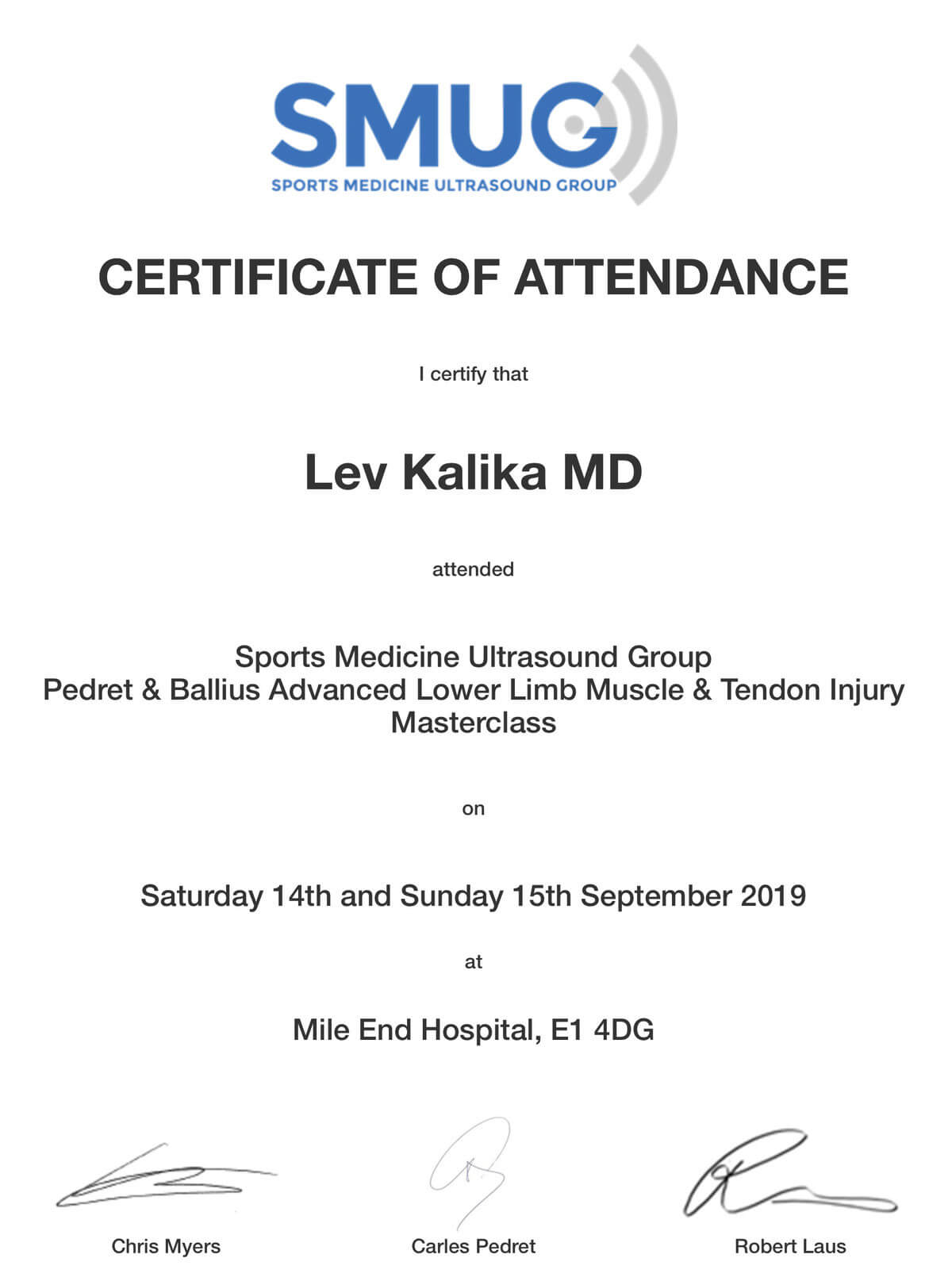
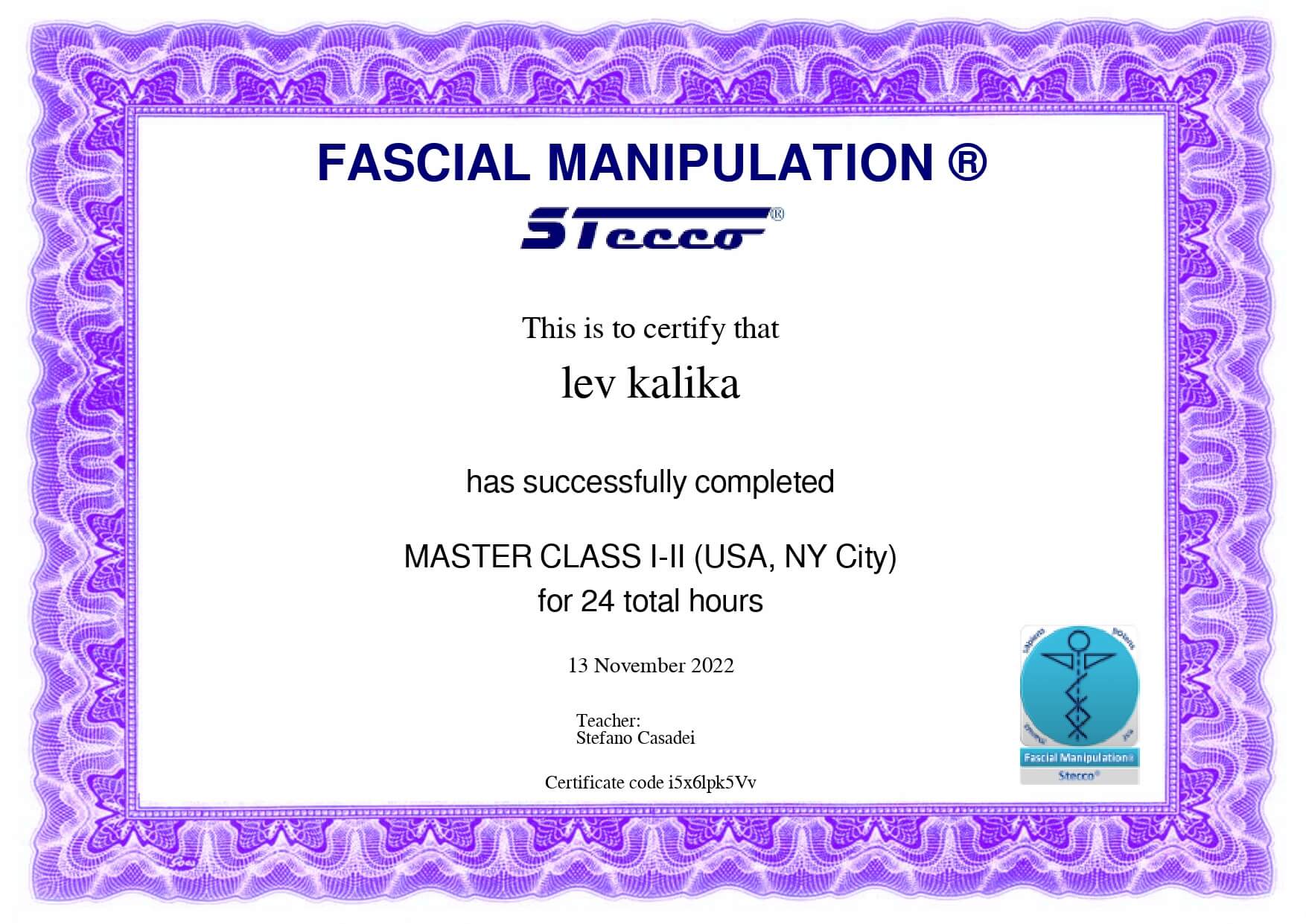
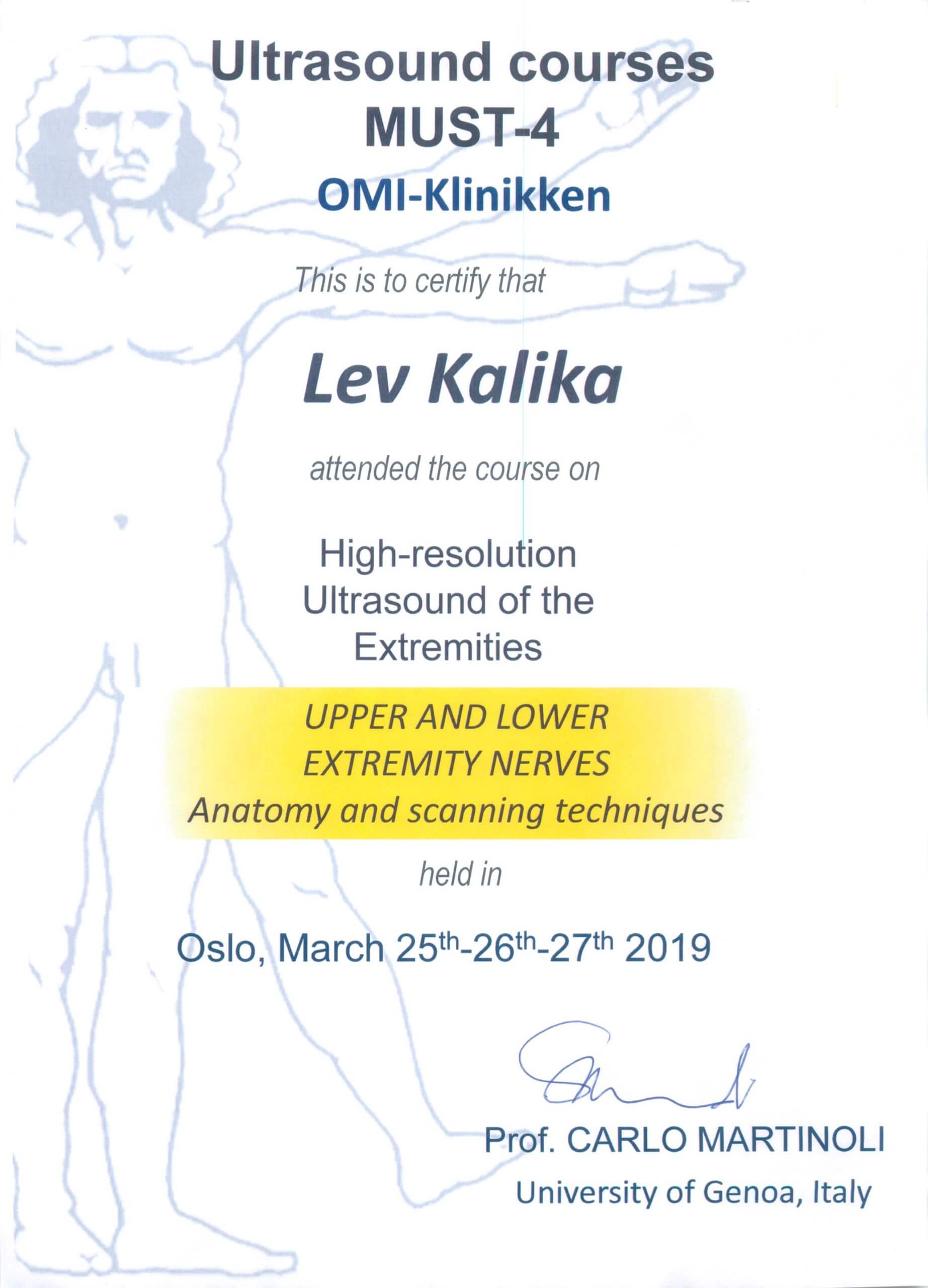


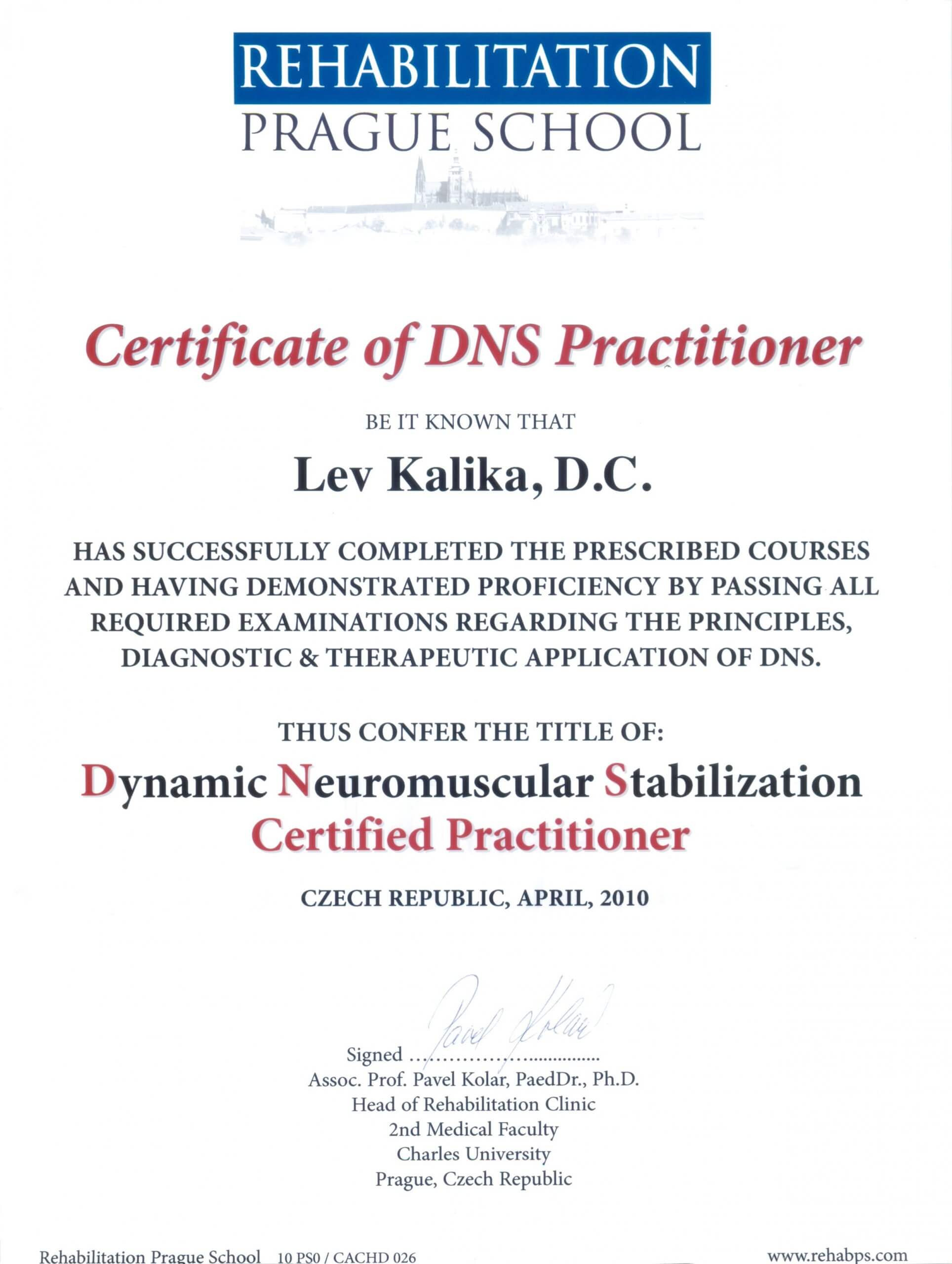
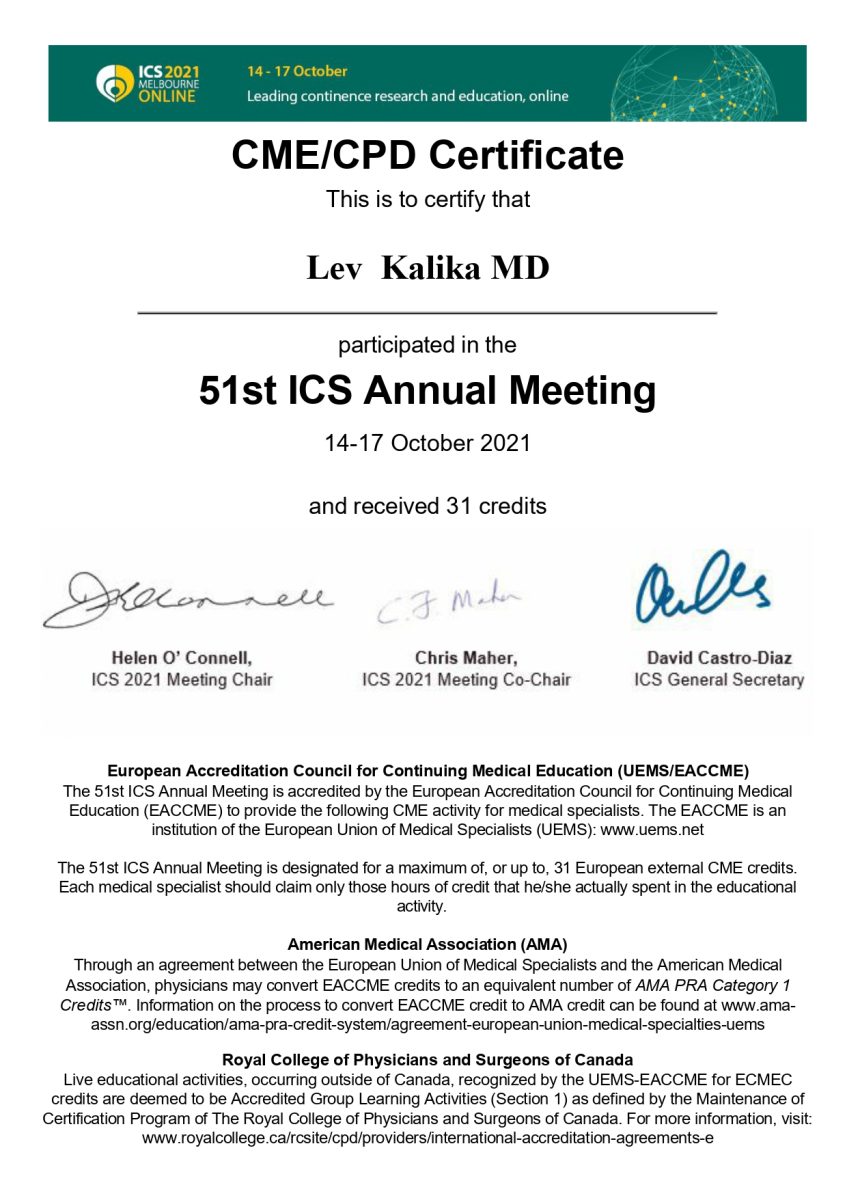
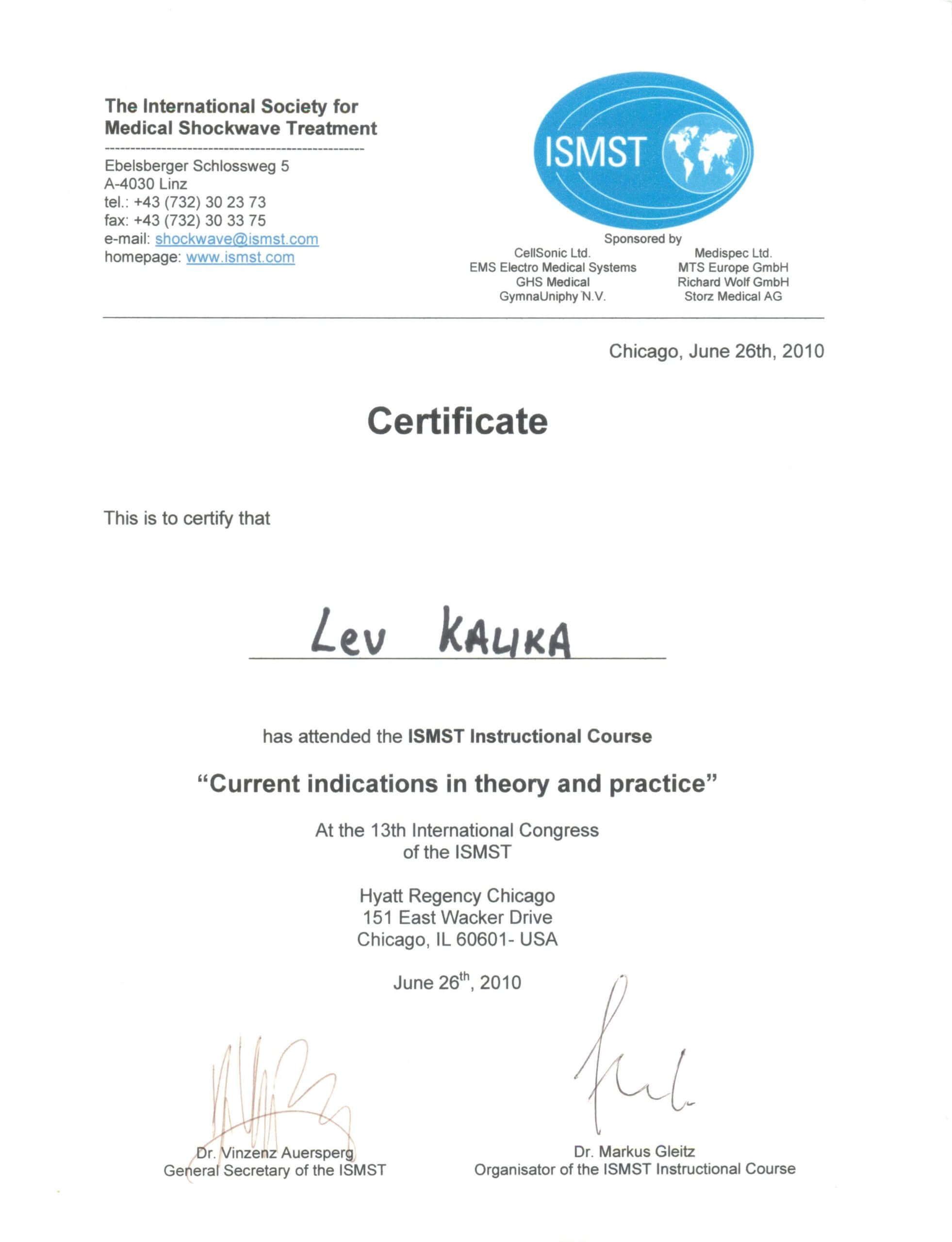

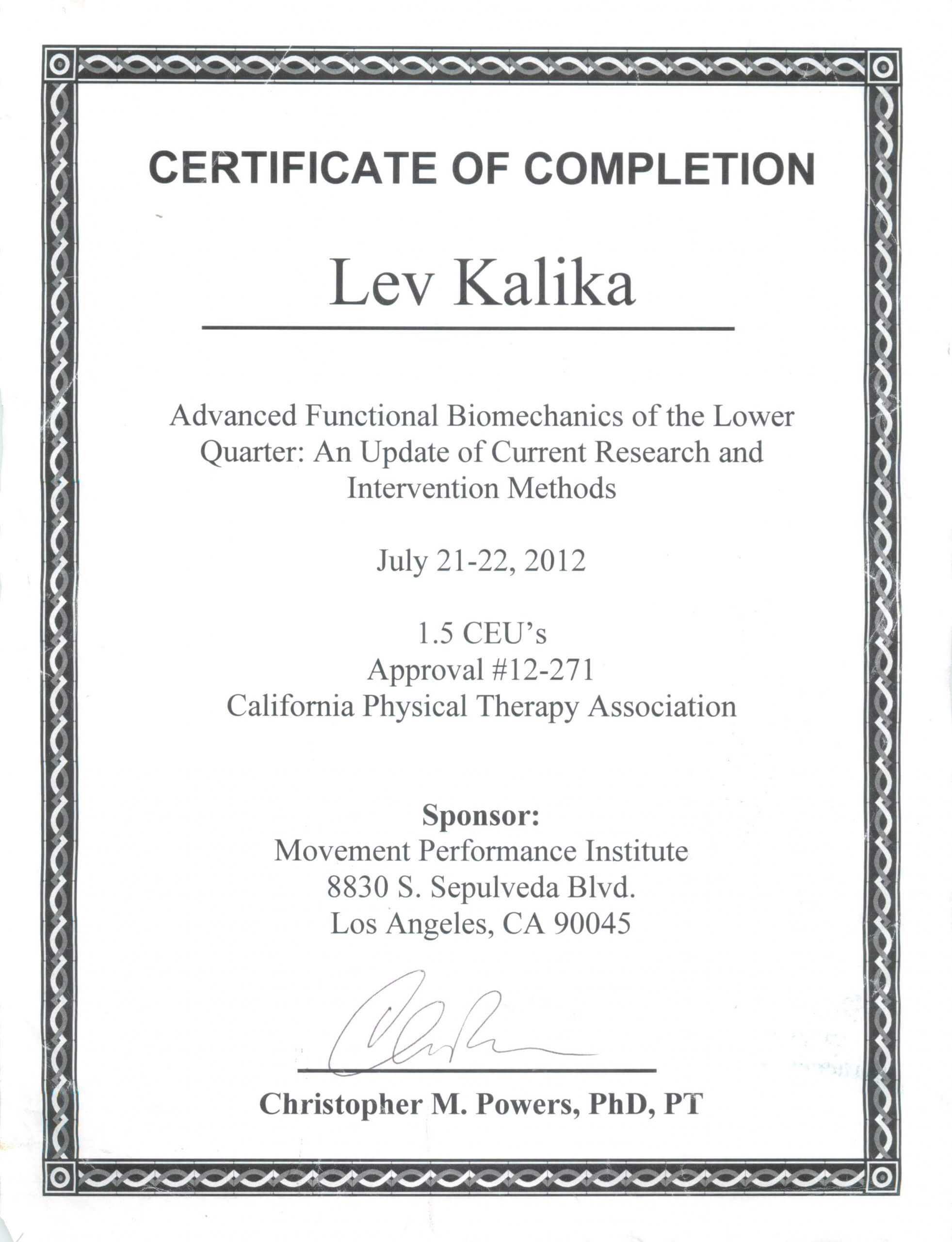
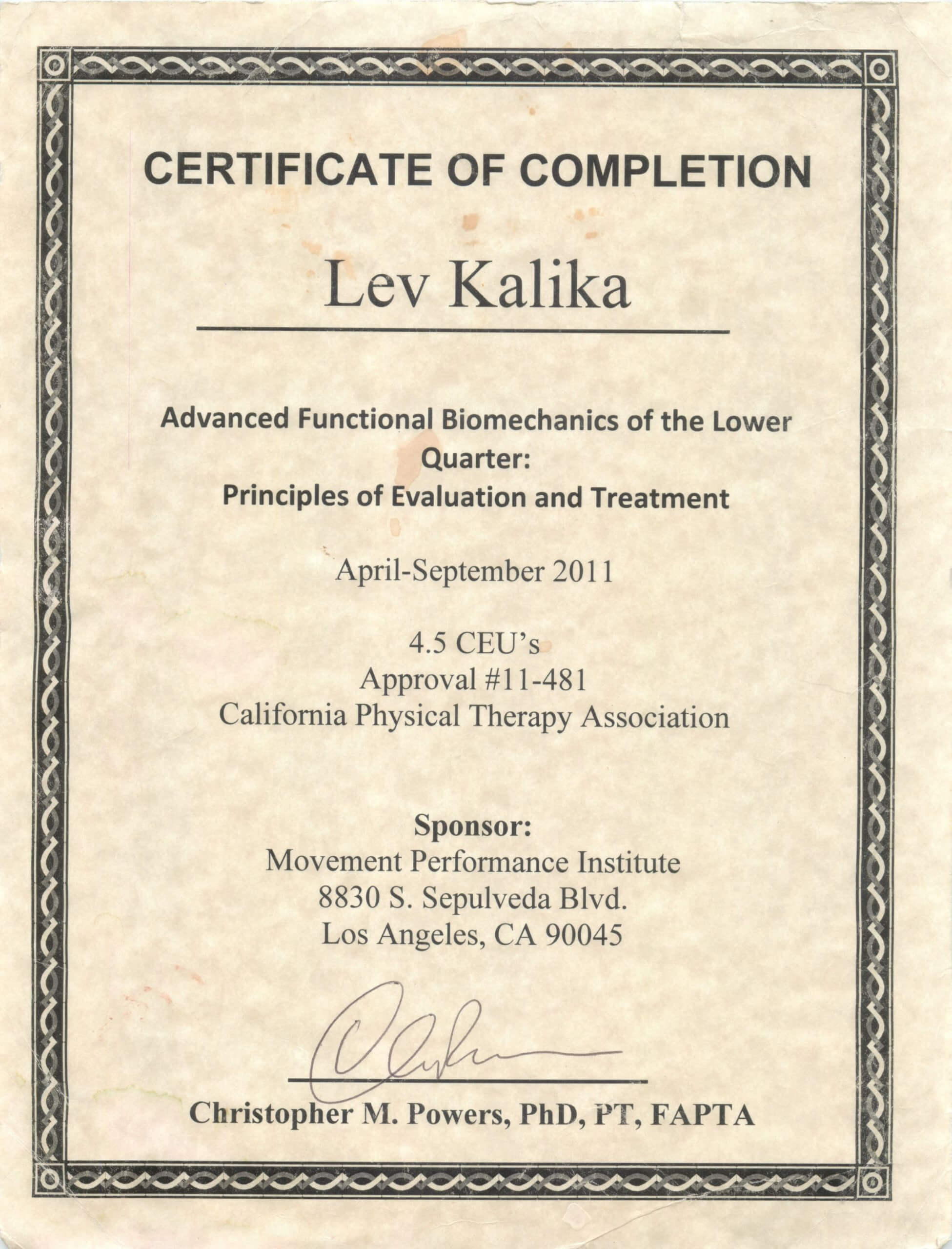
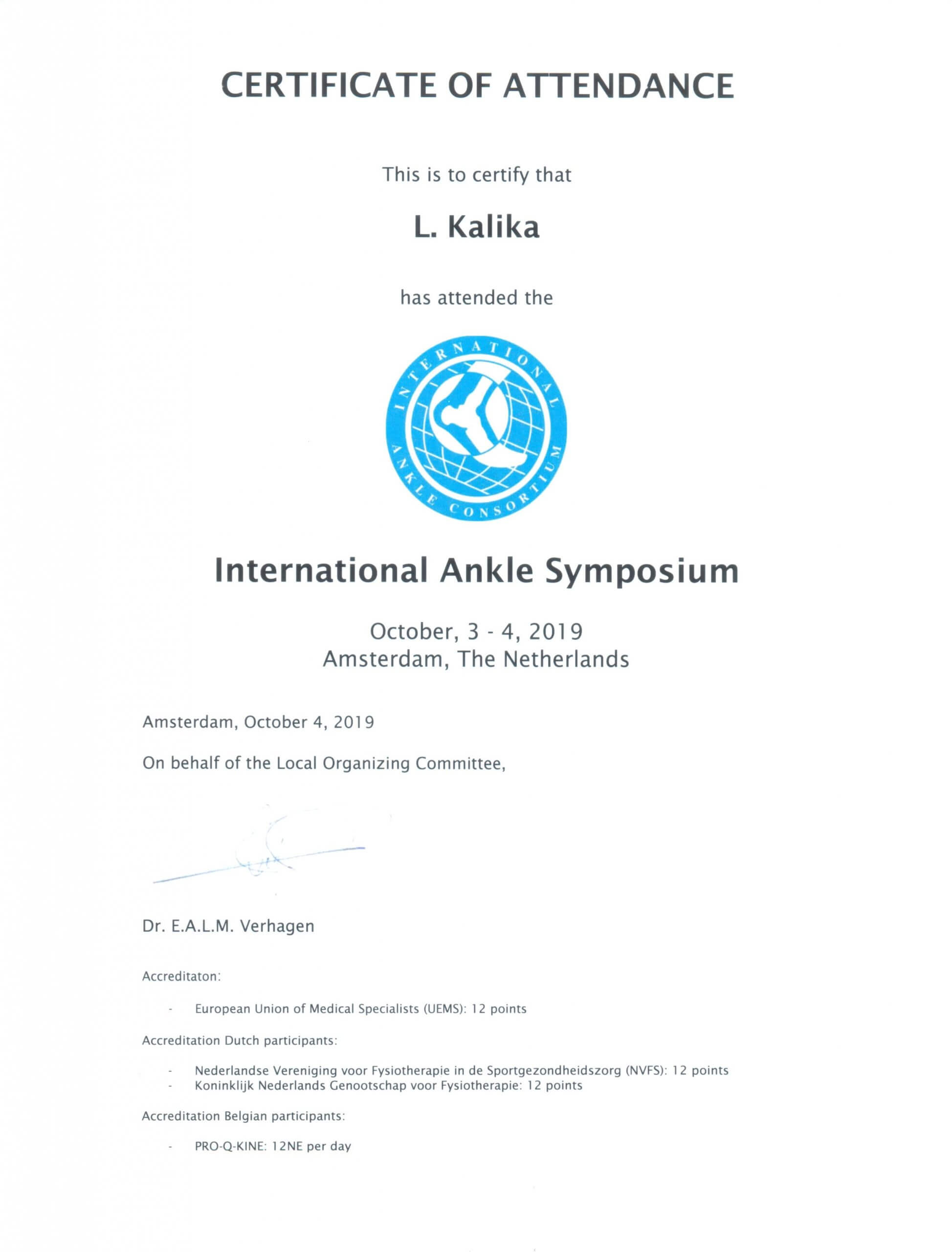
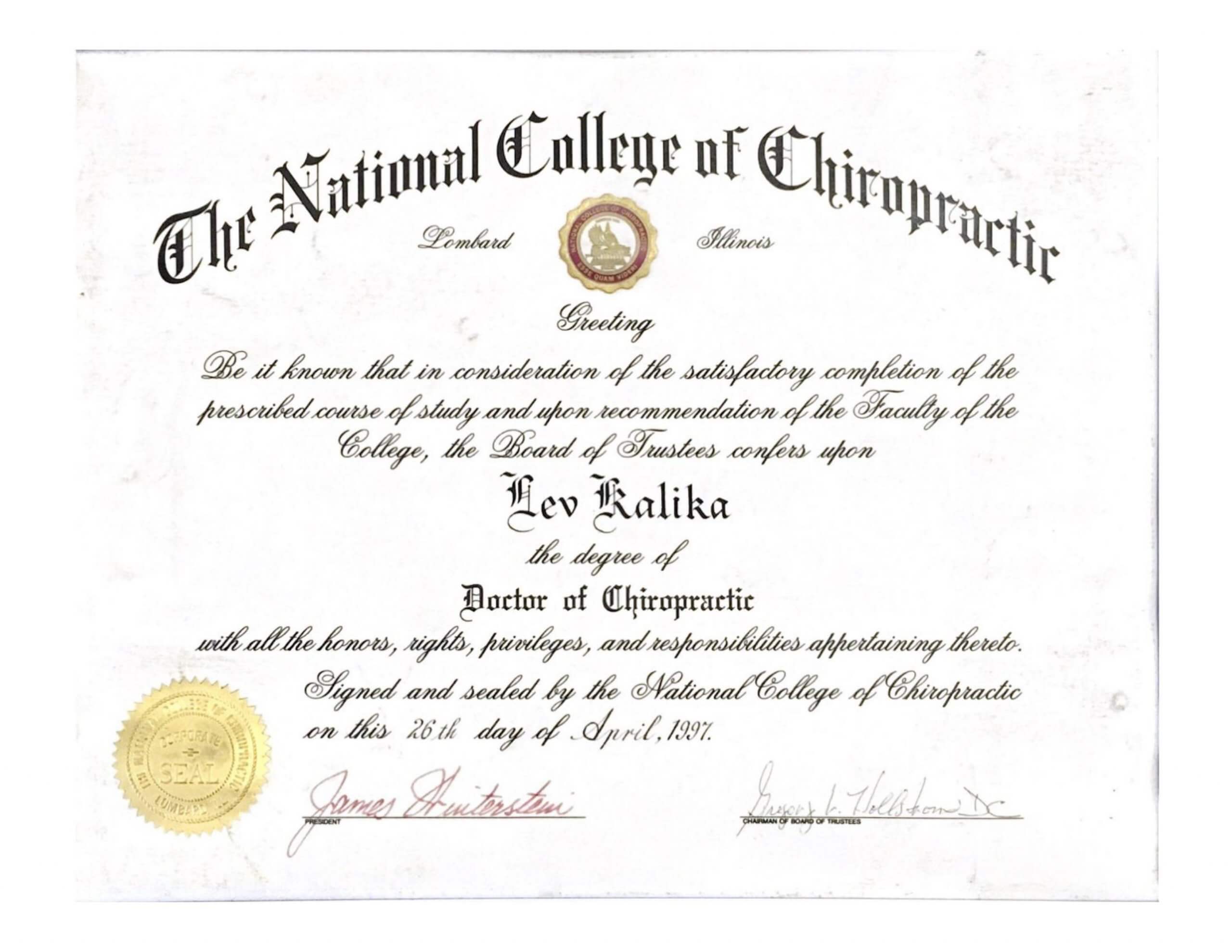

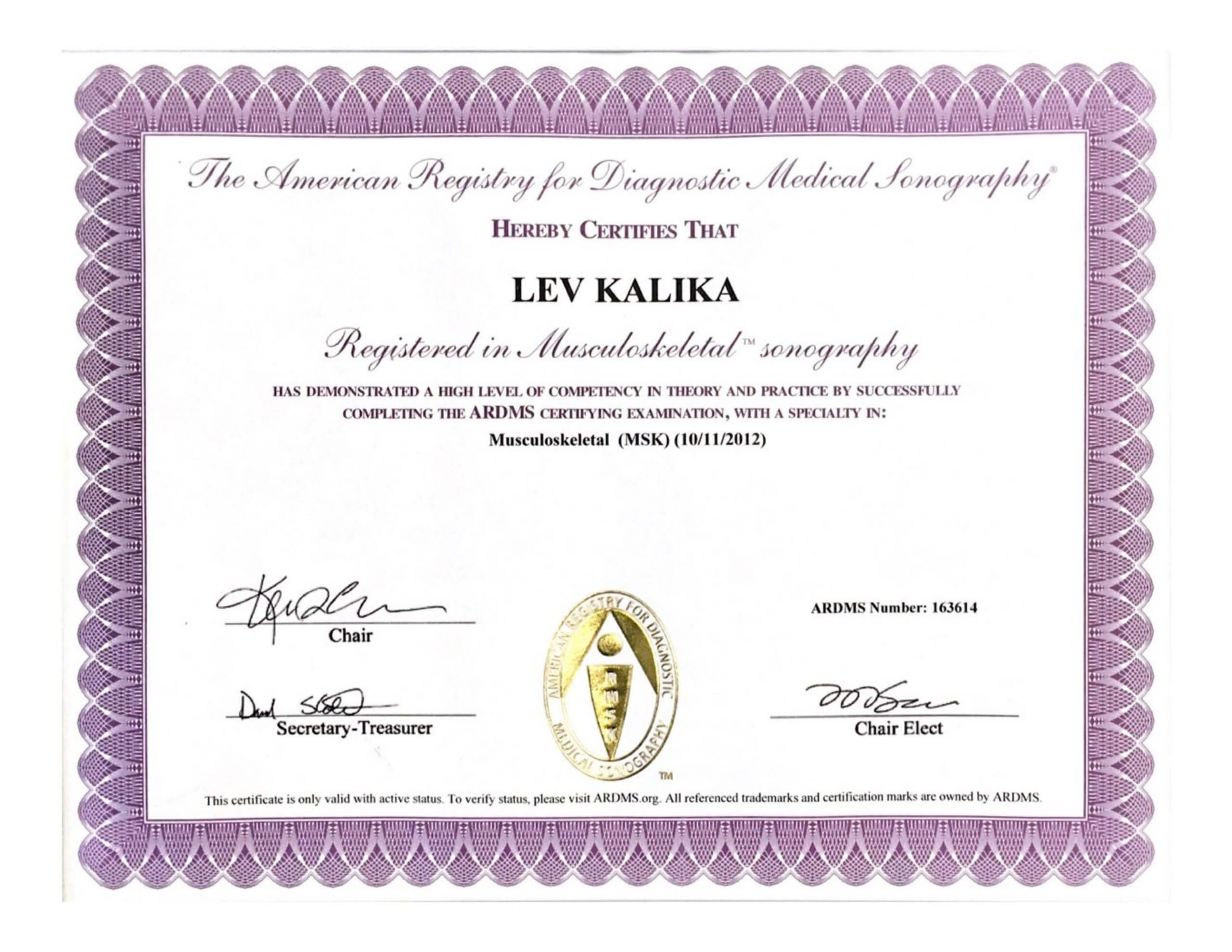


Verified Expert Profiles


Dr. Lev Kalika is a world-recognized expert in musculoskeletal medicine. with 20+ years of clinical experience in diagnostic musculoskeletal ultrasonography, rehabilitative sports medicine and conservative orthopedics. In addition to operating his clinical practice in Manhattan, he regularly publishes peer-reviewed research on ultrasound-guided therapies and procedures. He serves as a peer reviewer for Springer Nature.
Dr. Kalika is an esteemed member of multiple professional organizations, including:

Below is a prime example of how ultrasound can take the guesswork out of diagnosis.

A bad physical therapy experience is one of the primary causes of unnecessary surgery

In this instance, an athlete was originally diagnosed with minor quadriceps muscle strain and was treated for four weeks, with unsatisfactory results. When he came to our clinic, the muscle was not healing, and the patients’ muscle tissue had already begun to atrophy.
Upon examination using MSUS, we discovered that he had a full muscle thickness tear that had been overlooked by his previous provider. To mitigate damage and promote healing, surgery should have been performed immediately after the injury occurred. Because of misdiagnosis and inappropriate treatment, the patient now has permanent damage that cannot be corrected.
The most important advantage of Ultrasound over MRI imaging is its ability to zero in on the symptomatic region and obtain imaging, with active participation and feedback from the patient. Using dynamic MSUS, we can see what happens when patients contract their muscles, something that cannot be done with MRI. From a diagnostic perspective, this interaction is invaluable.
Dynamic ultrasonography examination demonstrating
the full thickness tear and already occurring muscle atrophy
due to misdiagnosis and not referring the patient
to proper diagnostic workup
Demonstration of how very small muscle defect is made and revealed
to be a complete tear with muscle contraction
under diagnostic sonography (not possible with MRI)
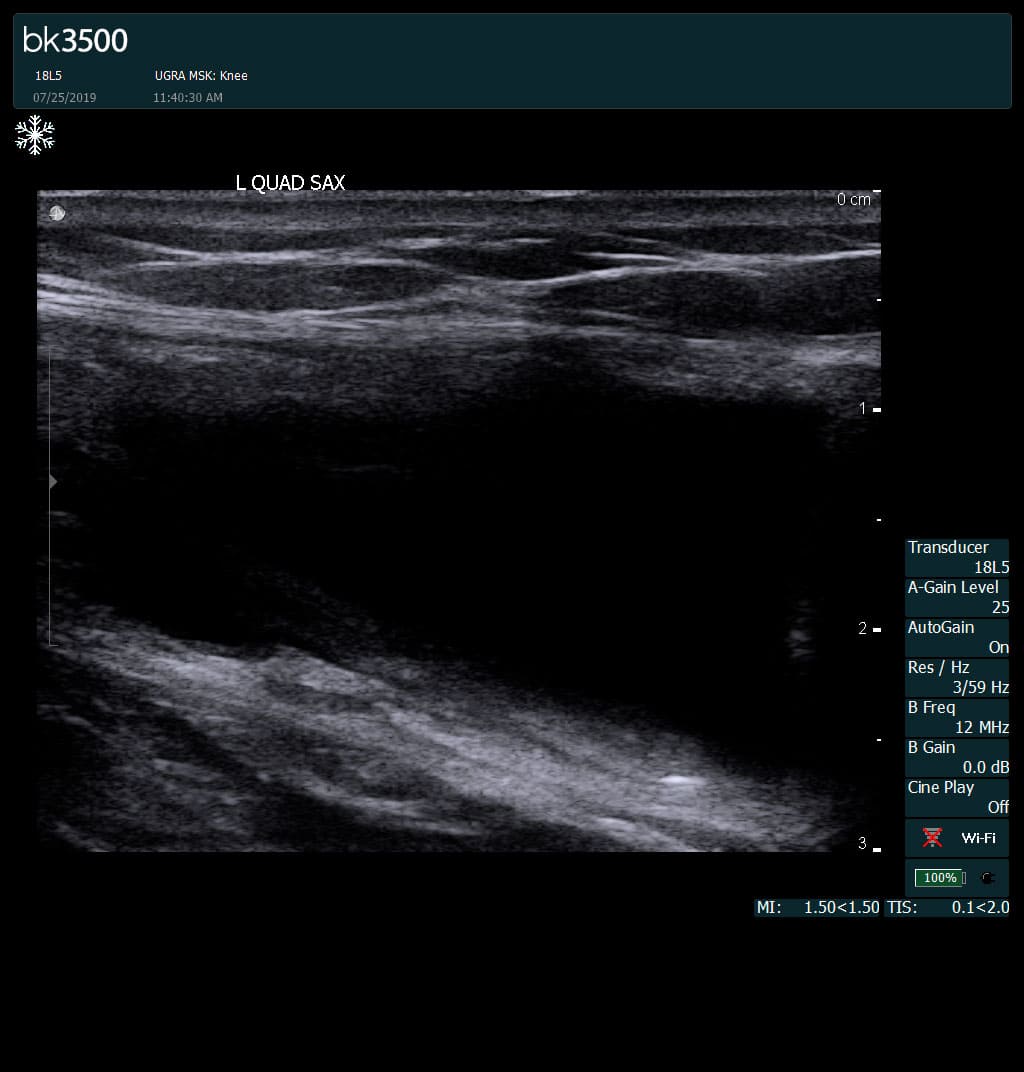
Complete tear of rectus femoris
with large hematoma (blood)
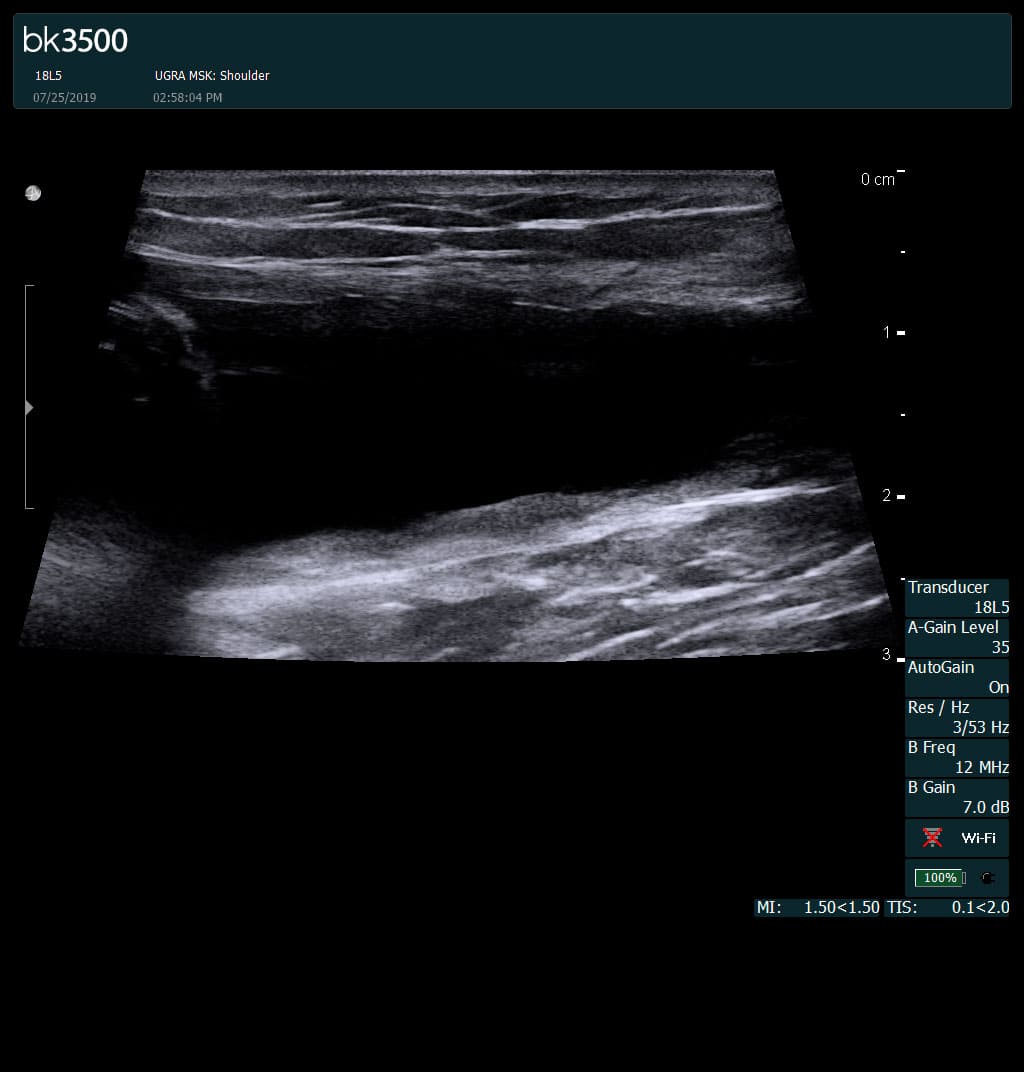
Separation of muscle ends due to tear elicited
on dynamic sonography examination


 Request Telehealth