Our patient is a young adult male reporting severe chest pain after experiencing a tearing sensation during a repetitive chest exercise.
MRI revealed no tissue tearing. Electromyography (EMG) and Nerve Conduction Velocity (NCV) tests were negative. Various factors were causing the condition to worsen, and doctors were unable to arrive at a credible diagnosis.
Our clinical exam revealed left-sided weakness, paresthesia (tingling and numbness), and anxiety-driven guarding of the left chest and shoulder region, affecting posture. Extreme allodynia (hypersensitivity) and guarding made traditional strength testing, thoracic outlet maneuvers, and scapular assessment unreliable.
What we found:
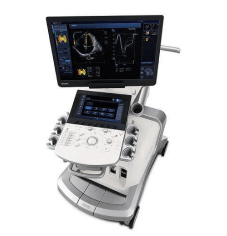
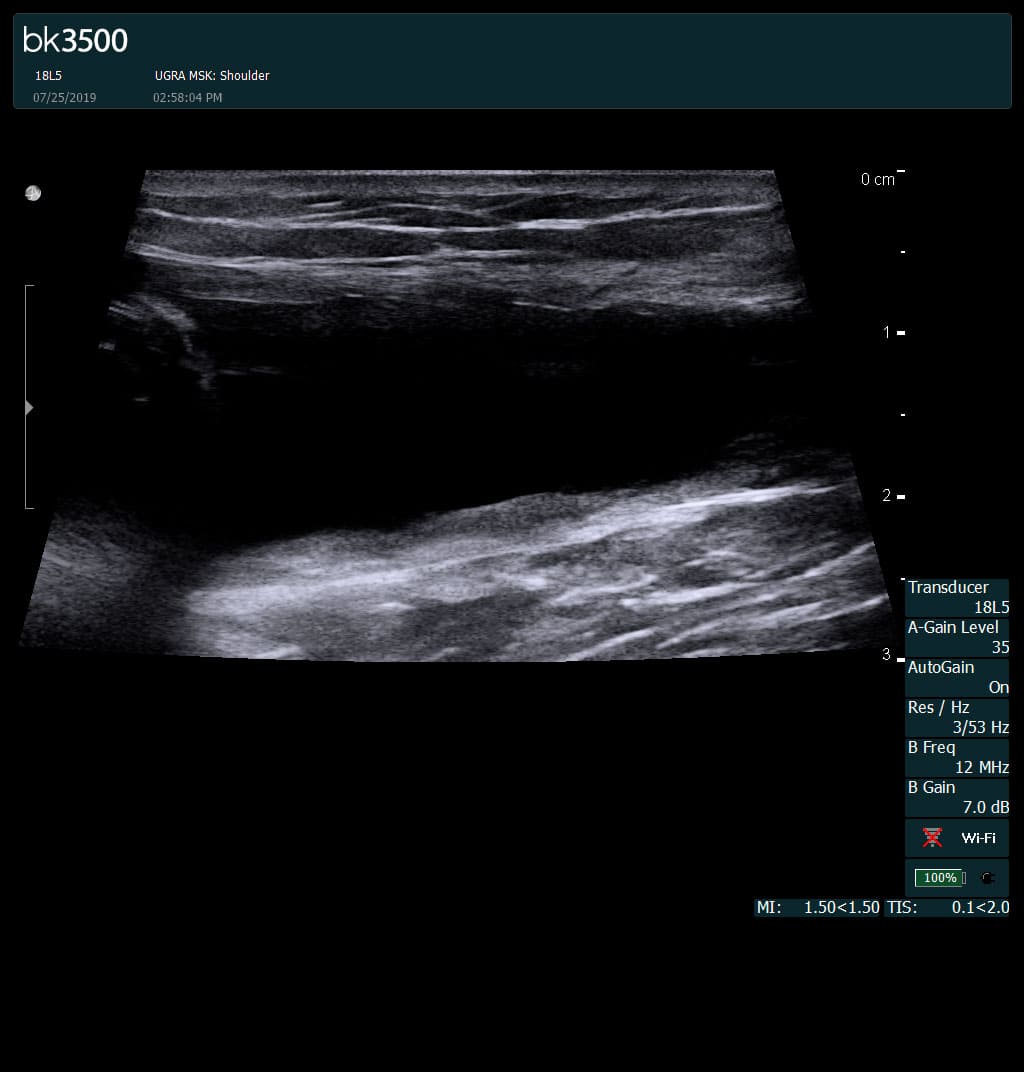
Our exam with high-resolution dynamic ultrasound gave us more insight.
Diagnostic ultrasound key findings:
We concluded that the patient had Pectoralis Minor Syndrome (PMS) – a type of Thoracic Outlet Syndrome (TOS) where the pectoralis minor compresses the nerves and blood vessels of the brachial plexus. The condition was exacerbated by central sensitization, where the nerves become hypersensitive, sending exaggerated pain signals to the brain. We also suspected chronic tethering/compression of the lower brachial plexus (C8–T1), despite a normal EMG.
We mapped out the following assessment/treatment strategy for our patient:
We injected the infraclavicular plexus and performed hydrodissection of the fascial planes where multiple nerves were stranded. After a few injections, pain was relieved enough that we were able to conduct tests to understand what physical therapy was needed to correct the condition. After four months of therapy, the patient is completely pain free.
Chronic chest and shoulder pain does not necessarily indicate a myofascial or fibromyalgia problem. The missing piece is sometimes dynamic neuro-mechanical compression. A normal EMG does not necessarily rule out clinically significant brachial plexus compression, and static imaging can overlook factors that can be instantly seen with dynamic high-resolution ultrasonography.
Pectoralis Minor Syndrome (PMS) and retro-pectoral plexus compression are frequently overlooked when diagnosing chronic chest and shoulder pain. Labeling complex neuro-mechanical pain as “fibromyalgia” without evaluating dynamic nerve–muscle–fascia interactions can lead to mistreatment, delaying meaningful care.
When used early-on, dynamic diagnostic ultrasound can completely change the clinical trajectory, saving the patient from misdiagnosis and ineffective treatment.

Verified Expert Profiles


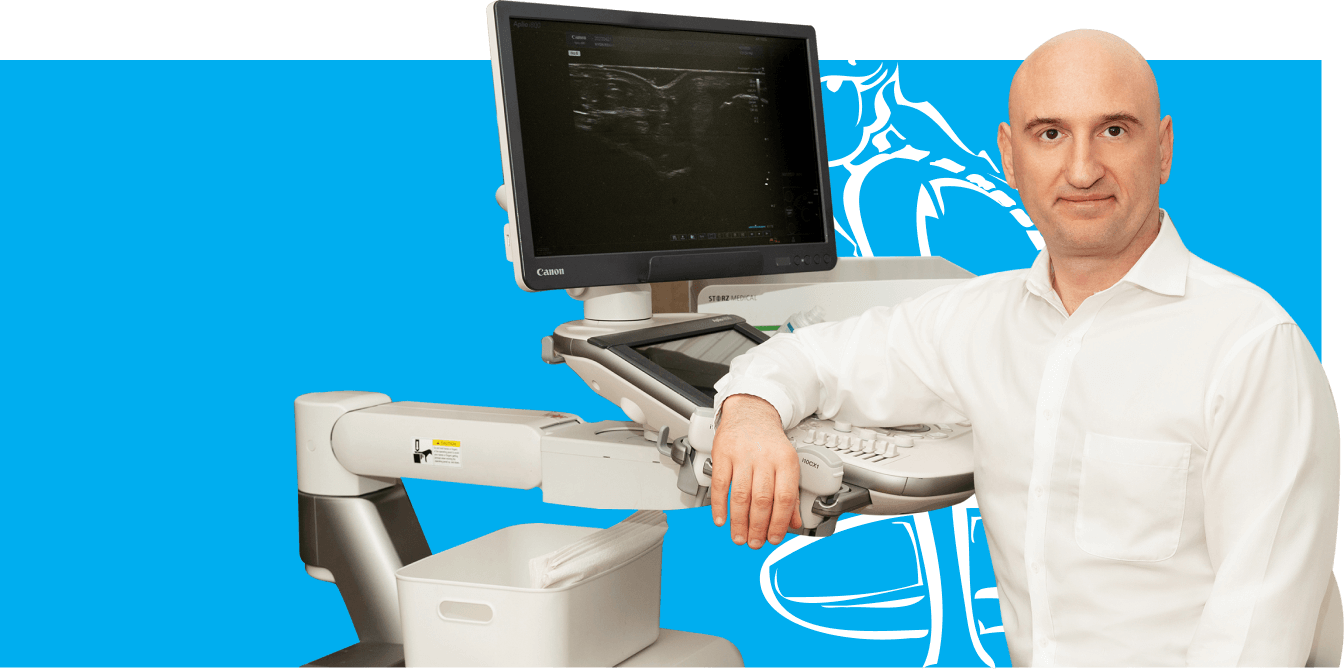
Dr. Lev Kalika is a world-recognized expert in musculoskeletal medicine. with 20+ years of clinical experience in diagnostic musculoskeletal ultrasonography, rehabilitative sports medicine and conservative orthopedics. In addition to operating his clinical practice in Manhattan, he regularly publishes peer-reviewed research on ultrasound-guided therapies and procedures. He serves as a peer reviewer for Springer Nature.
Dr. Kalika is an esteemed member of multiple professional organizations, including:

Below is a prime example of how ultrasound can take the guesswork out of diagnosis.

A bad physical therapy experience is one of the primary causes of unnecessary surgery

In this instance, an athlete was originally diagnosed with minor quadriceps muscle strain and was treated for four weeks, with unsatisfactory results. When he came to our clinic, the muscle was not healing, and the patients’ muscle tissue had already begun to atrophy.
Upon examination using MSUS, we discovered that he had a full muscle thickness tear that had been overlooked by his previous provider. To mitigate damage and promote healing, surgery should have been performed immediately after the injury occurred. Because of misdiagnosis and inappropriate treatment, the patient now has permanent damage that cannot be corrected.
The most important advantage of Ultrasound over MRI imaging is its ability to zero in on the symptomatic region and obtain imaging, with active participation and feedback from the patient. Using dynamic MSUS, we can see what happens when patients contract their muscles, something that cannot be done with MRI. From a diagnostic perspective, this interaction is invaluable.
Dynamic ultrasonography examination demonstrating
the full thickness tear and already occurring muscle atrophy
due to misdiagnosis and not referring the patient
to proper diagnostic workup
Demonstration of how very small muscle defect is made and revealed
to be a complete tear with muscle contraction
under diagnostic sonography (not possible with MRI)
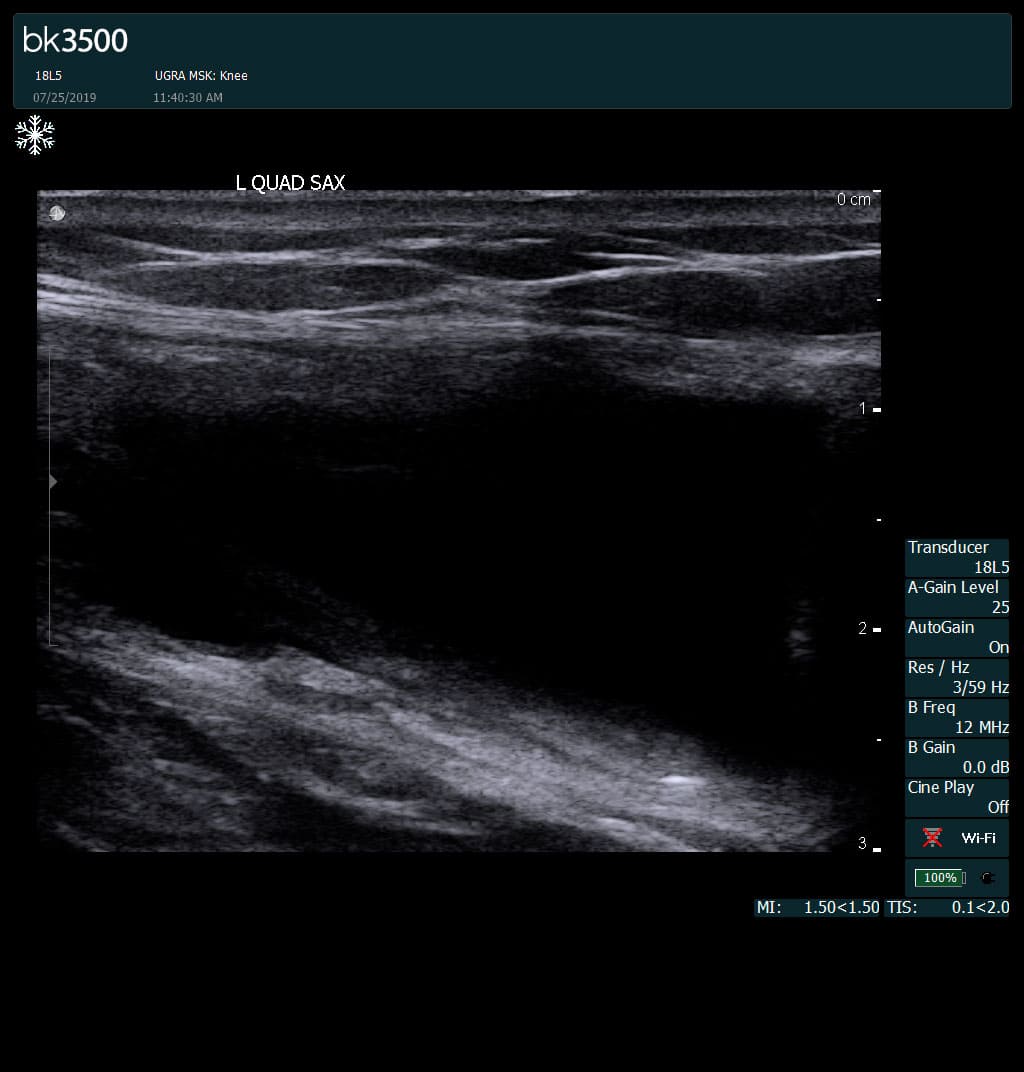
Complete tear of rectus femoris
with large hematoma (blood)
Separation of muscle ends due to tear elicited
on dynamic sonography examination


 Request Telehealth