Our patient is a young, physically active adult male complaining of hip pain, persisting over the course of several months.
The patient had been to several physical therapists, who prescribed exercises based on his reported symptoms. Despite persistent pain, the patient had never been referred for diagnostic imaging. After multiple bouts of ineffective treatment, he finally came to NYDNRehab for help.
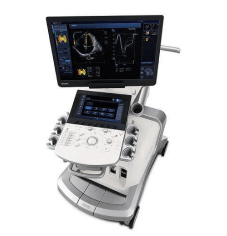
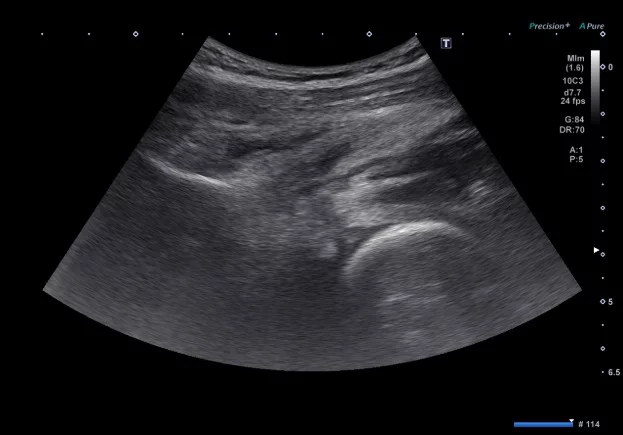
After reviewing the patient’s history and conducting a clinical exam, we used high-resolution diagnostic ultrasound to dynamically view the patient’s hip in real time.
We identified a hip labrum tear as the primary source of the patient’s pain and dysfunction.
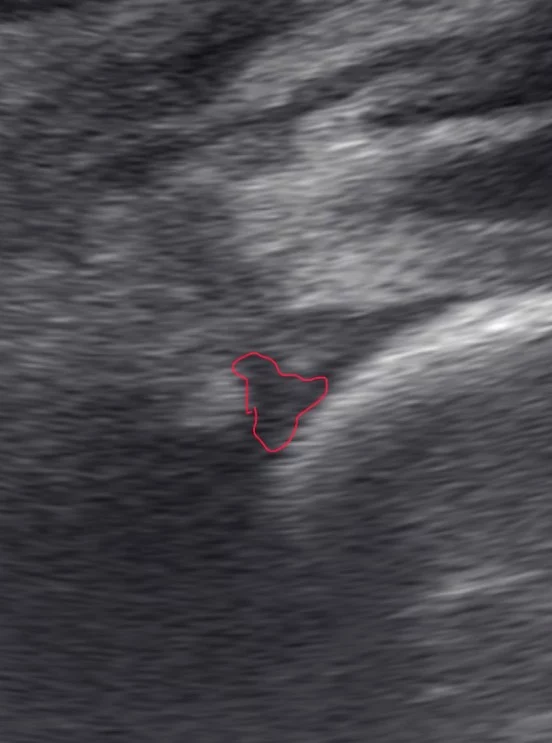
Before beginning physical therapy, we injected the joint with platelet-rich plasma (PRP) and alpha-2-macroglobulin (A2M) under ultrasound guidance. The plasma proteins served to calm the irritated joint and reduce pain symptoms while stimulating healing of the ruptured tissue. Once the patient’s hip was ready to bear loads, we began a customized physical therapy protocol.
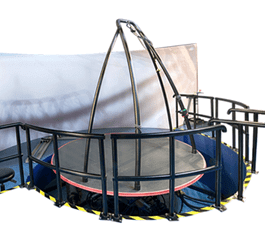
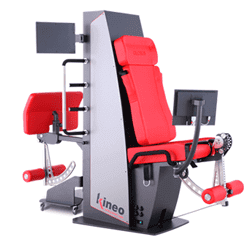
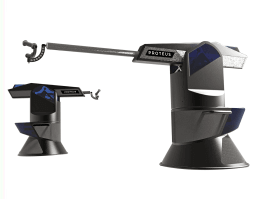
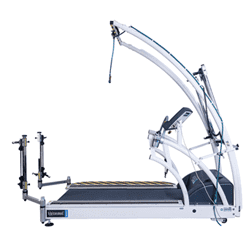
Our personalized physical therapy program included:
Intermittently throughout the physical therapy protocol, we used ultrasound-guided prolotherapy injections to strengthen the capsular ligaments, and to optimize function of the SI joint, which helped to support the damaged labrum. Our end goal was to improve the tensegrity of the core and gluteal muscles, to promote optimal hip stability.
After just 3 months of targeted therapy, the patient was ready to return to playing sports.
According to research, 90% of hip labrum tears can be successfully treated with conservative care. In general, MRI is the imaging modality of choice for hip labral conditions, but in expert hands, dynamic ultrasonography is a credible and sufficient diagnostic tool. In this case, Dr. Kalika’s expertise in interpreting ultrasound images, along with 20+ years of hands-on clinical experience, set the stage for successful diagnosis.
The physical therapy exercises that were initially prescribed for the patient by other therapists had been too advanced for a hip labrum tear. When torn, the hip labrum’s vacuum seal is broken, reducing stability and range of motion. Instead of making the patient’s hip stronger, the prescribed exercises and stretches had aggravated his condition.
To be effective, physical therapy should only begin when damaged tissues have healed sufficiently to accommodate loads. Our personalized strategy included regenerative injections to promote tissue healing, followed by motor training to enhance coordinated movement, and physical therapy exercises to strengthen and stabilize the structures acting at the hip.
Dr. Lev Kalika is a world-recognized expert in musculoskeletal medicine. with 20+ years of clinical experience in diagnostic musculoskeletal ultrasonography, rehabilitative sports medicine and conservative orthopedics. In addition to operating his clinical practice in Manhattan, he regularly publishes peer-reviewed research on ultrasound-guided therapies and procedures. He serves as a peer reviewer for Springer Nature.
Dr. Kalika is an esteemed member of multiple professional organizations, including:

Below is a prime example of how ultrasound can take the guesswork out of diagnosis.

A bad physical therapy experience is one of the primary causes of unnecessary surgery

In this instance, an athlete was originally diagnosed with minor quadriceps muscle strain and was treated for four weeks, with unsatisfactory results. When he came to our clinic, the muscle was not healing, and the patients’ muscle tissue had already begun to atrophy.
Upon examination using MSUS, we discovered that he had a full muscle thickness tear that had been overlooked by his previous provider. To mitigate damage and promote healing, surgery should have been performed immediately after the injury occurred. Because of misdiagnosis and inappropriate treatment, the patient now has permanent damage that cannot be corrected.
The most important advantage of Ultrasound over MRI imaging is its ability to zero in on the symptomatic region and obtain imaging, with active participation and feedback from the patient. Using dynamic MSUS, we can see what happens when patients contract their muscles, something that cannot be done with MRI. From a diagnostic perspective, this interaction is invaluable.
Dynamic ultrasonography examination demonstrating
the full thickness tear and already occurring muscle atrophy
due to misdiagnosis and not referring the patient
to proper diagnostic workup
Demonstration of how very small muscle defect is made and revealed
to be a complete tear with muscle contraction
under diagnostic sonography (not possible with MRI)
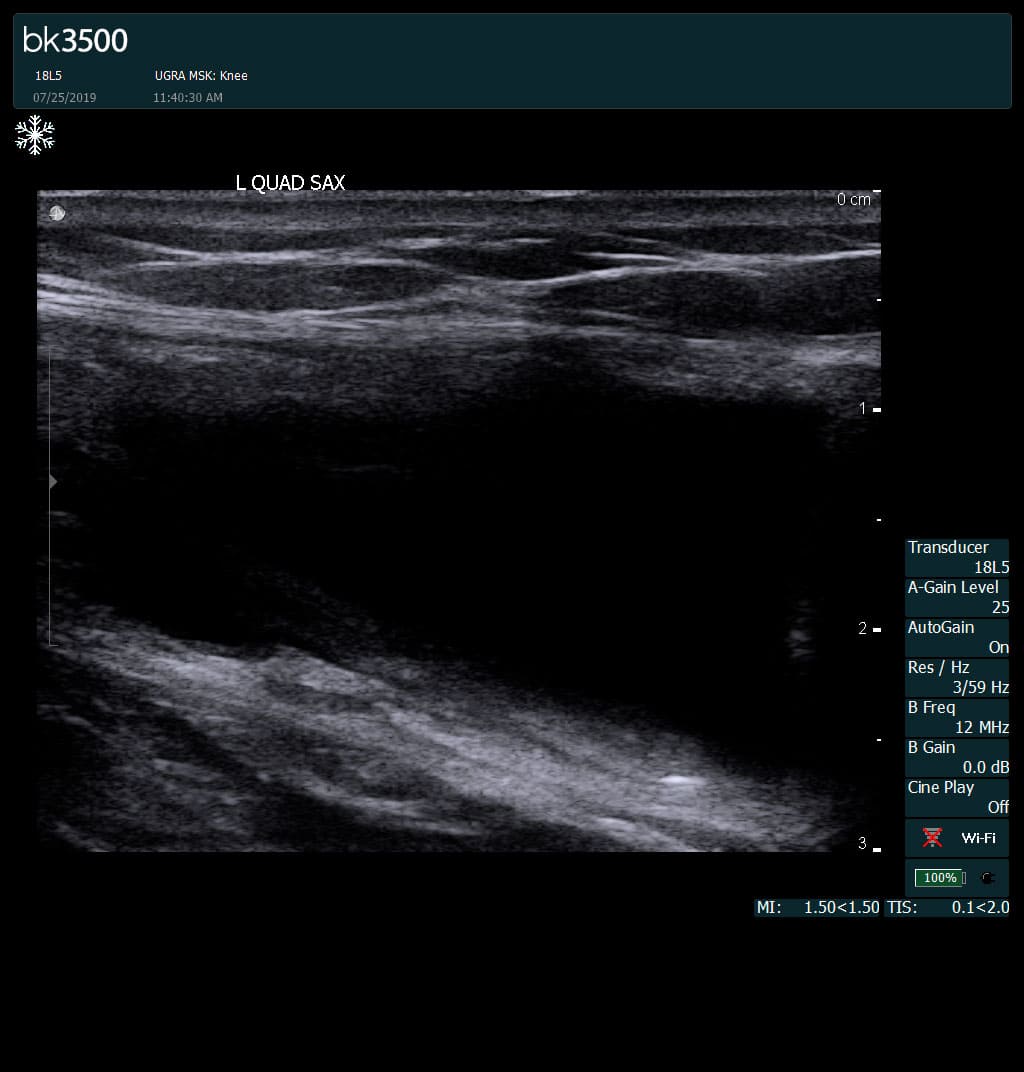
Complete tear of rectus femoris
with large hematoma (blood)
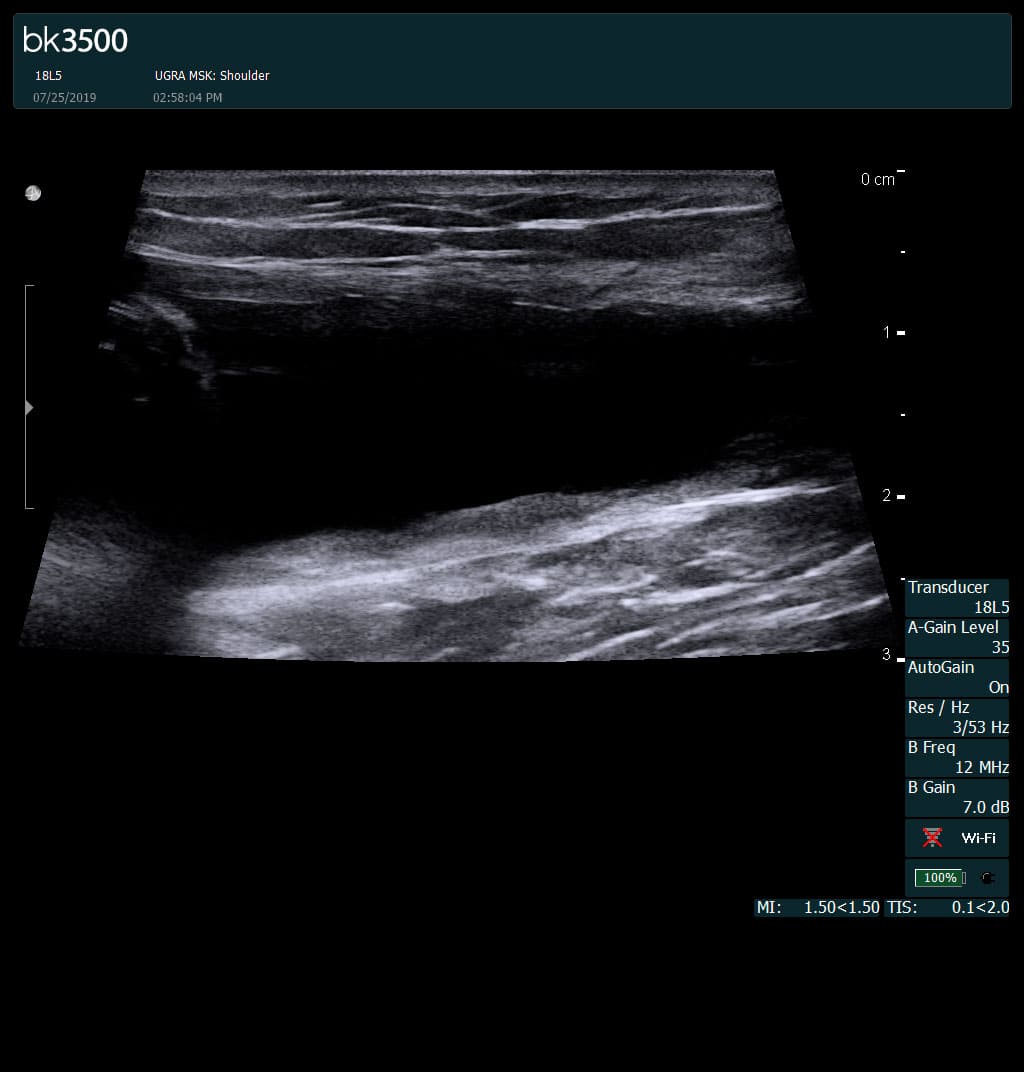
Separation of muscle ends due to tear elicited
on dynamic sonography examination


 Request Telehealth