HomeBlog10 Common (and Totally Debunked) Myths about Lower Back Pain
10 Common (and Totally Debunked) Myths about Lower Back Pain
May 6, 2026
Chronic lower back pain (LBP) is a persistent and debilitating condition that affects adult populations across the world. According to recent data from Statistica, around 620 million people world-wide suffer from chronic lower back pain, with projections that the condition will affect up to 7% of the world population by 2050. In the United States, a 2022 survey of adults found that 28% reported having chronic low back pain, with almost half of those experiencing pain for five years or longer, diminishing their quality of life.
Despite its commonality, medical practitioners are often at a loss for eradicating lower back pain, opting instead to manage pain until surgery becomes a final option. However, evidence suggests that surgery is no more effective than alternative care for non-specific chronic lower back pain, and carries much higher health risks, with no guarantee of success.
Learn about common lower back pain myths, peer-reviewed research that debunks them, and new advanced therapies that go beyond symptoms management to completely eliminating low back pain at its source.
Common LBP Myths and Facts
Myth #1: Surgery is always the best first option for eliminating chronic pain.
Fact: Pain does not always indicate structural damage. In many cases, back pain is non-specific, meaning it has no immediately apparent structural cause involving the spine itself. Imaging modalities like X-ray or MRI often deliver normal scans in people with severe low back pain, while those whose imaging reveals structural damage like a herniated or degenerative disc may feel no pain at all.
Multiple non-structural factors can be involved in low back pain, including:
Systemic inflammation
Chronic mental stress
Poor sleep habits
Hypersensitized nerves
However, there are often structural or mechanical issues not directly located at the spine that can contribute to low back pain.
These include:
Fascial restrictions and adhesions
Sacroiliac joint (SIJ) dysfunction
Muscle strain from lifting
Hip flexor tightness
Nerve compression or entrapment
Poor posture
Gait mechanical deficits
Obesity
Sedentary lifestyle
Myth #1:
Surgery is always the best first option for eliminating chronic pain.
FACT:
Imaging vs. Reality
Scans often show “damage” in people with no pain, while those with severe pain may have normal results. Structural changes are often just natural signs of aging.
The 90% Rule
80-90% of cases are non-specific, driven by a mix of biological, psychological, and social factors like stress, inflammation, and poor sleep.
Beyond the Spine
Pain is frequently triggered by issues outside the spine, such as hip flexor tightness, SIJ dysfunction, or gait mechanics, rather than vertebral damage.
According to a 2022 article published in the New England Journal of Medicine, between 80-90 percent of low back pain cases are nonspecific in nature, and are associated with the interaction of biologic, psychological, and social factors. Low back pain rarely indicates a serious disease, and conditions like cancer or infection are rare.
Myth #2: The lower spine is fragile and should always be protected from mechanical stress.
Fact: The spinal column is a strong, adaptable structure designed to move freely and assist in load transfer. The fact that the spine houses the nerve roots that transmit signals between the body and the brain often causes concern among people who fear potential paralysis. But the spinal structures adapt to mechanical stress by becoming stronger, and avoidance of normal load-bearning activities can actually weaken the spine and increase your risk of injury.
According to the Spine Health Foundation, the spine is uniquely structured to support your body weight while standing, and to provide dynamic stability during physical activities.
Structures that protect, support and stabilize the spine include:
Vertebrae – the bones that make up the spine. The vertebrae stack on top of each other, separated by spongy discs, forming a hollow tube that protects the spinal canal.
Discs – soft, gel-like structures that separate the vertebrae and provide shock absorption and flexibility.
Spinal cord – the tubular bundle of nerves that descends from the brain, traveling down the vertebral column. The spinal cord is protected by cerebrospinal fluid in the spinal canal, and protected by bone and strong ligaments. The nerve roots exit the spinal cord at strategic places, to innervate peripheral structures.
Facet joints – these small joints connect the vertebrae to one another and allow for spinal mobility and stability.
Ligaments and fascia – the spinal column is protected and supported by tough, fibrous bands of connective tissue.
Myth #2:
The lower spine is fragile and should always be protected from mechanical stress.
FACT:
Built for Strength
The spine is robust and built for load-bearing. While inactivity weakens it, regular movement makes spinal tissues stronger and more resilient.
Dynamic Stability
Vertebrae and discs combine flexibility with shock absorption. This unique structure supports body weight while maintaining stability during movement.
Multi-Layer Protection
The spinal cord is heavily guarded by bone, fluid, and ligaments. This secure housing allows nerve roots to move freely and safely during activity.
Myth #3: MRI is the best way to identify the primary cause of lower back pain.
Fact: Static imaging like MRI is generally not recommended for nonspecific low back pain, especially in the first few weeks. This often does not sit well with patients suffering from chronic low back pain who want to find a solution. When imaging comes back negative, it can lead to over-treatment as doctors attempt to placate the patient.
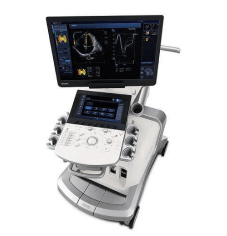
By contrast, when operated by an experienced integrative clinician, dynamic high-resolution ultrasonography is often able to shed light on the causes of low back pain that are not directly related to the spinal column itself. Factors like fascial dysfunction, myofascial trigger points, nerve entrapment, and SIJ dysfunction can all be detected with diagnostic ultrasound that renders dynamic images in real time.
In a 2023 study, ultrasound imaging of the thoracolumbar fascia (TLF) revealed a significant link between TLF density and low back pain and stiffness. Fascial density is a key indicator of fascial dysfunction, where the tissue becomes dense and sticky, inhibiting frictionless gliding and often entrapping nerves and blood vessels.
Myth #3:
MRI is the best way to identify the primary cause of lower back pain.
FACT:
The Limits of MRI
Static imaging like MRI often fails to find the cause of non-specific pain. Negative results can lead to over-treatment as clinicians search for a structural “fix” that isn’t there.
Dynamic Visualization
Dynamic ultrasound captures the body in motion, revealing real-time causes of pain, like nerve entrapment and SIJ dysfunction that are invisible on static MRI scans.
Fascial Health Matters
High fascia density drives stiffness and pain. Diagnostic ultrasound detects “sticky” tissue and dysfunction that inhibits gliding and entraps nerves or blood vessels.
Myth #4: Lower back pain and stiffness is a normal part of aging.
Fact: While spinal pain and stiffness is a common characteristic among many older adults, it is not an inevitable consequence of aging. Lifestyle behaviors play a key role in spinal health at any age, and active older adults often experience no significant back pain. Factors like obesity, sedentary lifestyle, metabolic disorders, and poor diet can profoundly affect spinal health.
A 2022 review on skeletal aging published by Mayo Clinic points to several factors related to spinal health, including:
Genetics
Sex steroid levels (particularly estrogen) in both men and women
Nutrition
Physical activity levels
Vitamin D status
Myth #4:
Lower back pain and stiffness is a normal part of aging.
FACT:
Not an Inevitable Path
Back pain is not an inevitable part of aging. Active older adults often live pain-free, proving that lifestyle matters more than age itself.
Lifestyle Over Longevity
Spinal health is profoundly shaped by behavior. Obesity, a sedentary lifestyle, and poor diet accelerate “wear and tear” much faster than the natural aging process itself.
Biological Foundation
Maintaining spinal health at any age depends on key biological factors: physical activity levels, proper nutrition, Vitamin D status, and healthy hormone levels.
Myth #5: Bed rest is the most effective way to eliminate lower back pain.
Fact: In cases of chronic low back pain, bed rest can actually weaken the spine’s supporting structures and slow the healing process. New research indicates that exercise reduces pain at the earliest follow-up after the initial consultation, compared with no exercise at all. Exercise has been shown to improve spinal function, both at the end of treatment and in the long run, and to reduce workplace disability. Short bouts of rest may help with occasional flare-ups, but physical activity typically accelerates recovery in the long term.
Myth #5:
Bed rest is the most effective way to eliminate lower back pain.
FACT:
Rest Can Weaken
Prolonged bed rest weakens spinal support and slows healing. While brief rest may help acute flare-ups, long-term inactivity actually delays recovery.
Movement as Medicine
Early exercise reduces pain more effectively than rest. Physical activity speeds up recovery and improves spinal function both immediately and in the long run.
Functional Recovery
Exercise is proven to reduce disability and restore daily function. Staying active is the most effective way to maintain long-term spinal health and prevent future episodes.
Myth #6: Exercise should be completely avoided if you have lower back pain.
Fact: Regular exercise like walking, swimming, stretching, and targeted resistance training can help to prevent and manage back pain by improving strength, flexibility, and endurance. By contrast, avoiding physical activity can lead to degeneration of the structures that support and protect the spine, causing pain and reduced mobility.
A 2022 meta-analysis published in the Journal of Orthopaedic & Sports Physical Therapy concluded that most exercise interventions were beneficial for managing pain and disability in chronic LBP. They found that the most beneficial exercise regimens included core-based exercises and strength training.
Myth #6:
Exercise should be completely avoided if you have lower back pain.
FACT:
Prevention Through Motion
Walking, swimming, and stretching help prevent and manage pain. Movement builds the strength and endurance necessary to protect and support your spine.
The Risk of Inactivity
Avoiding activity leads to degeneration of spinal structures. Inactivity weakens your support system, resulting in increased pain and stiff mobility.
Power of Strength Training
Research confirms that core and strength training are most effective for chronic pain. These exercises restore function and significantly reduce long-term disability.
Myth #7: Lower back pain is always caused by a herniated disc or disc degeneration.
Fact: While a herniated disc or disc degeneration are common causes of low back pain, specific low back pain more frequently stems from muscle or ligament strains, poor posture, facet joint issues, or spinal stenosis, all of which can cause compression of the nerve root. In more cases than not, chronic low back pain is non-specific, and does not stem from the discs themselves.
According to PainTeq, multiple non-spine-related issues can cause low back pain, such as:
Sacroiliac Joint (SIJ) dysfunction, where the motion of the SIJ is altered, causing either from too much or too little movement. This can cause lower back pain, along with symptoms like difficulty standing or walking.
Fibromyalgia, a condition whose symptoms include hypersensitized pain and tenderness throughout the body, including the lower back.
Piriformis Syndrome, a condition where the piriformis muscle becomes tight or spasms, compressing the sciatic nerve and causing lower back pain.
Iliopsoas tendonitis, where the tendon that attaches the iliopsoas muscle to the hip becomes inflamed, causing pain in the lower back and hip.
Myth #7:
Lower back pain is always caused by a herniated disc or disc degeneration.
FACT:
Beyond Disc Damage
Discs are rarely the only cause of pain. Most chronic cases stem from muscle strains, ligament issues, or joint dysfunction rather than structural disc damage.
Hidden Non-Spine Causes
Pain often starts outside the spine. Issues like SIJ dysfunction, Piriformis syndrome, and hip tendonitis frequently mimic back pain through referred signals.
Systemic Sensitivity
Chronic pain can be a systemic issue. Conditions like Fibromyalgia hypersensitize the nervous system, causing back pain even when the spinal structure is healthy.
Myth #8: Poor lifting technique is the most common cause of lower back pain.
Fact: Improper lifting technique is a common cause of acute lower back pain, and it can become chronic if you continue to lift heavy loads with poor form. Poor posture, sedentary lifestyle, and obesity are likely to play a role, and can cause low back pain even when no heavy lifting is involved.
If you are a recreational weight-lifter, or your occupation requires heavy lifting, learning proper technique is critical to avoiding injury. Technique involves a whole-body approach that engages the core muscles and lower extremities, shifting loads away from the spinal structures themselves, and onto the musculature that is designed to bear loads and protect the spine.
One study found that during freestyle lifting tasks, people with LBP tend to move more slowly, with greater stiffness and a deeper knee bend than pain-free lifters, indicating more cautious movement, in an attempt to protect the back. The researchers suggested that adopting a lifting style more similar to that of pain-free lifters could potentially help reduce LBP.
Myth #8:
Poor lifting technique is the most common cause of lower back pain.
FACT:
Beyond the Lift
Lifting isn’t the only culprit. Factors like a sedentary lifestyle and obesity often play a larger role in back pain than a single “bad” lift.
Whole-Body Engagement
Safe lifting is a whole-body process. Engaging your core and legs shifts mechanical stress away from the spine and onto the muscles built for load-bearing.
The Trap of Over-Protection
Moving too cautiously or with excessive stiffness can actually sustain pain. Adopting more natural, fluid movement patterns is key to long-term recovery.
Myth #9: Core strengthening exercises are the best way to prevent lower back pain.
Fact: A strong core does help to protect the lower back, but core strength alone may not be enough to prevent LBP. Muscle endurance, overall movement patterns, and posture can all have a profound impact on the lower back. Over-focusing on core training to the neglect of whole-body conditioning will not necessarily prevent lower back pain.
A recent article published in the New York Times emphasizes the importance of daily movement that includes walking, core exercises like planks, and whole-body exercises like pushups and bridges. The key takeaway is that staying physically active on a daily basis is the best way to avoid chronic lower back pain.
Myth #9:
Core strengthening exercises are the best way to prevent lower back pain.
FACT:
Beyond Core Strength
Core strength alone isn’t enough. Muscle endurance and healthy movement patterns are more critical for a pain-free spine than abdominal strength alone.
Whole-Body Conditioning
Whole-body conditioning is key. Neglecting the rest of the body to focus only on the core is ineffective; true stability requires integrated, full-body motion.
The Power of Daily Motion
Daily activity is the best preventative. Consistent movement, like walking and functional exercises, is the most effective way to stay resilient and avoid chronic pain.
Fact: Most cases of lower back pain, including disc issues and sciatica, will self-resolve over time. Conservative interventions like physical therapy, shockwave therapy, myofascial release, and dry needling can help to relieve pain and expedite recovery. Surgery is rarely called for, and is reserved for cases involving severe, persistent symptoms or neurological deficits.
In a recent narrative review, researchers noted that spinal surgery for chronic LBP is becoming increasingly common, despite a lack of clinical data support. They recommend that chronic LBP should be managed conservatively, via a holistic approach that addresses LBP from a biopsychosocial perspective.
Myth #10:
Surgery is the fastest and most effective way to eliminate lower back pain.
FACT:
Natural Recovery
The body is built to heal. Most cases, including sciatica, self-resolve over time without invasive intervention, especially when supported by movement.
Conservative First
Surgery is rarely the answer. Conservative care like physical therapy and myofascial release effectively expedites recovery without the risks of spinal surgery.
The Holistic Approach
Focus on the big picture. A biopsychosocial approach addresses the root causes of pain more effectively than surgery, which often lacks clinical support for chronic LBP.
Advanced Integrative Treatment for Lower Back Pain
To manage lower back pain, medical doctors rely on conventional therapies like ice/heat, NSAID medications, pain reliever drugs, and physical therapy. When pain persists and the condition does not respond to conservative care, surgery may be recommended as a last resort. But in the case of non-specific chronic low back pain, where there is no identifiable mechanical cause, surgery is unlikely to resolve the issue, and relief may be temporary at best.
By contrast, integrative practitioners use a holistic approach to low back pain. They treat the whole patient, not just your symptoms, looking beyond the spinal structures themselves to find the root cause of your pain.
Common non-spinal causes of LBP include:
Fascial dysfunction
Pregnancy
Piriformis syndrome
Chronic mental stress
SIJ dysfunction
Muscle imbalances (too tight or too weak)
Poor posture
Physical inactivity
Obesity
Excessive sitting
Alternative treatment methods seek to not only manage pain, but to correct its source, with the goal of restoring long-term, pain-free functional mobility.
Alternative therapies for low back pain include:

Prolotherapy – a minimally invasive therapy where a neutral solution is injected into damaged ligaments, tendons or joints to trigger an immune response. The immune system then delivers stem cells and growth factors to the treatment site, to stimulate cellular repair, reduce inflammation, and suppress pain. Prolotherapy provides significant pain reduction compared to placebo or physical therapy alone – especially for non-specific back pain.
Extracorporeal shockwave therapy (ESWT) is a non-invasive approach that delivers high-energy acoustic waves to targeted tissues. The waves induce mechanotransduction, converting mechanical energy into biochemical signals that promote cellular repair.
Interfascial plane and nerve hydrodissection is an ultrasound-guided procedure where a saline solution is injected into densified fascial layers, separating the layers and releasing entrapped nerves and blood vessels.
Ultrasound guided dry needling uses filament-thin needles, inserted into myofascial trigger points – tight nodules of hypercontracted fibers that cause pain and interfere with muscle action. The needle triggers a twitch response that causes the fibers to relax, immediately relieving pain.
Prolotherapy
Uses growth factors to trigger natural tissue repair, reducing inflammation and providing superior relief for non-specific back pain.
Extracorporeal shockwave therapy (ESWT)
Delivers acoustic waves that trigger mechanotransduction, converting mechanical energy into signals for rapid cellular repair.
Interfascial plane and nerve hydrodissection
An ultrasound-guided saline injection that separates sticky fascia layers to release entrapped nerves and blood vessels.
Ultrasound guided dry needling
Uses thin needles to relax hypercontracted trigger points. By triggering a twitch response, it immediately relieves pain and restores normal muscle action.
Stecco fascial manipulation, an evidence-based manual technique that targets dysfunctional fascial layers, helping to restore their mechanical properties of elasticity and gliding.
Posture correction training, to restore optimal joint and spinal alignment, taking pressure off of discs and nerves.
Targeted physical therapy, to promote spinal mobility and stability, restore muscle balance, and promote strength and stability
Dynamic neuromuscular stabilization (DNS), to restore the body’s innate developmental movement patterns.
Stecco fascial manipulation
An evidence-based manual technique that targets dysfunctional fascial layers, helping to restore their mechanical properties of elasticity and gliding.
Posture correction training
To restore optimal joint and spinal alignment, taking pressure off of discs and nerves.
Targeted physical therapy
To promote spinal mobility and stability, restore muscle balance, and promote strength and stability
Dynamic neuromuscular stabilization (DNS)
To restore the body’s innate developmental movement patterns.
Holistic practitioners typically steer clear of medications with harmful side effects, opting instead for methods that tap into the body’s own natural healing mechanisms. Rather than just addressing symptoms, the end goal of integrative medicine is to restore pain-free functional mobility.
Get Fast and Effective Low Back Pain Relief in NYC
Low back pain can be severely debilitating, limiting your daily activities and diminishing your quality of life. Patients suffering from chronic non-specific low back pain often go from doctor to doctor, failing to find a lasting solution for pain relief. When all else fails, surgery may be attempted as a last resort, but often fails to resolve the condition.
At NYDNRehab, we treat the whole patient, not just your symptoms. Our advanced technologies and cutting-edge therapies have helped scores of patients to find fast and lasting lower back pain relief. Don’t settle for pain management that fails to resolve your low back pain. Contact NYDNRehab today, and get long-term relief so you can get back to your active and productive life.
Get Fast and Effective Low Back Pain Relief in NYCcontact NYDNRehab today
Chiarotto, Alessandro, and Bart W. Koes. “Nonspecific low back pain.” New England Journal of Medicine 386.18 (2022): 1732-1740. [PDF] eur.nl
Evans, Lachlan, et al. “The role of spinal surgery in the treatment of low back pain.” Medical Journal of Australia 218.1 (2023). [PDF] mja.com.au
Fernández-Rodríguez, Rubén, et al. “Best exercise options for reducing pain and disability in adults with chronic low back pain: Pilates, strength, core-based, and mind-body. A network meta-analysis.” Journal of orthopaedic & sports physical therapy 52.8 (2022): 505-521.
Nolan, David, et al. “Are there differences in lifting technique between those with and without low back pain? A systematic review.” Scandinavian journal of pain 20.2 (2020): 215-227.
Pirri, Carmelo, et al. “Ultrasound imaging of thoracolumbar fascia thickness: chronic non-specific lower back pain versus healthy subjects; a sign of a “frozen back”?.” Diagnostics 13.8 (2023): 1436. [HTML] mdpi.com
Roren, Alexandra, et al. “Physical activity and low back pain: A critical narrative review.” Annals of physical and rehabilitation medicine 66.2 (2023): 101650. [PDF] sciencedirect.com
Sfeir, Jad G., et al. “Skeletal aging.” Mayo Clinic Proceedings. Vol. 97. No. 6. Elsevier, 2022. [PDF] mayoclinicproceedings.org
Verified Expert Profiles
About the Author
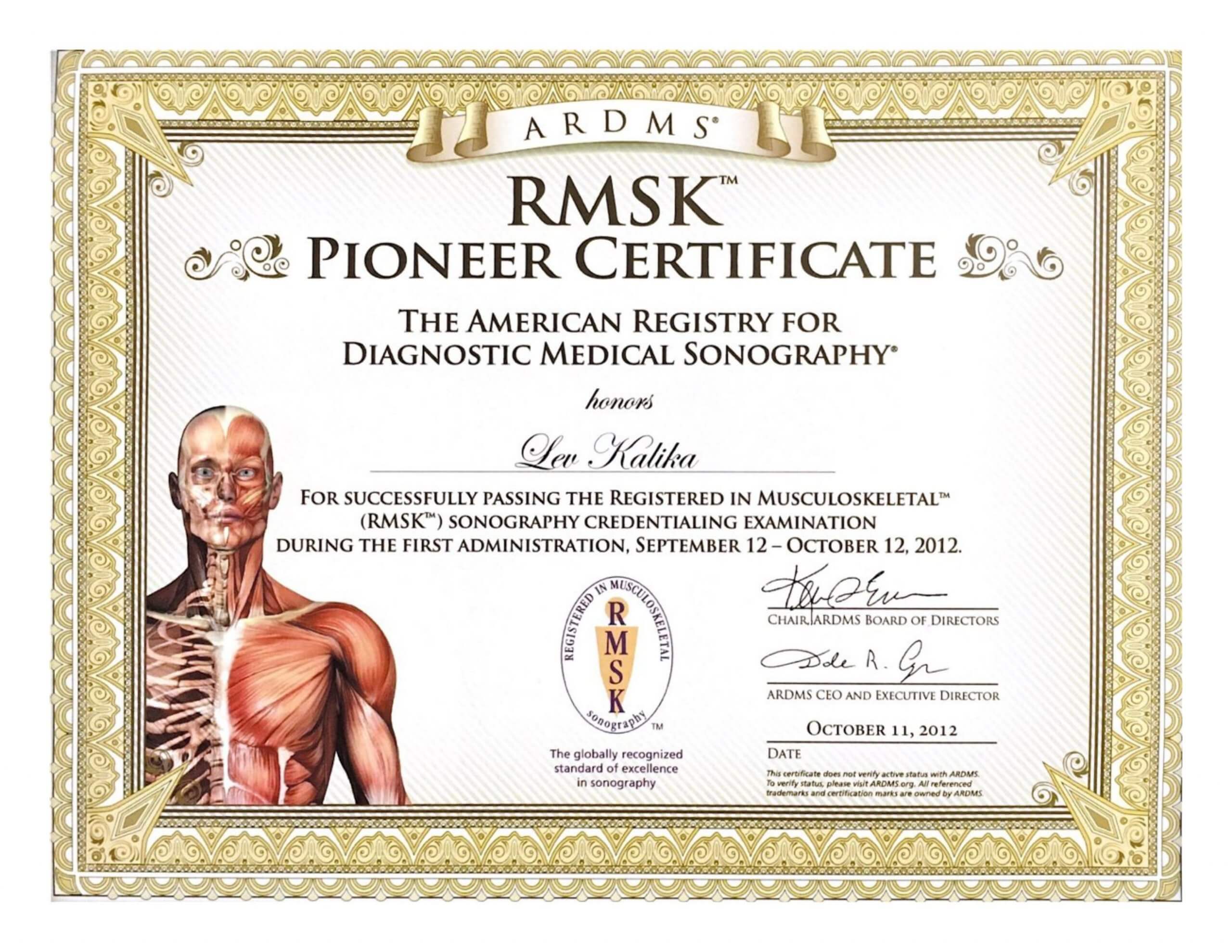
Dr. Lev Kalika is a world-recognized expert in musculoskeletal medicine. with 20+ years of clinical experience in diagnostic musculoskeletal ultrasonography, rehabilitative sports medicine and conservative orthopedics. In addition to operating his clinical practice in Manhattan, he regularly publishes peer-reviewed research on ultrasound-guided therapies and procedures. He serves as a peer reviewer for Springer Nature.
Dr. Kalika is an esteemed member of multiple professional organizations, including:
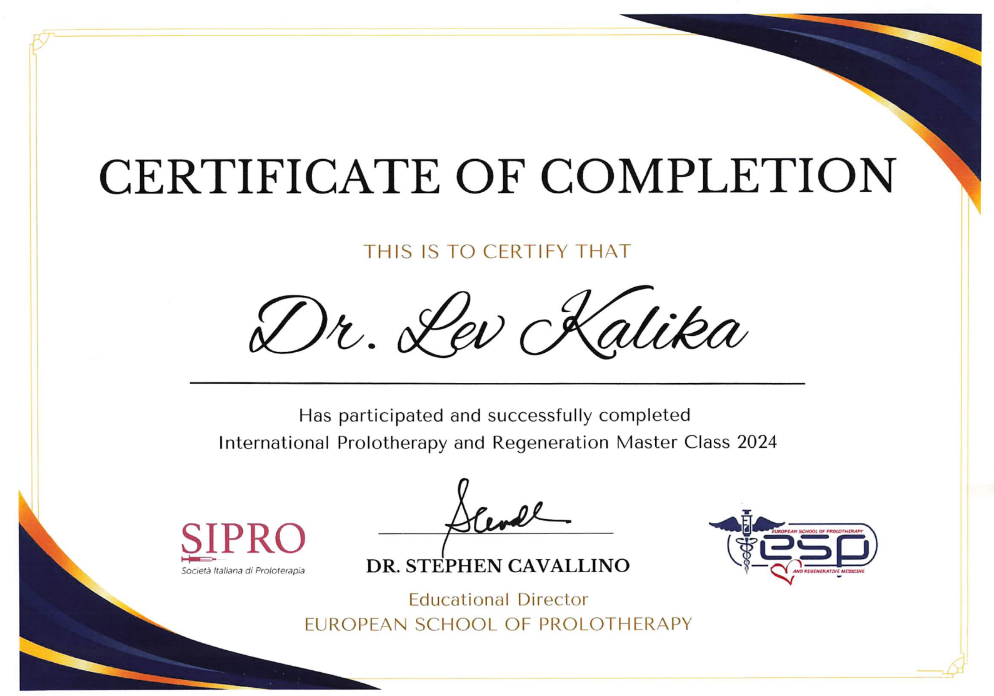
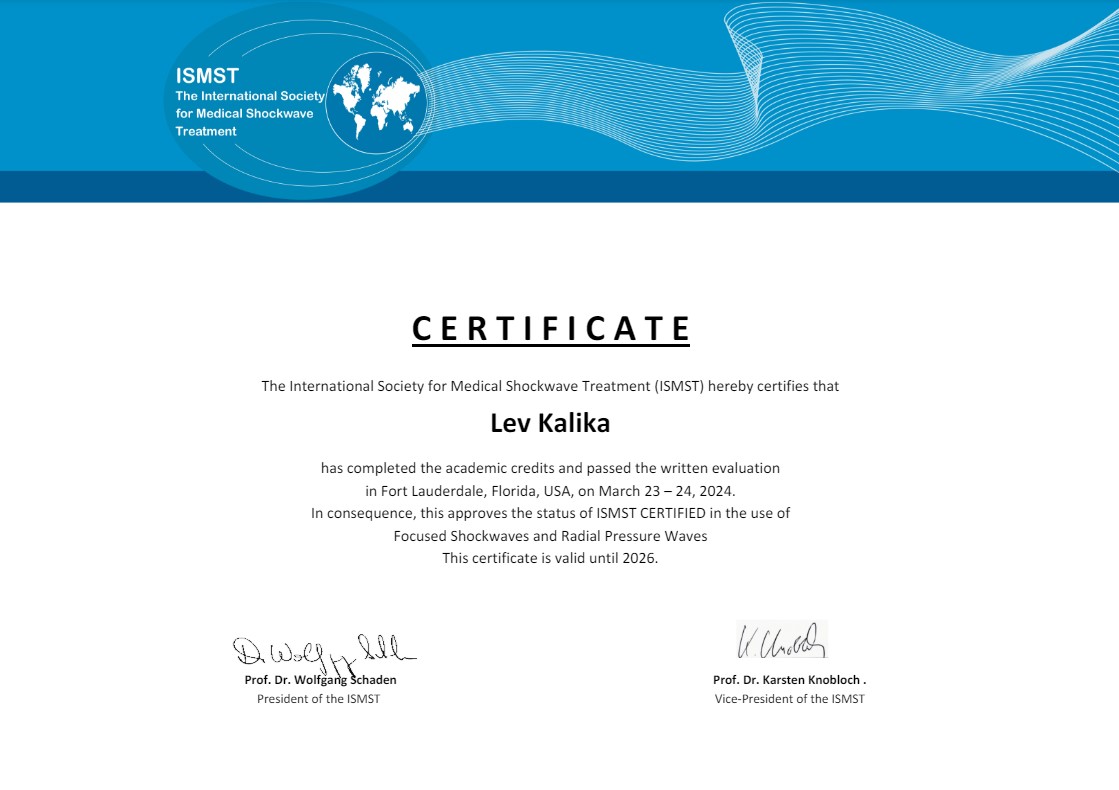
International Society for Medical Shockwave Treatment (ISMST)
American Institute of Ultrasound in Medicine (AIUM)
American Academy of Orthopedic Medicine(AAOM)
Fascia research Society (FRS)
Gait and Clinical Movement Analysis Society (GCMAS)
Sigma Xi, The Scientific Research Honor Society
Dr. Kalika is the only clinician in New York certified by the ISMST to perform extracorporeal shockwave therapy. He has developed his own unique approach to dynamic functional and fascial ultrasonography and has published peer-reviewed research on the topic. Dr. Kalika is a specialist in orthobiologics, a certified practitioner of Stecco Fascial Manipulation, and serves as a consultant for STT Systems – Motion Analysis & Machine Vision.
In this instance, an athlete was originally diagnosed with minor quadriceps muscle strain and was treated for four weeks, with unsatisfactory results. When he came to our clinic, the muscle was not healing, and the patients’ muscle tissue had already begun to atrophy.
Upon examination using MSUS, we discovered that he had a full muscle thickness tear that had been overlooked by his previous provider. To mitigate damage and promote healing, surgery should have been performed immediately after the injury occurred. Because of misdiagnosis and inappropriate treatment, the patient now has permanent damage that cannot be corrected.
The most important advantage of Ultrasound over MRI imaging is its ability to zero in on the symptomatic region and obtain imaging, with active participation and feedback from the patient. Using dynamic MSUS, we can see what happens when patients contract their muscles, something that cannot be done with MRI. From a diagnostic perspective, this interaction is invaluable.
Dynamic ultrasonography examination demonstrating the full thickness tear and already occurring muscle atrophy due to misdiagnosis and not referring the patient to proper diagnostic workup
Demonstration of how very small muscle defect is made and revealed to be a complete tear with muscle contraction under diagnostic sonography (not possible with MRI)
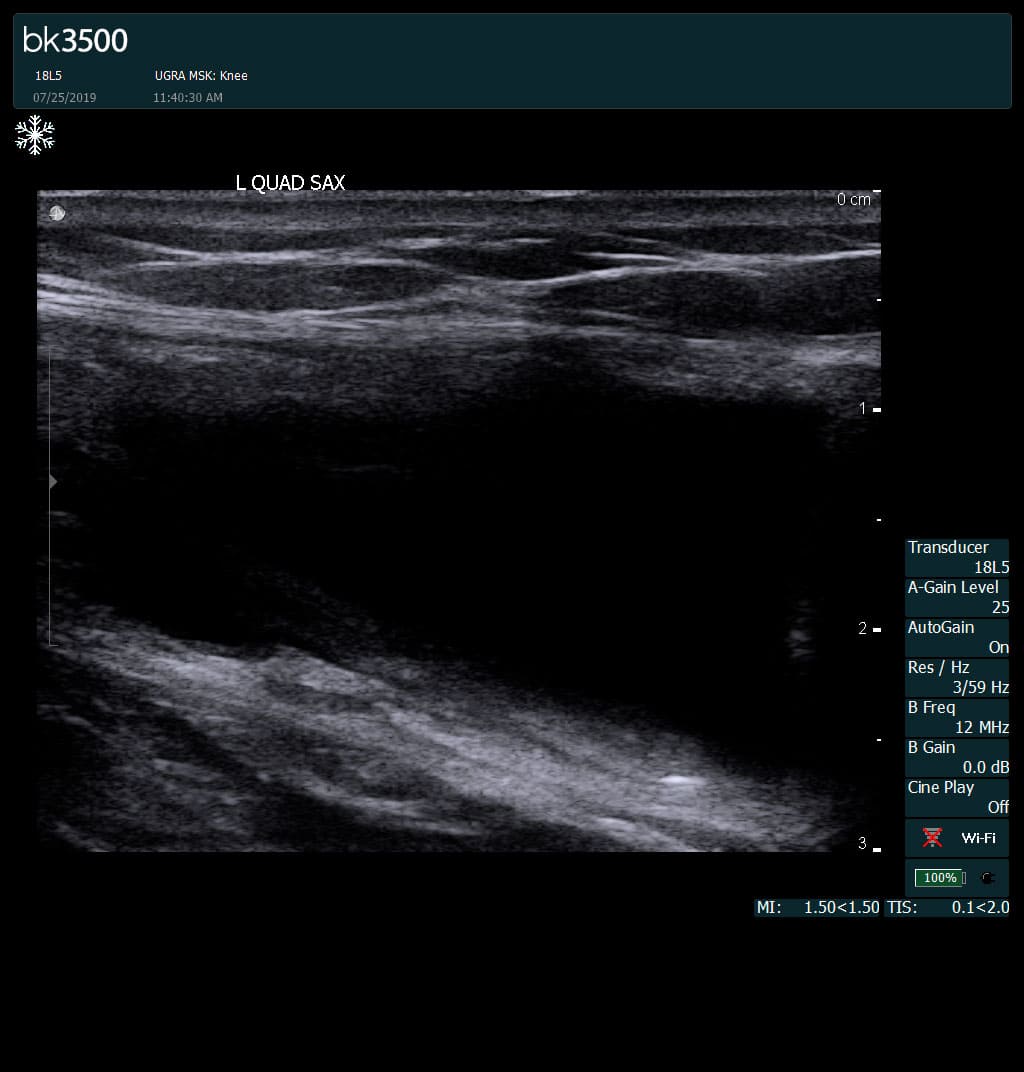
Complete tear of rectus femoris with large hematoma (blood)
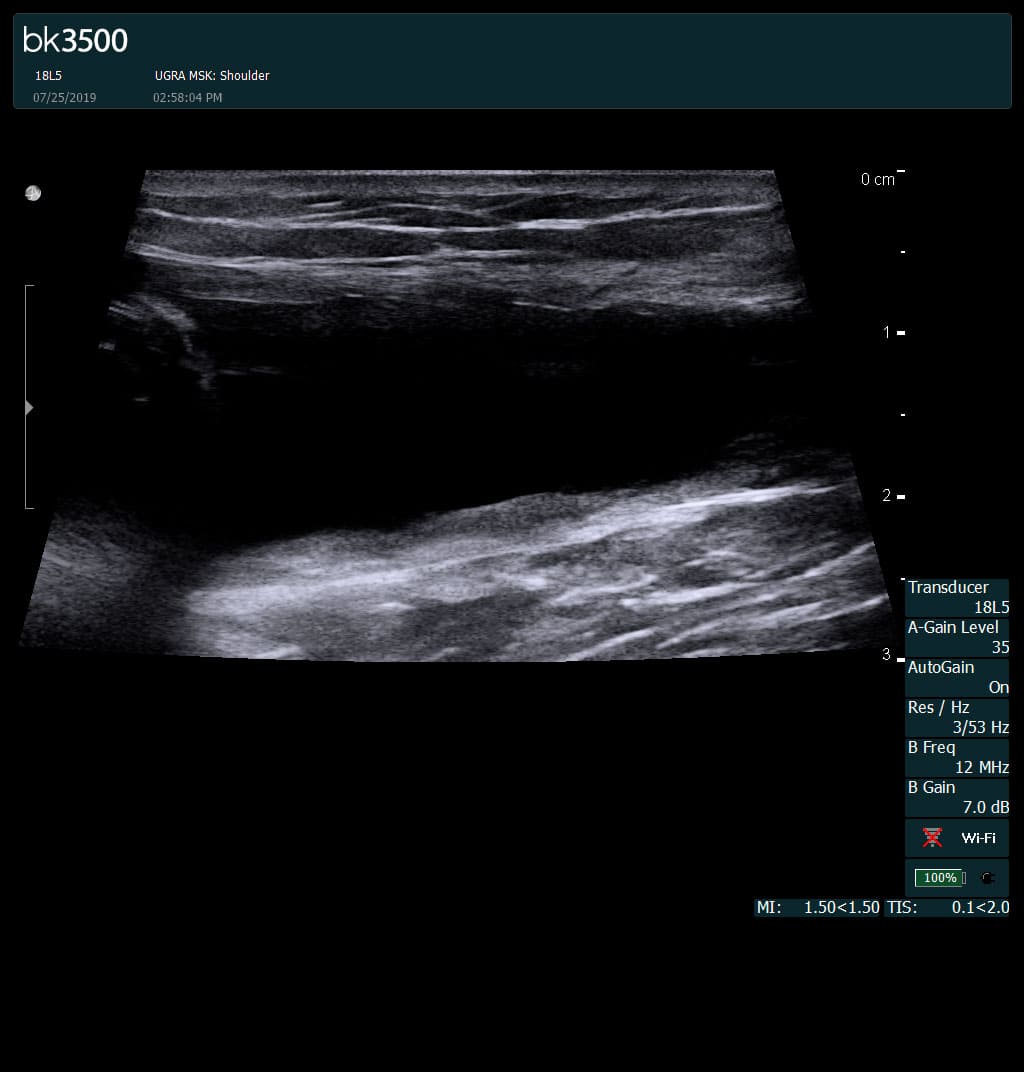
Separation of muscle ends due to tear elicited on dynamic sonography examination