There is more to good posture than how you look in the mirror. Your body is a biomechanical system of levers, much like a machine. In order for all your parts to move efficiently, without friction, they must be perfectly tuned and aligned. When one or more joints are misaligned, they impact the entire organism, reducing physical performance, causing pain, and increasing your risk of injury.
At the same time, poor alignment can affect the function of your body’s systems and vital organs, contributing to disease and accelerating aging. And yes – looks do matter. Good posture projects confidence and elevates your self-esteem, showing the world the best version of yourself.
Learn how posture affects your physical and mental health and performance, and how good posture optimizes your mobility and stability as you age.
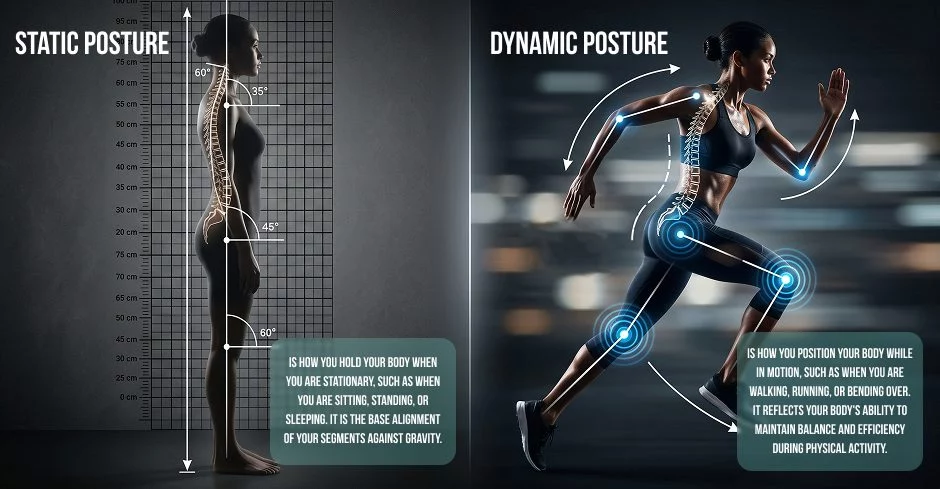
Posture is often assessed in terms of body segment alignment when you’re standing still, but the human body is designed to move. Dynamic posture is the interaction of your body segments in motion, and it plays a key role in your body’s ability to coordinate muscle recruitment patterns and adapt to outside forces. It serves to keep your body in equilibrium during physical activity, and helps you regain balance after alignment is disrupted.
Static posture and dynamic posture are intricately linked. Poor static posture can weaken joint stabilizers and cause imbalances in muscle tension, reducing movement efficiency and increasing your risk of injury. It can limit your coordination and joint range of motion, and reduce your adaptability during physical activity. Poor body alignment can lead to the development of inefficient compensation patterns that create pain syndromes and chronic dysfunction over time.
Good postural alignment is achieved through biotensegrity – tension generated by your muscles and fascia that guides and controls movement, and holds your body’s organs and structures in place. Without biotensegrity, you would be a heap of bones and soft tissues, incapable of producing movement. For optimal posture, tension must be balanced, coordinated, and variable in response to signals from your brain.
Key factors that contribute to posture include:






Good postural alignment is achieved through biotensegrity – tension generated by your muscles and fascia that guides and controls movement, and holds your body’s organs and structures in place. Without biotensegrity, you would be a heap of bones and soft tissues, incapable of producing movement. For optimal posture, tension must be balanced, coordinated, and variable in response to signals from your brain.
1. Energy conservation
Posture is more than static alignment. It is also how your joints interact as you move. When observing trained soldiers, one thing you immediately notice is their posture – how they stand at attention, and how they carry themselves in motion. Military posture is no coincidence. Soldiers are trained to stand and move in ways that conserve energy, with minimal stress on the body’s structures. Good posture enables them to stand in place for hours and march in unison for miles, with minimal fatigue.
2. Enhanced sports performance and reduced injury risk
Good alignment improves balance, coordination, and mechanical efficiency during physical activity. An athlete with good dynamic posture automatically adapts to changes in velocity, direction, and terrain, automatically adjusting and coordinating muscle action in real time. Elite athletes follow specialized, sport-specific training programs designed to optimize skills execution and overall performance. Good dynamic posture dramatically decreases injury risk, resulting in a longer and more successful athletic career.


If you’ve ever woken up with a stiff neck, developed a migraine headache, or felt pain and tension in your neck and shoulders after a day working at your computer, you can thank your posture. A recent study found a strong correlation between forward-head posture – the kind you develop from staring at a screen – and incidence and severity of migraine headaches.
While posture-generated aches and pains often self-resolve in the short term, poor postural habits can lead to chronic pain conditions over time that interfere with productivity and reduce your quality of life. By contrast, good posture relieves tension in your neck and spine, taking pressure off nerves, reducing pain, and promoting efficient function.
4. Improved respiratory function
Oxygen is a vital component of cellular function – without it you would quickly die. Your body works around the clock to deliver oxygen extracted from your lungs to cells throughout your body via your cardiovascular system.
The ability of your lungs to extract oxygen from the air you breathe depends upon your diaphragm – a thin, dome-shaped sheet of muscle at the base of your chest that separates the thoracic cavity from the abdomen. As the diaphragm muscle contracts, it pulls oxygen into your lungs, making it available for transport.
A slouched posture compresses the chest and diaphragm, limiting how deeply you inhale. Upright posture enables your lungs to expand and your diaphragm to fully contract, increasing your oxygen uptake with every breath so your cells can function at their best.


To effectively deliver oxygen and nutrients to your cells, your blood vessels need to be able to glide freely among other structures, and to constrict and dilate in response to oxygen demand in various body regions. Mitochondria in your cells rely on ample oxygen delivery to manufacture ATP, the energy molecule, and all your tissues need nutrients for repair and maintenance.
Poor posture can exert pressure on blood vessels, reducing their functional capabilities. Tissues deprived of adequate oxygen are unable to operate at their full capacity, reducing performance and causing physical and mental fatigue. Over time, reduced oxygen flow can contribute to metabolic issues that become life-threatening.
6. Better organ function and digestion
Your vital organs are compactly arranged in your trunk and pelvis, competing for space with your muscles, connective tissues and neurovascular bodies. When you slouch, or when your muscles and fascia are too weak to hold your body in alignment, vital organs can be compressed, interfering with their function.
Slumped positions can also slow digestion by compressing the abdominal organs. This can lead to disorders like acid reflux, irritable bowel syndrome (IBS), or inflammatory bowel disease (IBD). Good posture gives your digestive system room to work efficiently, enhancing nutrient absorption and reducing digestive discomfort.


The spine is a complex bony structure with distinct curvatures that characterize its various sections. The spine is not a rigid structure – the spinal curvatures work like a spring, absorbing shock and distributing forces to protect the spinal cord. It also helps to maintain vital organ position and support upright posture.
Spinal health relies on biotensegrity for function and protection. When muscles and fascia are weakened or dysfunctional, the spine’s protective capacity is compromised, impacting the neural bodies that run along its length. Good spinal alignment requires engagement of the back, core, and pelvic floor muscles, along with optimal joint range of motion
8. Reduced risk of age-related degeneration
Good posture preserves the spine’s natural curves and prevents long-term issues like degeneration and arthritis. Chronic poor posture places uneven stress on joints and ligaments, potentially leading to osteoarthritis and chronic back pain later in life. Consistent good posture supports healthier aging and long-term mobility.
A recent research article cites loss-of-force control as a key contributing factor in spinal degeneration in older adults. The same factors that contribute to poor posture – weakened muscles and loss of biotensegrity – are key contributors to degenerative disorders in aging populations.

Your body language – the way you hold and carry yourself – speaks volumes to the world about your self-perception. Upright posture projects strength, confidence, and poise, sending signals to others that you are able to hold your own in any situation. But it’s a 2-way street. Improving your posture can affect your psyche, increasing your feelings of confidence and high self esteem.
A recent systematic review of research noted that depressed people tend to have a more slumped posture, and they cited a significant correlation between depression and spinal abnormalities such as kyphosis, forward head and forward shoulder. Upright posture has been shown to improve mood, reduce stress, and increase feelings of confidence.
10. Greater productivity and mental focus
Poor posture can lead to symptoms of pain, fatigue, and reduced energy. Misalignment can reduce oxygen flow to your brain and interfere with your ability to focus and problem-solve. Upright posture can help improve breathing, enhance mood, and sharpen focus. It reduces stress and helps you perform better in daily tasks or high-pressure situations


The earlier in life you correct your posture, the greater your benefits over time. But it’s never too late to make changes.
Changes you can make now to enhance your posture include:
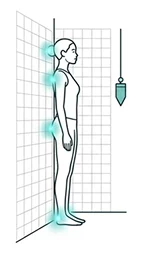
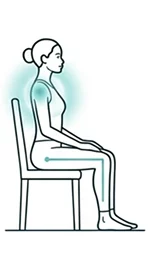


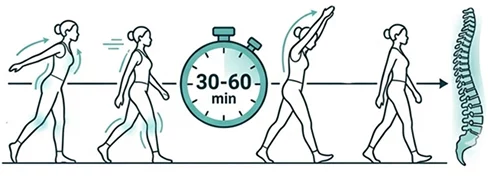





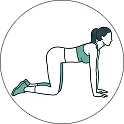

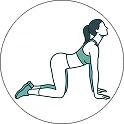
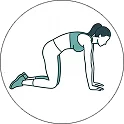
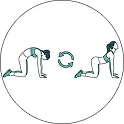
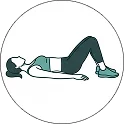

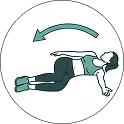

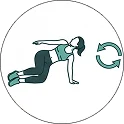
If you’re serious about making major changes, you may benefit from posture correction therapy. Postural optimization involves reprogramming the brain, nervous system, and muscles to correct, improve, and maintain optimal structural alignment. The goal is to build long-term muscle memory through specific exercises, movement retraining, and increased body awareness. The reprogramming process aims to eliminate poor postural habits that interfere with health, stability, and mobility.
Good posture holds the key to lifelong mobility and stability, enhancing your overall health and quality of life. Upright posture projects confidence, signalling that you’re comfortable in your own skin and ready to take on the world. There are many things you can do to promote good posture, but many factors are hidden deep within your body.
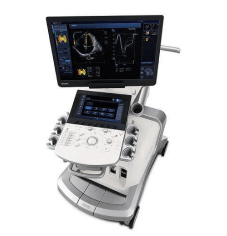
At NYDNRehab, we use high-resolution ultrasonography to scan your tissues from head to toe, to identify key factors that alter your alignment and reduce mechanical efficiency. Our years of expertise combined with our advanced technologies and therapies can help you optimize your postural alignment today, to help you guard against posture-related issues in the future. To achieve your best posture ever, contact NYDNRehab today.
Request an appointment»

Our location: 11 West 25th Street 5th floor, New York, NY 10010
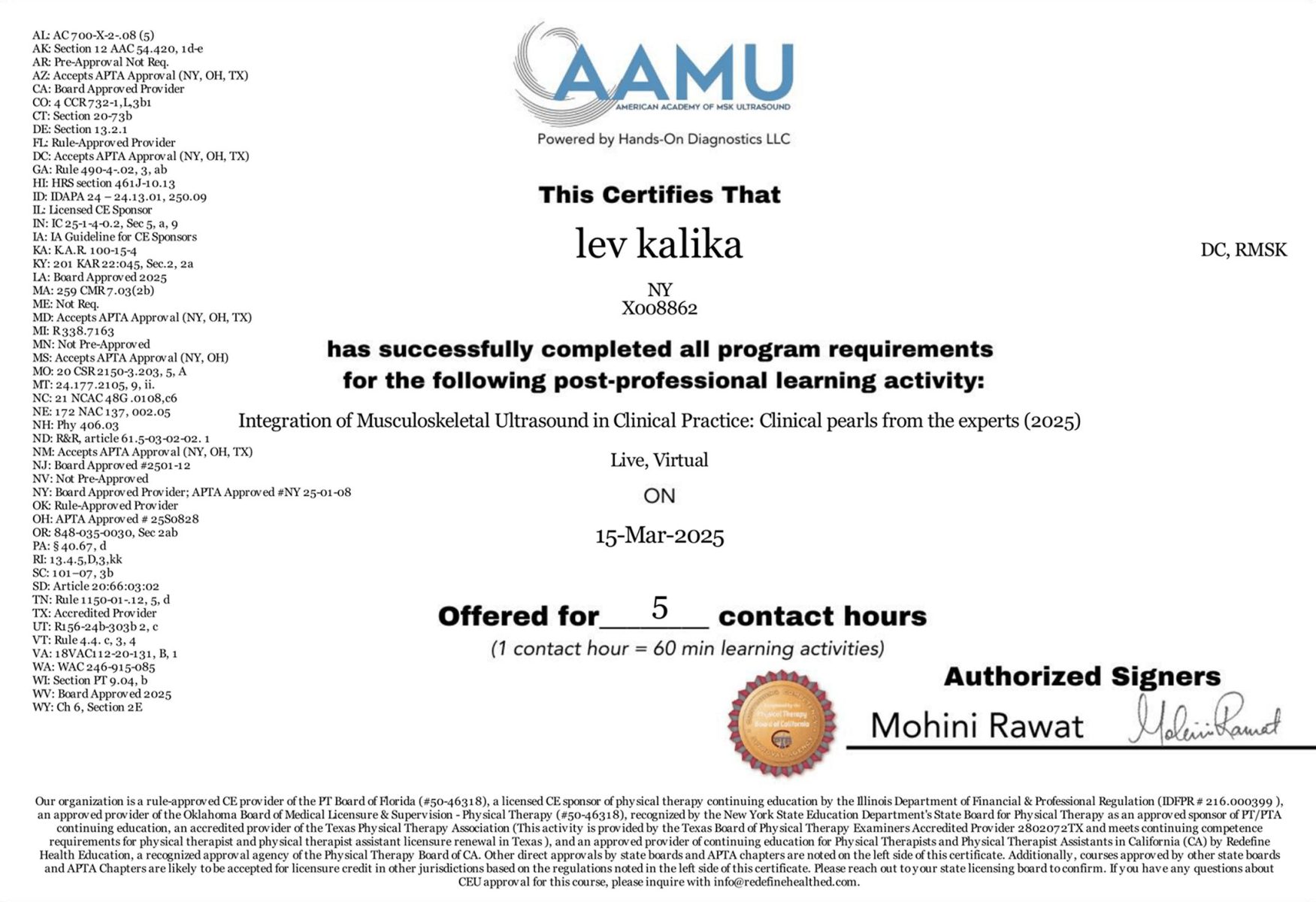
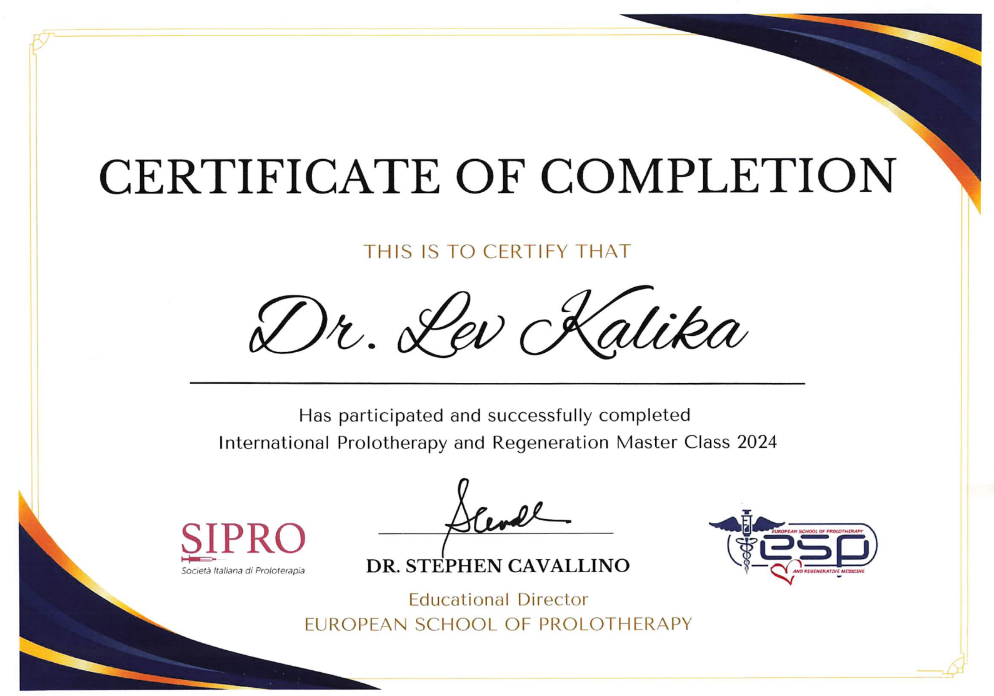
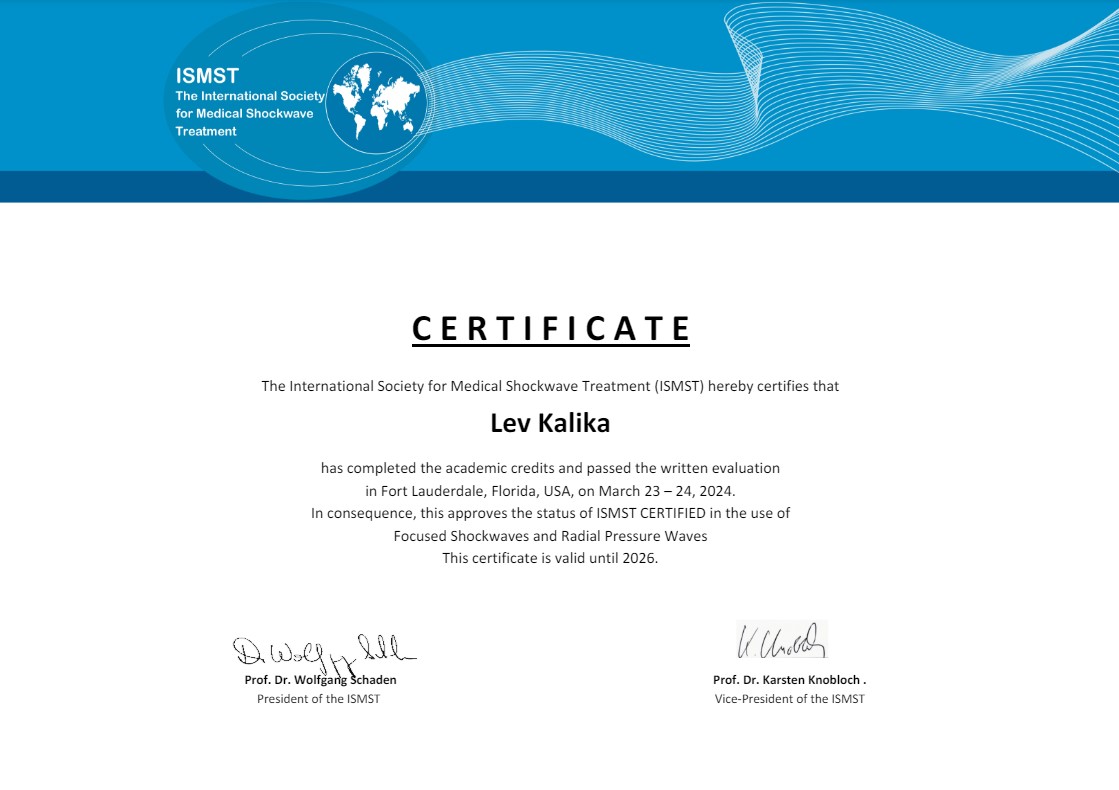
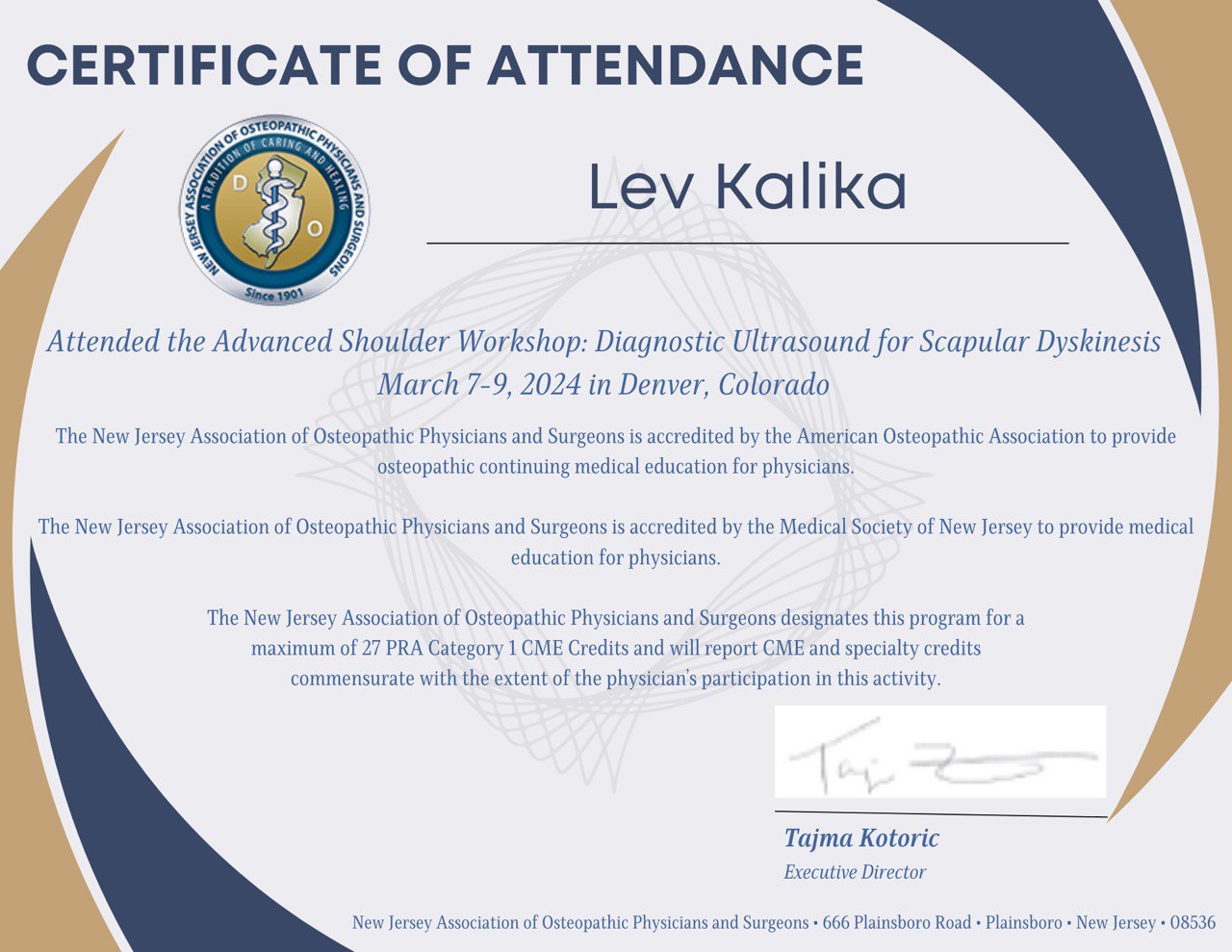
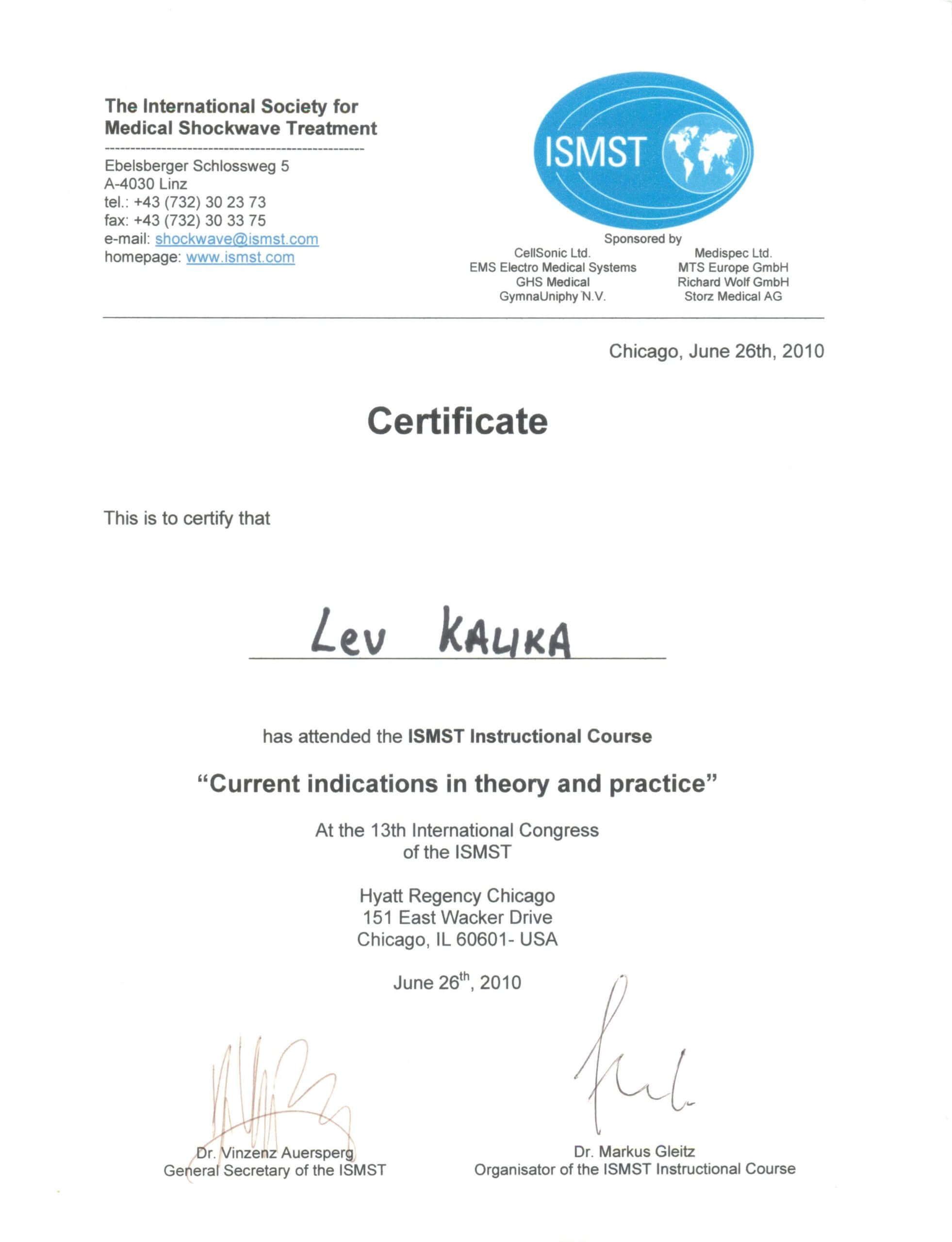
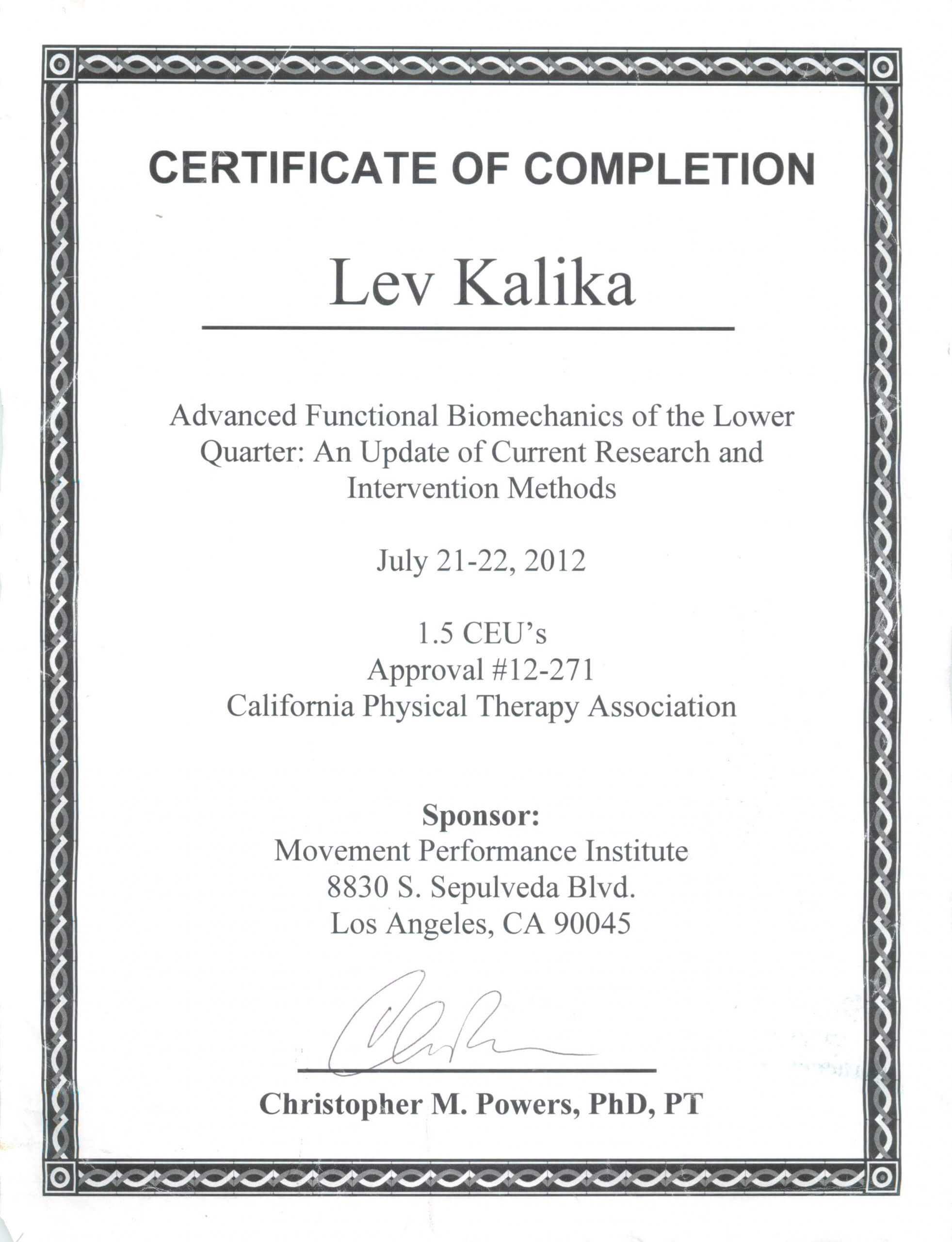
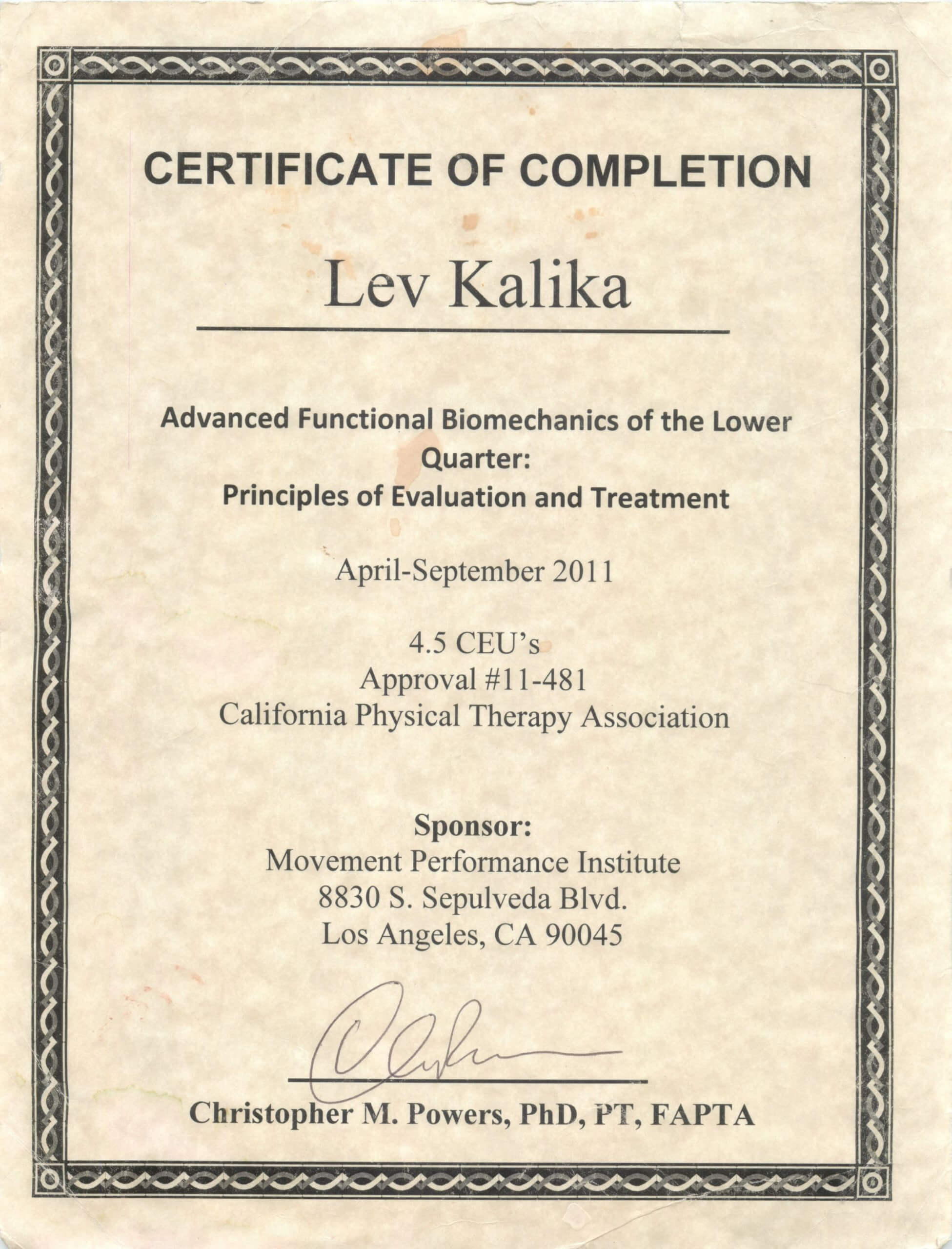
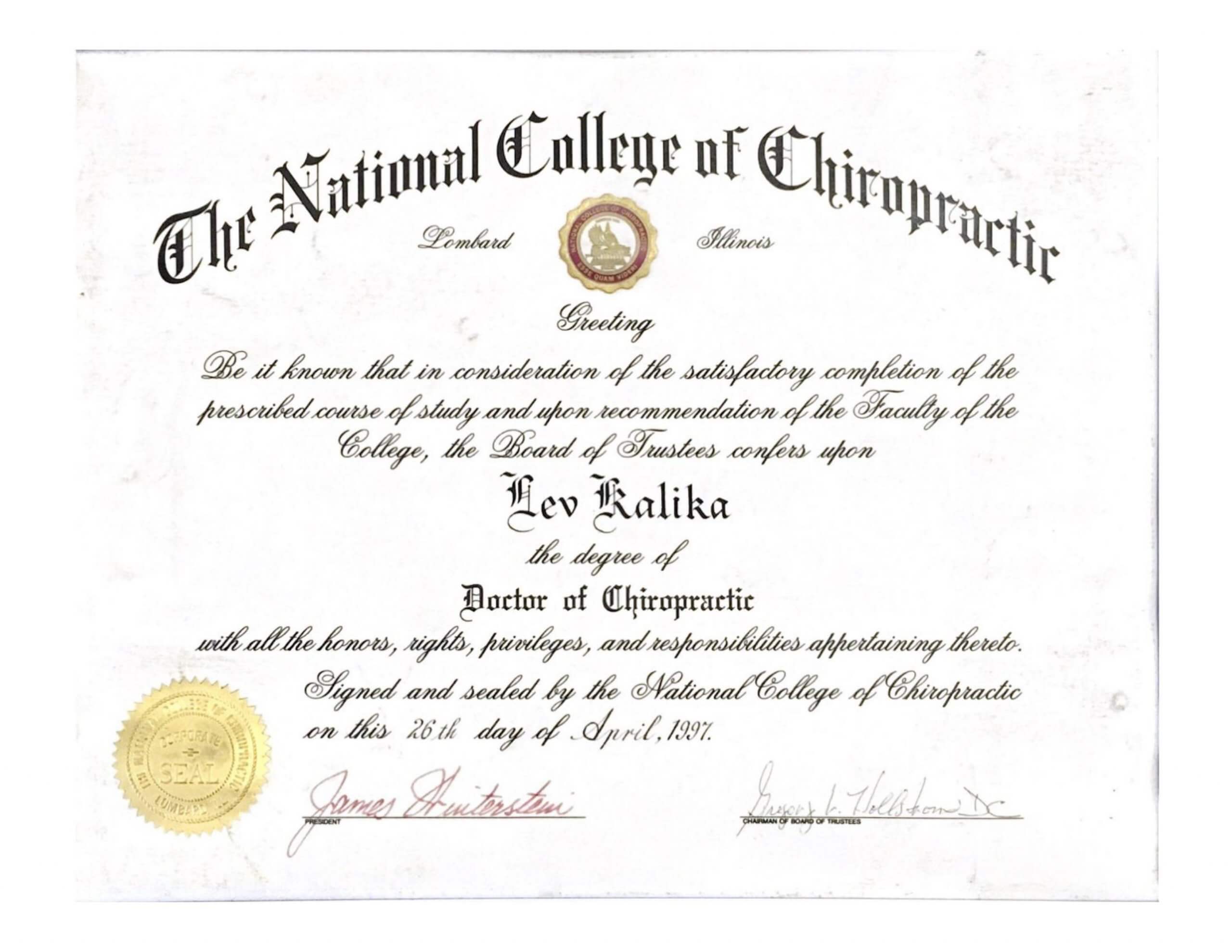
Dr. Lev Kalika is a world-recognized expert in musculoskeletal medicine. with 20+ years of clinical experience in diagnostic musculoskeletal ultrasonography, rehabilitative sports medicine and conservative orthopedics. In addition to operating his clinical practice in Manhattan, he regularly publishes peer-reviewed research on ultrasound-guided therapies and procedures. He serves as a peer reviewer for Springer Nature.
Dr. Kalika is an esteemed member of multiple professional organizations, including:

Below is a prime example of how ultrasound can take the guesswork out of diagnosis.
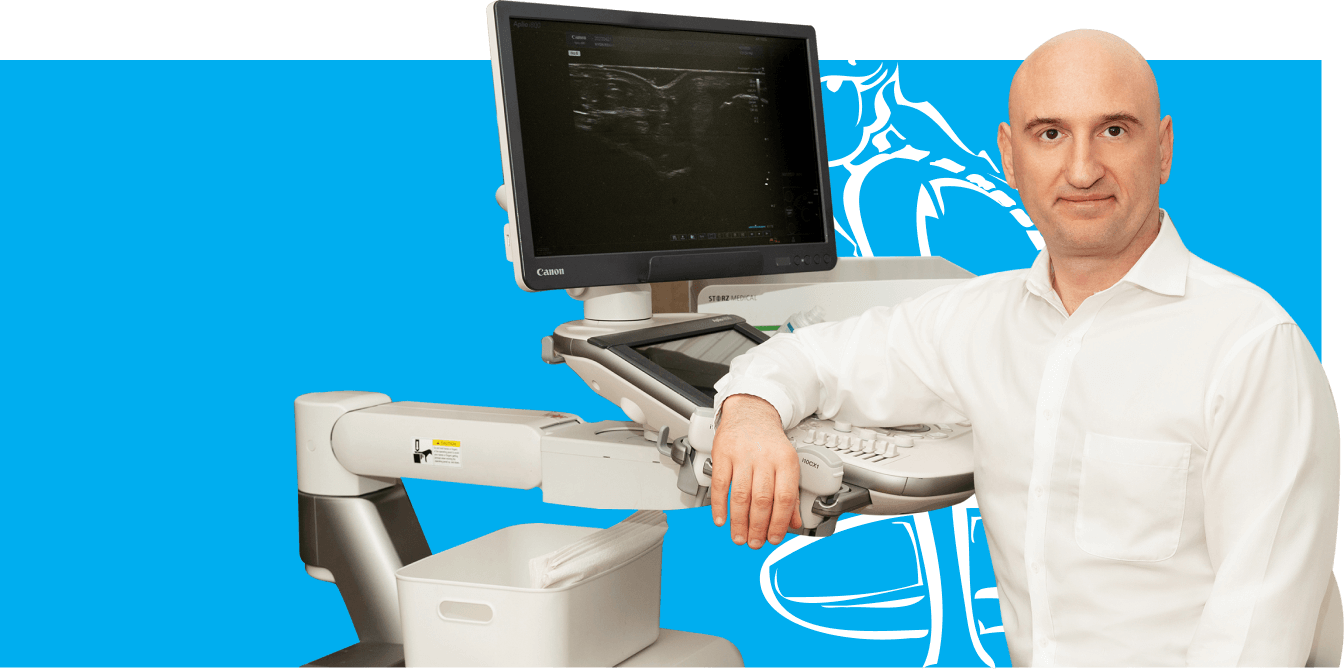

A bad physical therapy experience is one of the primary causes of unnecessary surgery

In this instance, an athlete was originally diagnosed with minor quadriceps muscle strain and was treated for four weeks, with unsatisfactory results. When he came to our clinic, the muscle was not healing, and the patients’ muscle tissue had already begun to atrophy.
Upon examination using MSUS, we discovered that he had a full muscle thickness tear that had been overlooked by his previous provider. To mitigate damage and promote healing, surgery should have been performed immediately after the injury occurred. Because of misdiagnosis and inappropriate treatment, the patient now has permanent damage that cannot be corrected.
The most important advantage of Ultrasound over MRI imaging is its ability to zero in on the symptomatic region and obtain imaging, with active participation and feedback from the patient. Using dynamic MSUS, we can see what happens when patients contract their muscles, something that cannot be done with MRI. From a diagnostic perspective, this interaction is invaluable.
Dynamic ultrasonography examination demonstrating
the full thickness tear and already occurring muscle atrophy
due to misdiagnosis and not referring the patient
to proper diagnostic workup
Demonstration of how very small muscle defect is made and revealed
to be a complete tear with muscle contraction
under diagnostic sonography (not possible with MRI)
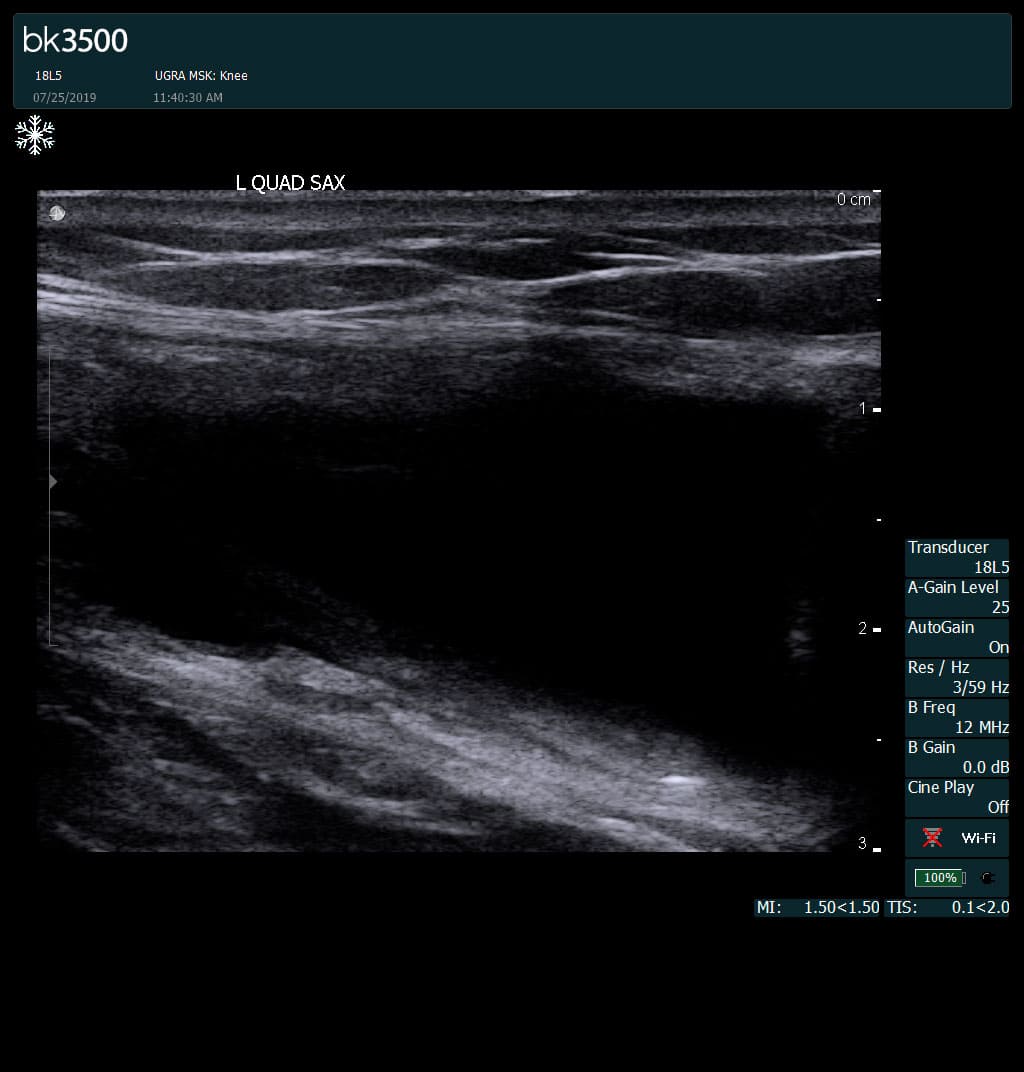
Complete tear of rectus femoris
with large hematoma (blood)
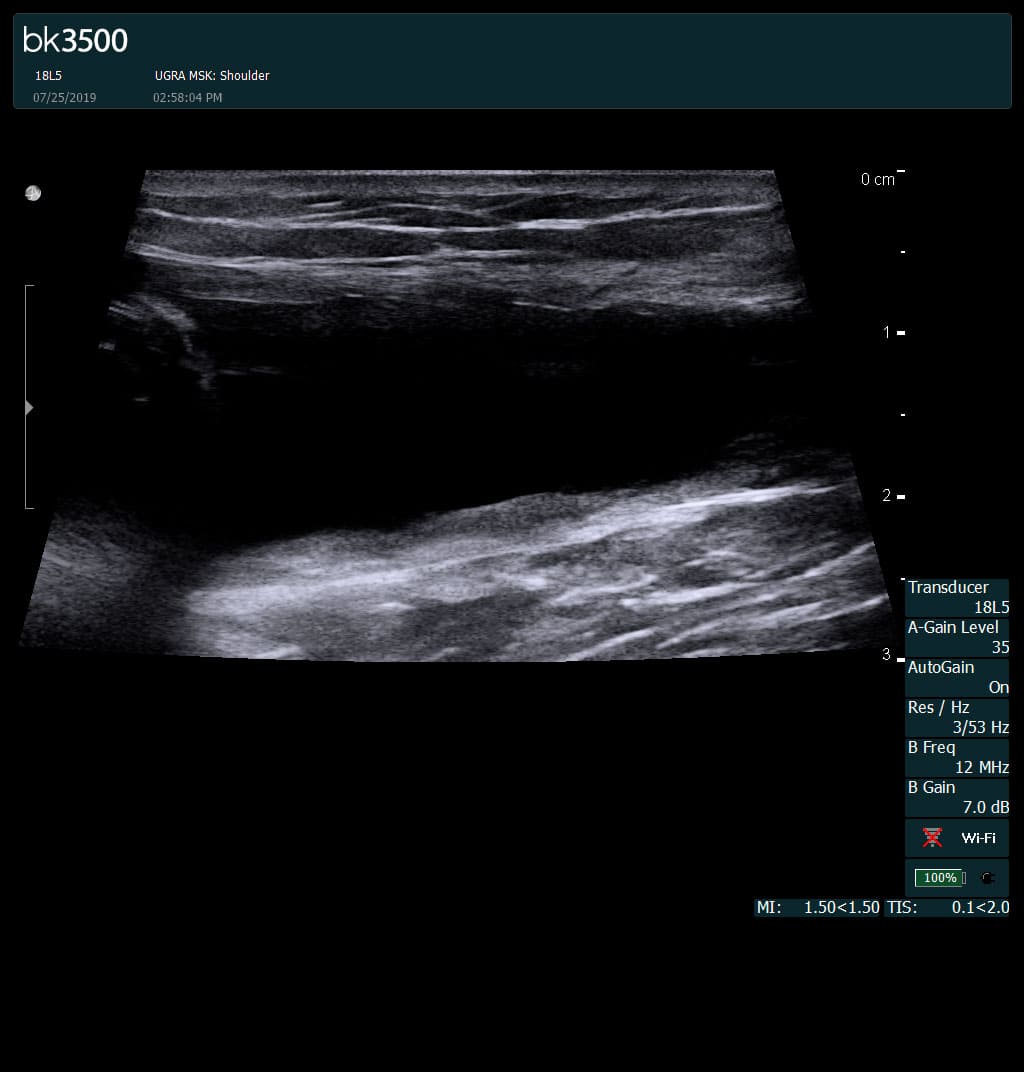
Separation of muscle ends due to tear elicited
on dynamic sonography examination


 Request Telehealth