PRECISION REGENERATIVE MEDICINE IN NEW YORK FOR CHRONIC PAIN AND INJURY

Personalized boutique services supported by cutting-edge integrative diagnostics and advanced holistic therapies.

Combined 50
years in practice
5,000+
Patients Treated
4.8 on Google
from 180+ reviews
Ultrasound-Guided
Procedures

The Most Important Thing Most Clinics Don't Tell You

The injection is only one part of the treatment. The quality of healing depends largely on the biological environment in which tissue repair occurs.

Regenerative treatments deliver biological signals that may support tissue healing. But an injection alone cannot correct an unstable joint, a restricted nerve, poorly gliding fascia, or abnormal mechanical stress. These problems can continue to irritate injured tissue even after treatment.

Planting a seed in fertile, well-watered soil produces very different results from planting the same seed in dry, compacted ground. In regenerative medicine, your tissue is the soil.
NYDNRehab clinical philosophy

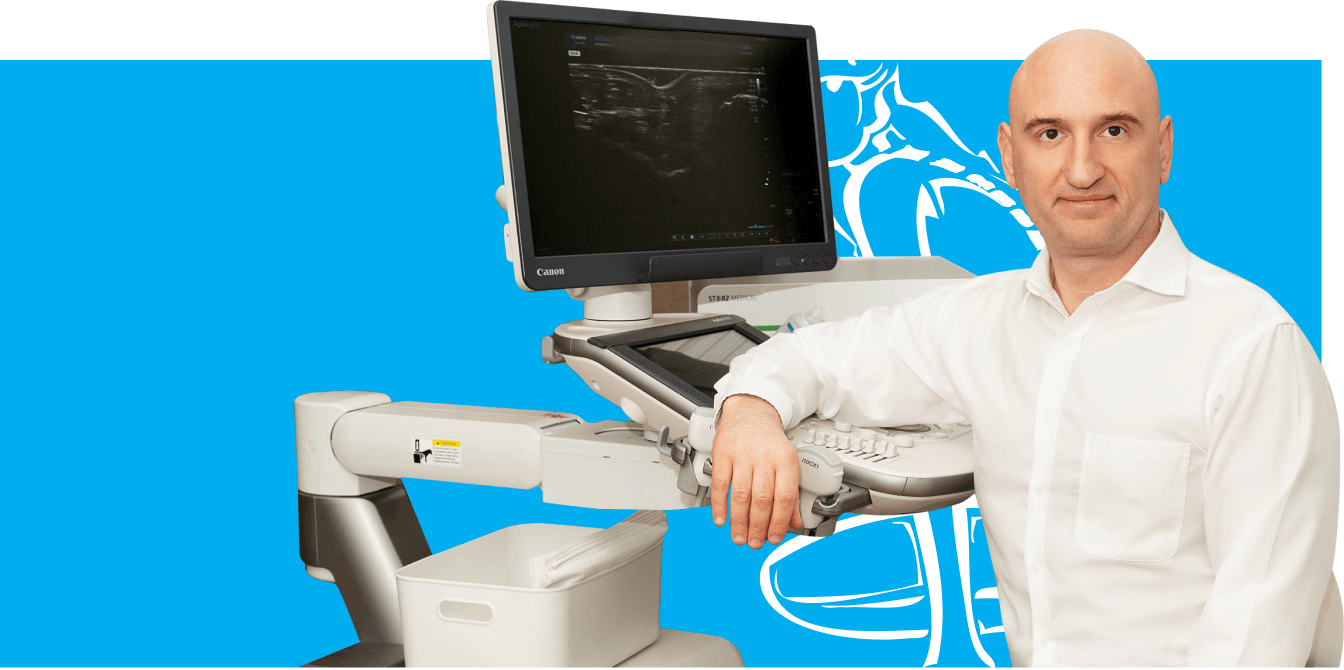
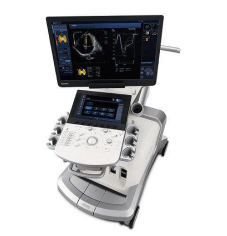
At NYDNRehab, we examine the condition of the injured tissue and the structures around it. Using dynamic ultrasound, clinical examination, and movement analysis, we identify mechanical restrictions, instability, or nerve irritation that may need attention before or alongside regenerative treatment.

Advanced non-surgical solutions designed to help you move better, feel better, and live without pain.

Ultrasound diagnostics, targeted biologics and rehabilitation to find what is injured and why it keeps hurting.

Are you living with chronic joint pain, arthritis, a tendon tear, or an injury that just won’t heal? Have traditional treatments left you with temporary relief, but no real answers?

Regenerative medicine at NYDNRehab is designed to do something different. Rather than masking your symptoms, our approach works with your body’s natural healing mechanisms, combining advanced orthobiologics, cell signaling therapies, peptide protocols, and regenerative rehabilitation to address the underlying structural and biological causes of your pain.

Our approach combines precise diagnosis, carefully selected biologic treatments, ultrasound-guided procedures, and rehabilitation. Sometimes the first step is restoring tissue mobility or correcting abnormal loading, not injecting the painful area.

We're located on 25th Street in Manhattan NYC.
Open Monday-Friday, 9am-8pm.

Do We Treat Your Condition?
Most Likely, Yes.
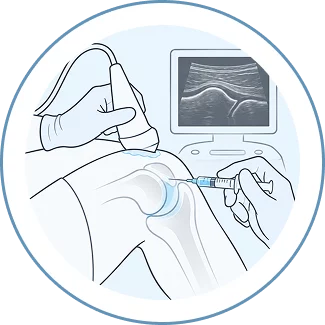
Our regenerative medicine specialists have extensive experience treating a wide range of musculoskeletal conditions, from everyday wear and tear to complex structural injuries.
Chronic joint pain
Sciatica
Knee osteoarthritis & meniscus tears
Hip joint degeneration
Plantar fasciitis & foot pain
Severe sports & overuse injuries
Chronic neck and back pain, cervicogenic headaches
Labrum tears
Rotator cuff & shoulder injuries
Tennis elbow & golfer's elbow
Tendon tears, tendonitis & chronic tendinopathy
Nerve entrapment syndromes
Not sure if your condition qualifies? Our team will conduct a thorough evaluation to determine whether regenerative medicine is right for you, and recommend the most appropriate path forward if it isn't.

Why Are You Still in Pain, Even After Treatment?

If physical therapy, injections, medication, or rest have provided only temporary relief, the original source of pain may not have been fully identified. Pain may come from a damaged structure, but it can also be maintained by irritated nerves, restricted connective tissue, or abnormal movement.

Underneath that signal there is often one or more of the following
Joint degeneration

Cartilage, underlying bone, joint capsules, and supporting ligaments can all contribute to persistent joint pain.

Tendon or ligament damage

Injured tissues may appear relatively normal at rest but become painful or mechanically abnormal when loaded.

Nerve and fascial restrictions

Nerves can become irritated when surrounding tissue restricts their movement, sometimes causing pain far from the source.

Abnormal movement patterns

Poor coordination or joint control can repeatedly overload injured tissues, preventing lasting improvement.

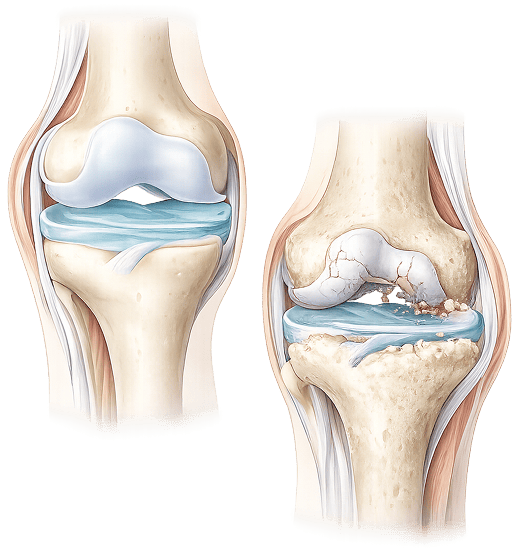
OSTEOARTHRITIS
IS MORE THAN
CARTILAGE DAMAGE

Osteoarthritis Is More Than Cartilage Wearing Away

Many patients think of osteoarthritis as a cartilage problem. While cartilage breakdown is central, current research suggests osteoarthritis is better understood as a whole-joint disease that involves multiple tissues at once. Osteoarthritis affects the entire joint, including the cartilage, underlying bone, synovium, ligaments, and surrounding muscles. When joint stability or muscle coordination deteriorates, abnormal forces may accelerate tissue damage and perpetuate pain. This is why we assess not only the degenerative changes but also how the joint functions under load. This is why treating osteoarthritis with a single cartilage-targeted injection often falls short. We evaluate the entire biological environment of the joint, not just the cartilage.
Why Standard Treatments Fall Short
Cortisone injections

Cortisone can provide valuable short-term relief by reducing inflammation, but it does not repair a torn ligament, restore nerve mobility, or correct joint instability. Repeated injections may also carry tissue-related risks.

Pain medications

Medications can help control symptoms, but they may not address the structural injury, nerve irritation, or mechanical dysfunction contributing to persistent pain.

Regenerative Medicine: Working With
Your Body, Not Against It

Regenerative medicine uses biologically active treatments to support the body’s repair processes. At NYDNRehab, we combine these therapies with precise anatomical diagnosis and correction of the mechanical problems that may prevent recovery. Rather than focusing on one painful structure, we examine the tissues that work together to support and move it.
The Four Pillars of Regenerative Medicine at NYDNRehab

Orthobiologic Medicine

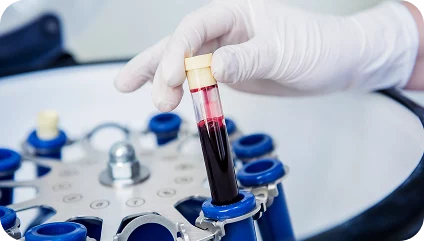
PRP, BMAC, MFAT, prolotherapy, and other targeted injections, selected according to the injured tissue, the condition being treated, and the available clinical evidence
Nerve and Fascial Hydrodissection

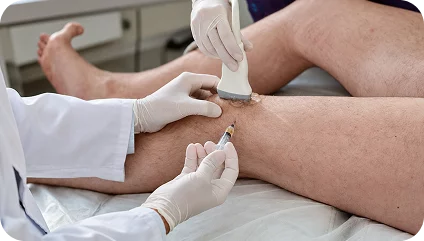
Using ultrasound, we introduce fluid into restricted connective tissue planes around nerves and muscles; this may help separate adhesions and restore normal tissue gliding when mechanical restriction contributes to pain

Regenerative Rehabilitation

Restoring movement control, joint stability, and appropriate tissue loading so the treated area is not continually exposed to the same damaging stresses
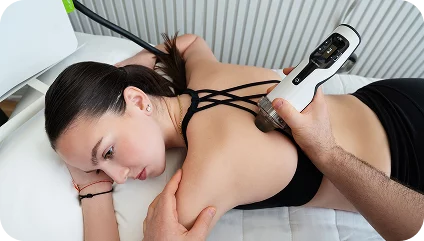
Non-Injectable Regenerative Medicine

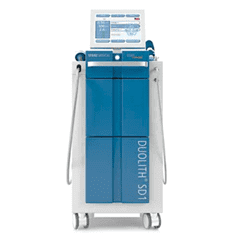
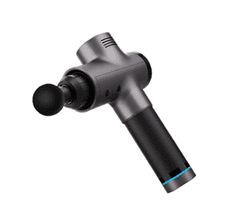
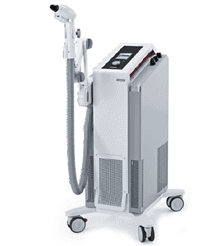
Shockwave therapy, EMTT, laser, and TECAR may be used to support pain management and rehabilitation, either independently or alongside selected procedures

Before the Injection: Why Preparation Can
Matter as Much as the Procedure

Before recommending a biologic injection, we assess more than the injured tissue. We examine how nerves move, whether connective tissue layers glide freely, how joints respond to loading, and whether muscles provide adequate stability. When these functions are impaired, targeted fascial treatment, hydrodissection, or rehabilitation may be appropriate before or alongside PRP or other orthobiologics.

 Factors that influence healing potential
Blood supply and vascularity

Tissues with compromised circulation respond more slowly; EMTT and high-power laser are used to support circulation before procedures

Chronic inflammation

Persistent inflammation raises tissue-degrading enzymes and lowers repair-cell activity; addressing it is often part of the sequence

Connective tissue quality

Fascia connects muscle layers and helps transfer force; when its movement is restricted it may contribute to abnormal loading or nerve irritation. We assess it with dynamic ultrasound and clinical testing

Immune regulation

When immune regulation is disrupted, the healing response can be blunted or misdirected

Metabolic health, sleep, nutrition

These directly influence tissue repair capacity; optimizing them can be a meaningful part of preparation

Movement quality & mechanical loading

Weakness, instability, or poor coordination in neighboring structures can repeatedly overload an injured joint; restoring movement control is part of treatment

At NYDNRehab, biological readiness is assessed as part of the initial evaluation. Depending on findings, a treatment plan may begin with a period of preparation before any orthobiologic procedure is performed. This is not delay for its own sake. It is precision
bg

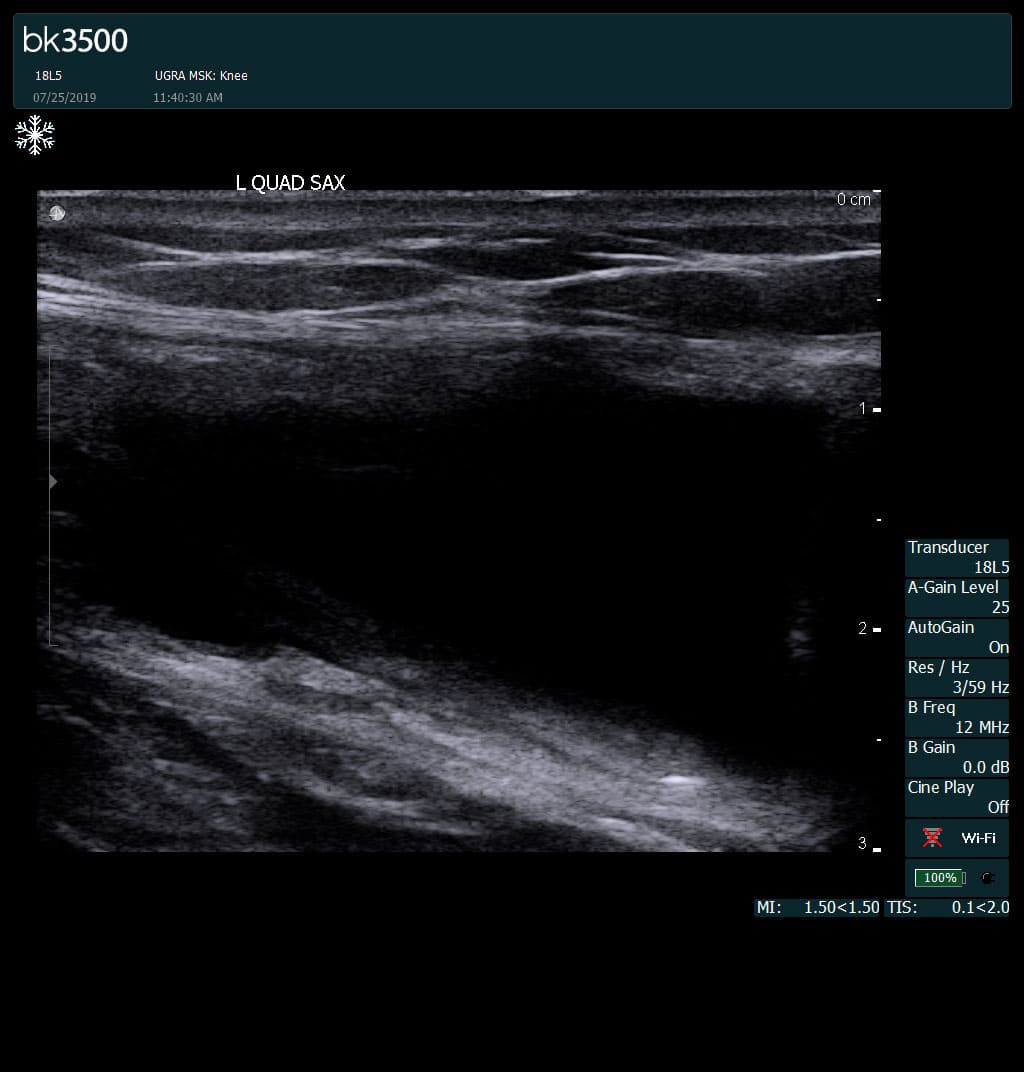
In this instance, an athlete was originally diagnosed with minor quadriceps muscle strain and was treated for four weeks, with unsatisfactory results. When he came to our clinic, the muscle was not healing, and the patients’ muscle tissue had already begun to atrophy.

Upon examination using MSUS, we discovered that he had a full muscle thickness tear that had been overlooked by his previous provider. To mitigate damage and promote healing, surgery should have been performed immediately after the injury occurred. Because of misdiagnosis and inappropriate treatment, the patient now has permanent damage that cannot be corrected.

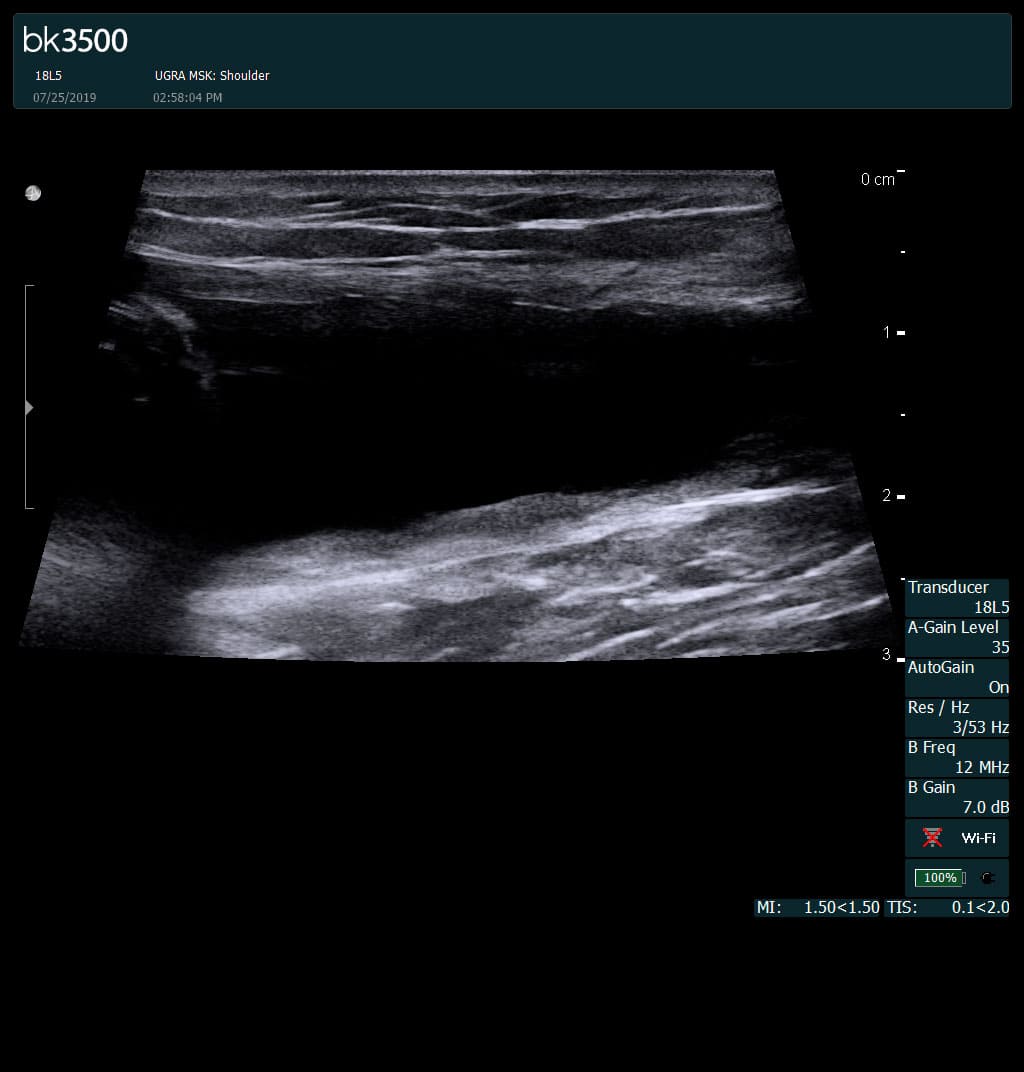
The most important advantage of Ultrasound over MRI imaging is its ability to zero in on the symptomatic region and obtain imaging, with active participation and feedback from the patient. Using dynamic MSUS, we can see what happens when patients contract their muscles, something that cannot be done with MRI. From a diagnostic perspective, this interaction is invaluable.

Dynamic ultrasonography examination demonstrating
the full thickness tear and already occurring muscle atrophy
due to misdiagnosis and not referring the patient
to proper diagnostic workup

Demonstration of how very small muscle defect is made and revealed
to be a complete tear with muscle contraction
under diagnostic sonography (not possible with MRI)

image

Complete tear of rectus femoris
with large hematoma (blood)

image

Separation of muscle ends due to tear elicited
on dynamic sonography examination

Request TelehealthRequest Telehealth Request in office visit Book now