
 Request Telehealth
Unlock Your Longevity Potential with Optimized Mobility
Personalized boutique services supported by cutting-edge integrative diagnostics and advanced holistic therapies.
Dr. Lev Kalika and Our Team of Longevity
Specialists
Clinical director & DC RMSK
Verified Expert Profiles


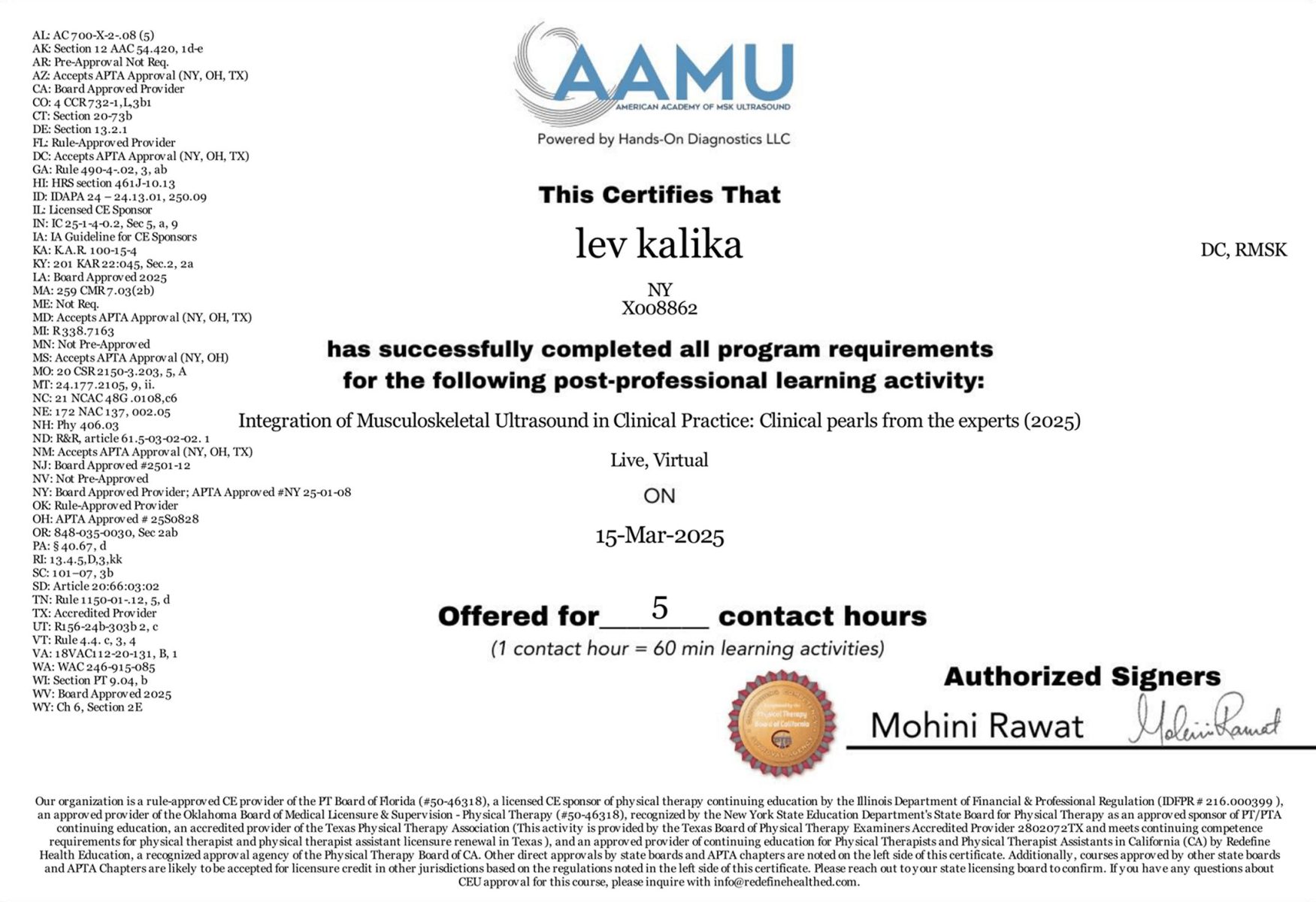
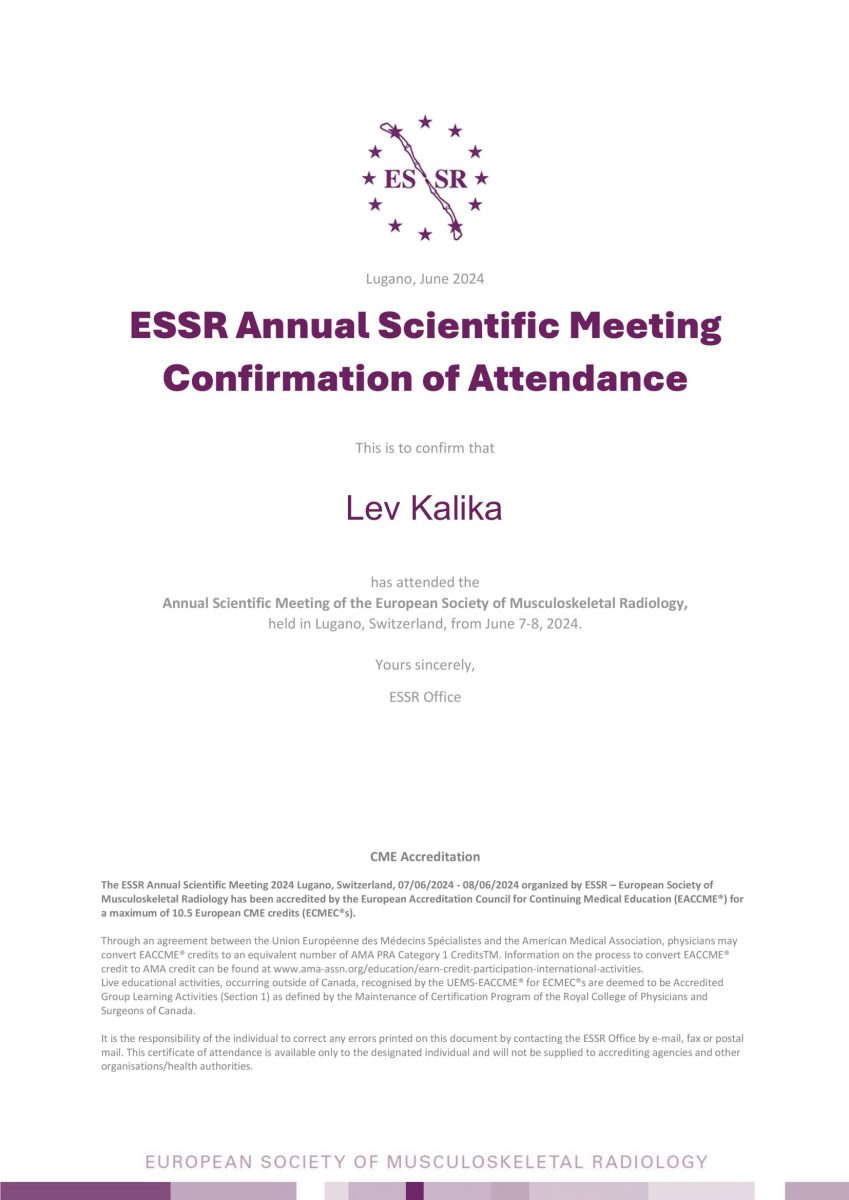
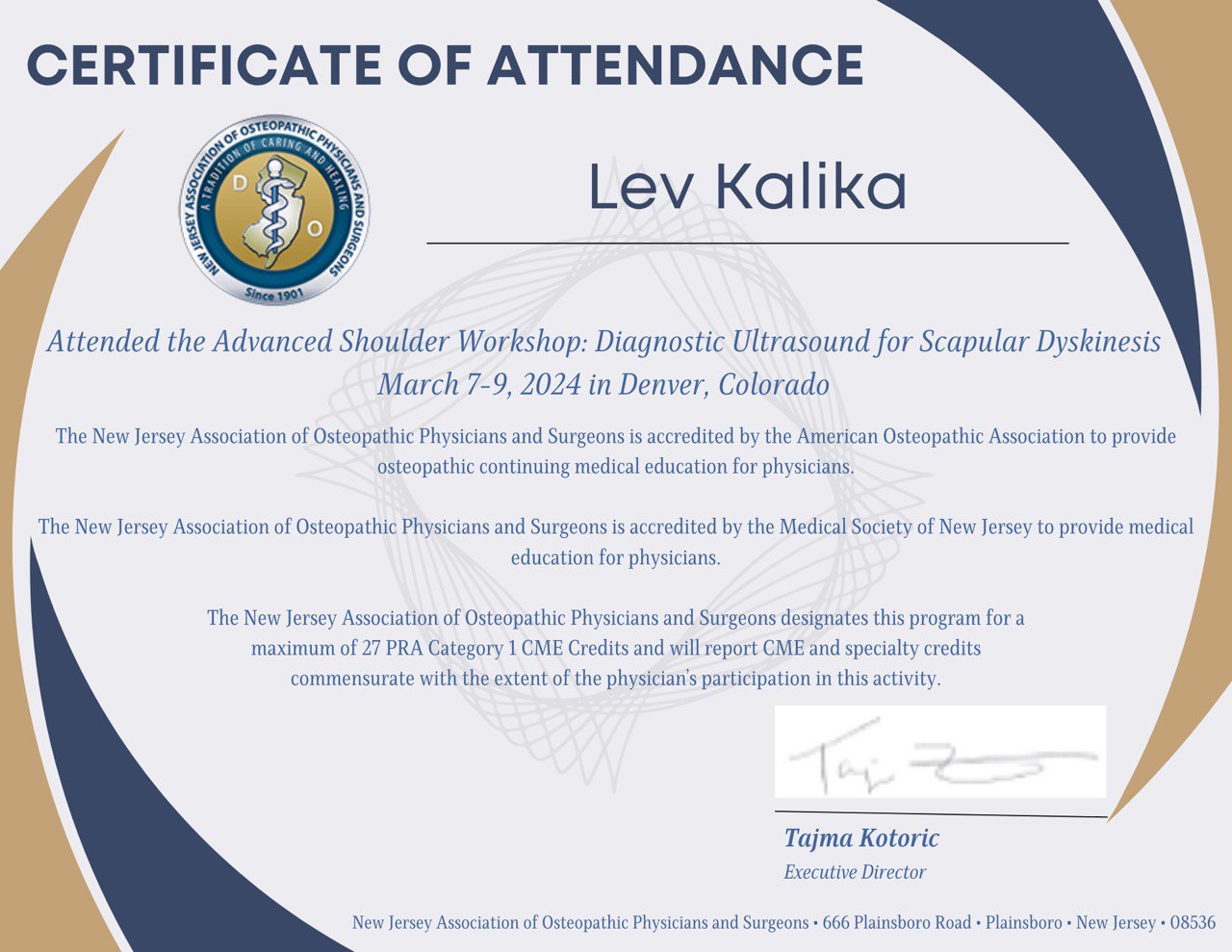
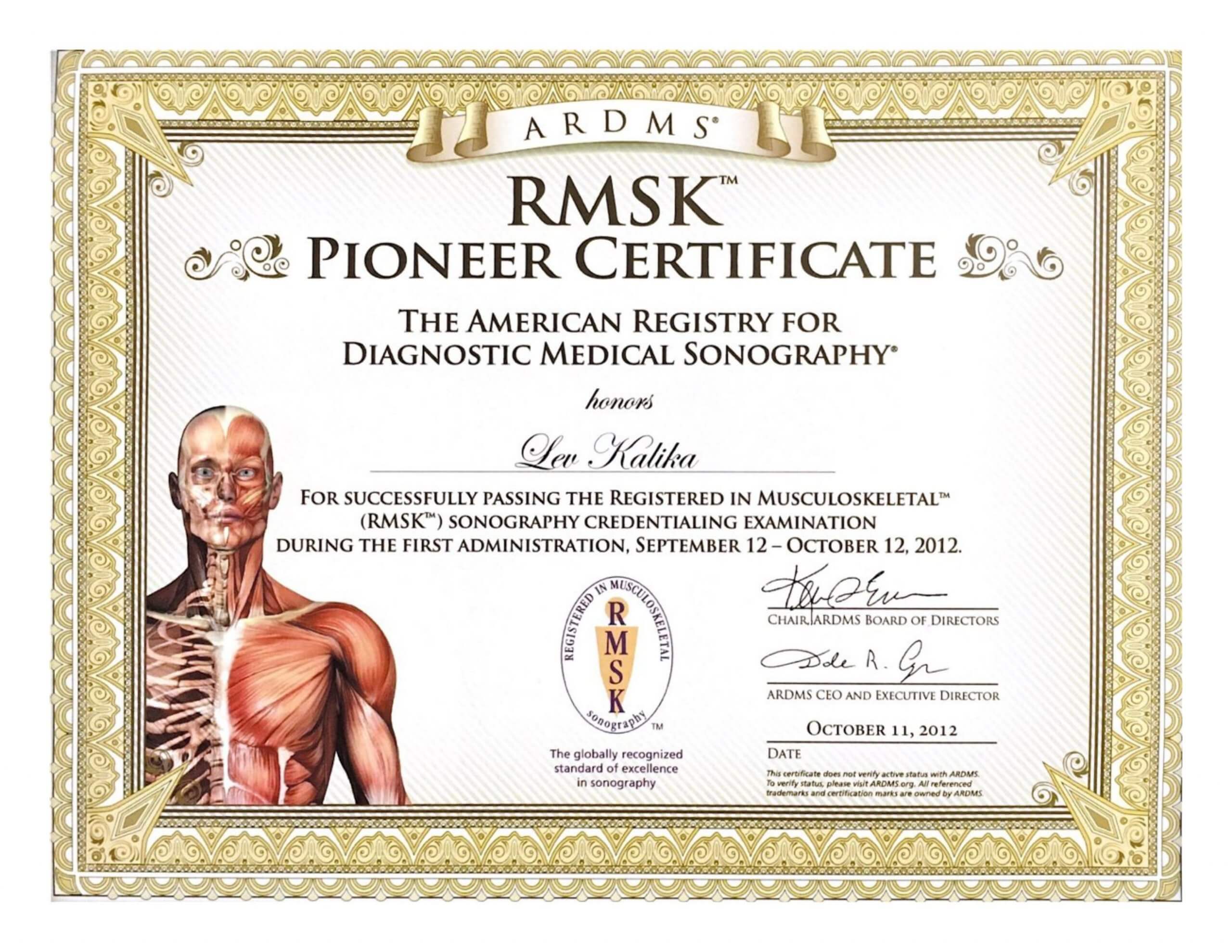
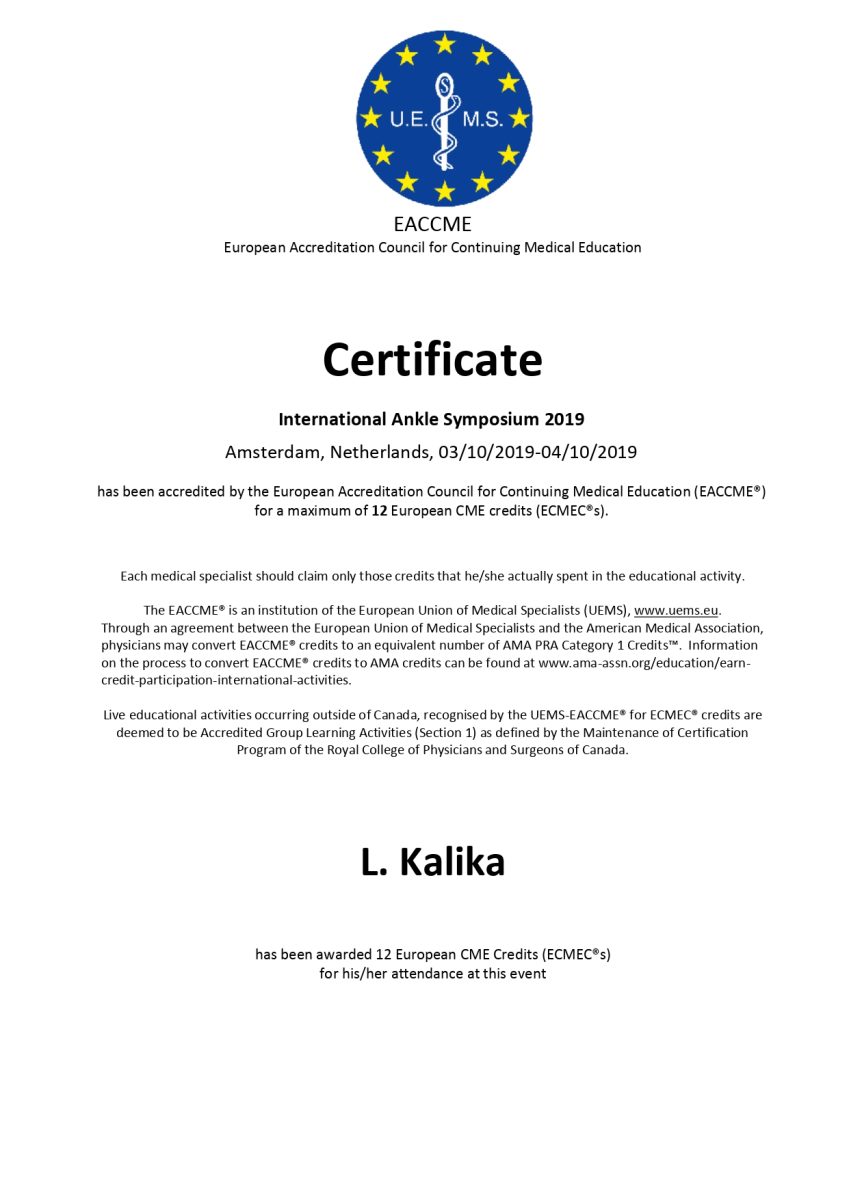
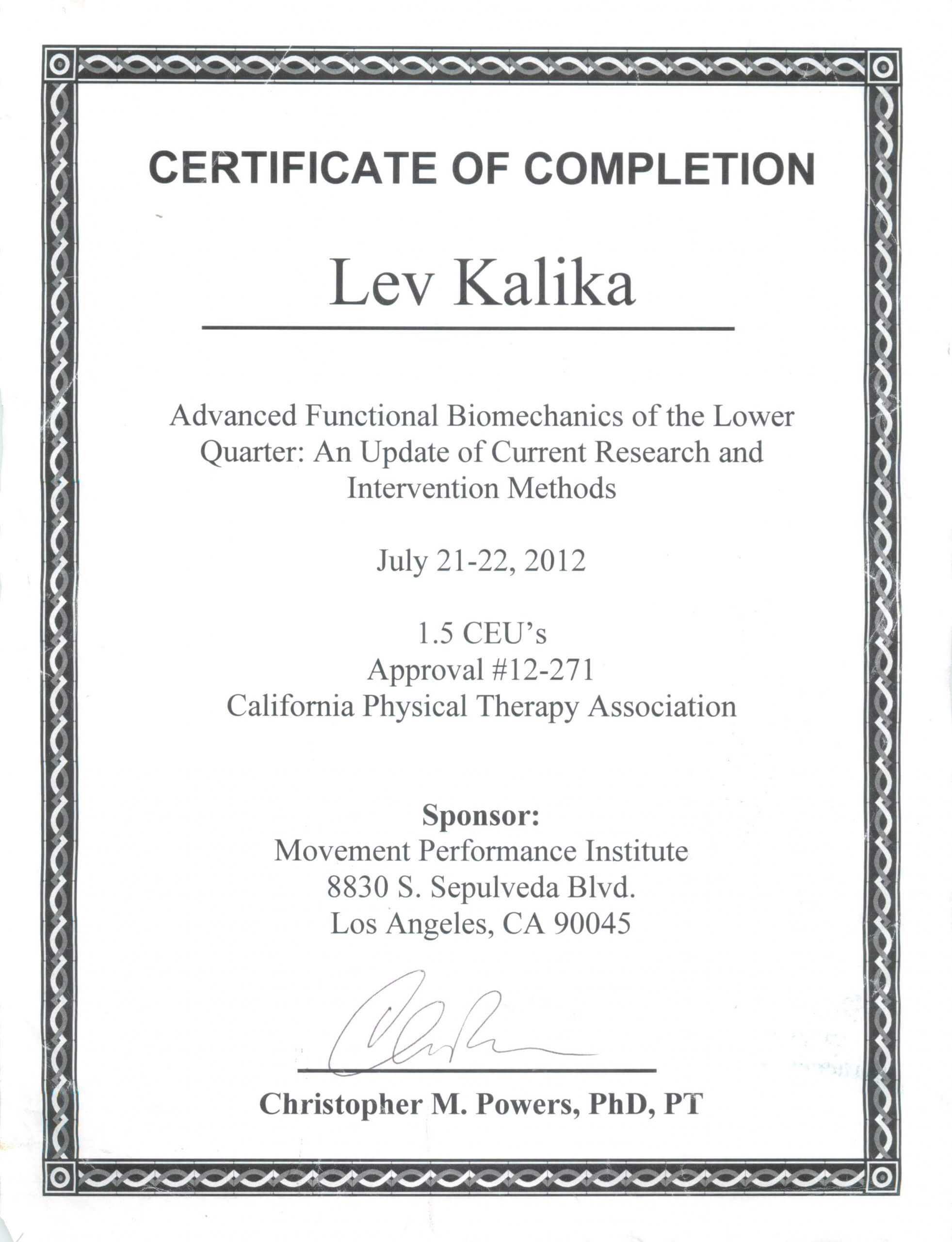
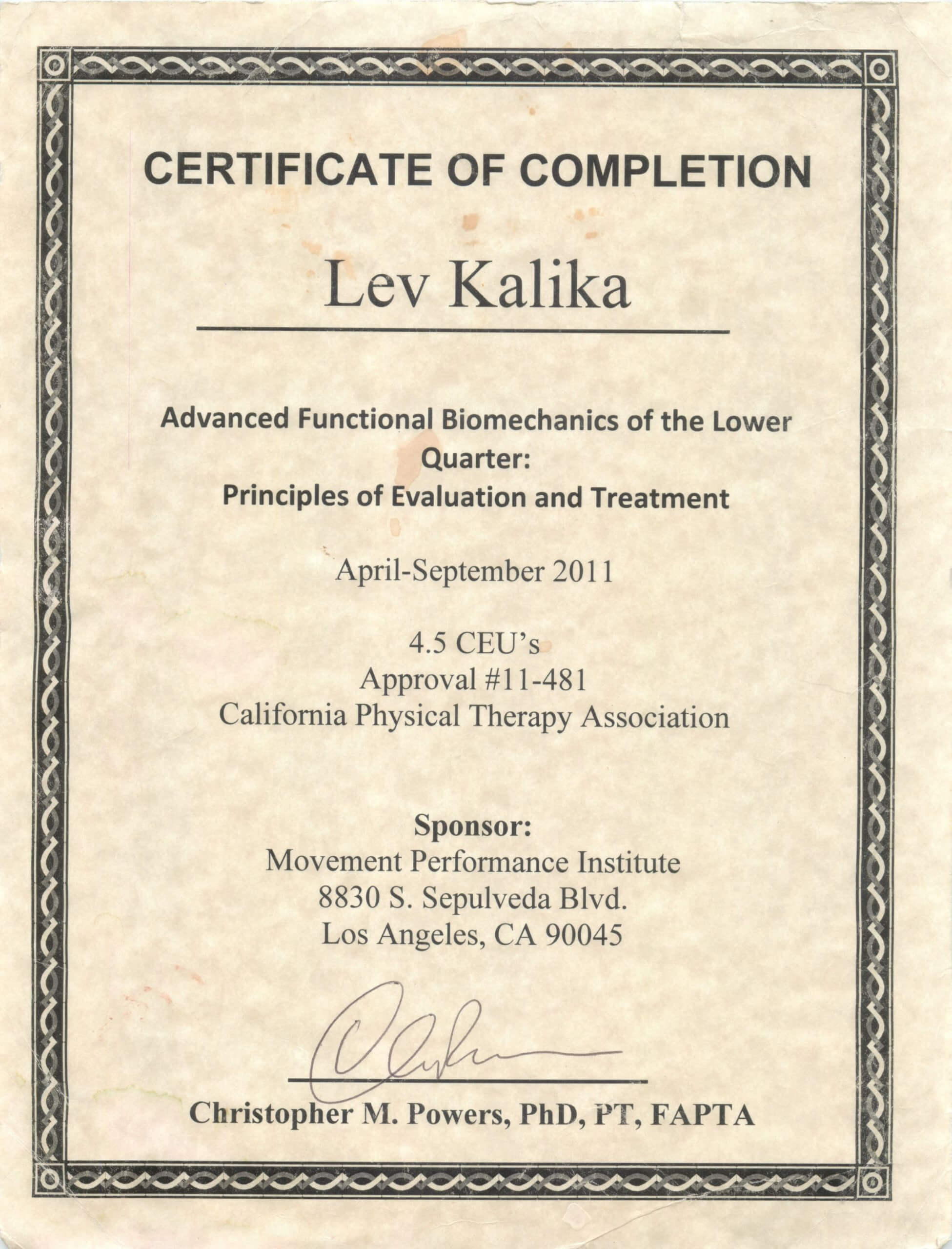
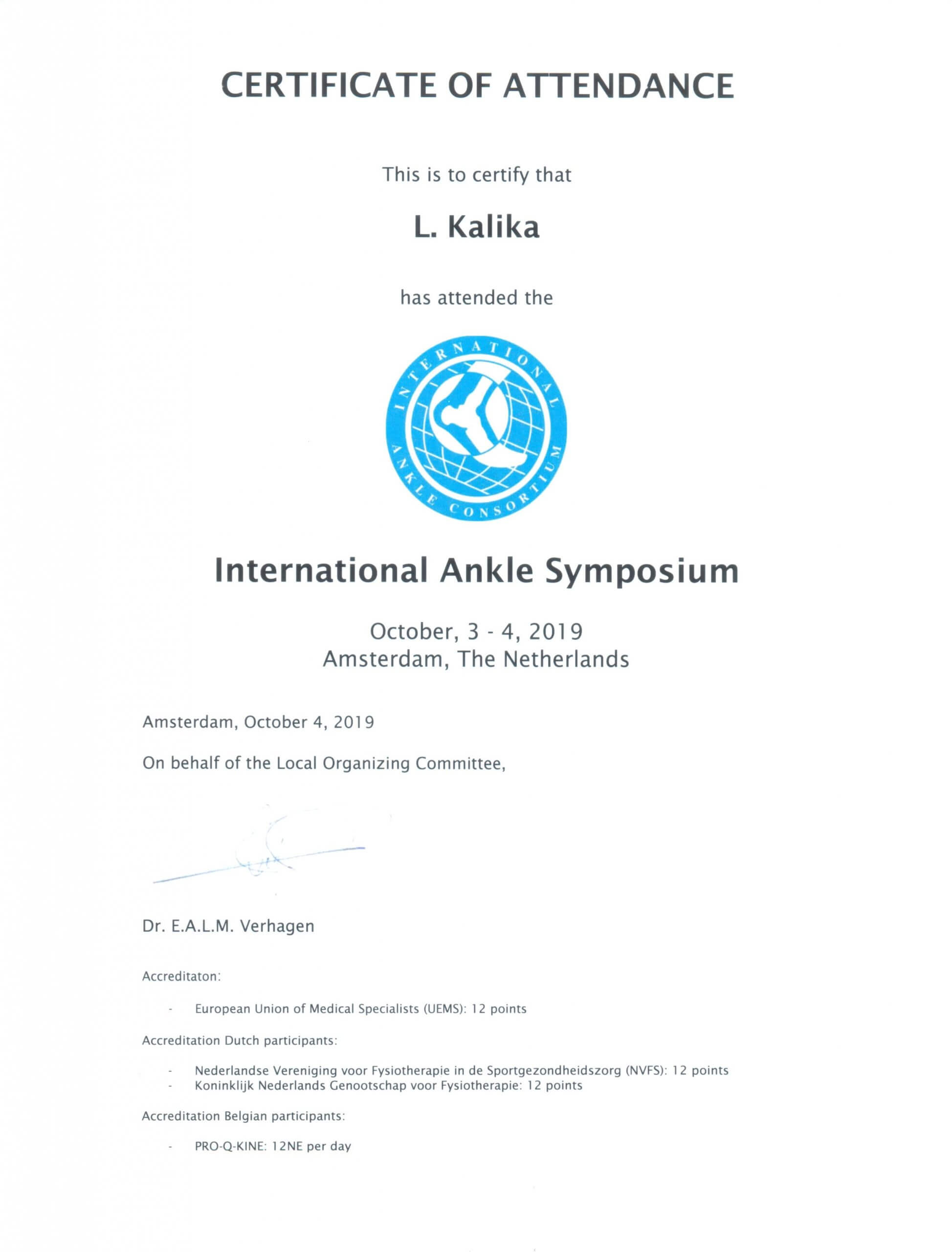
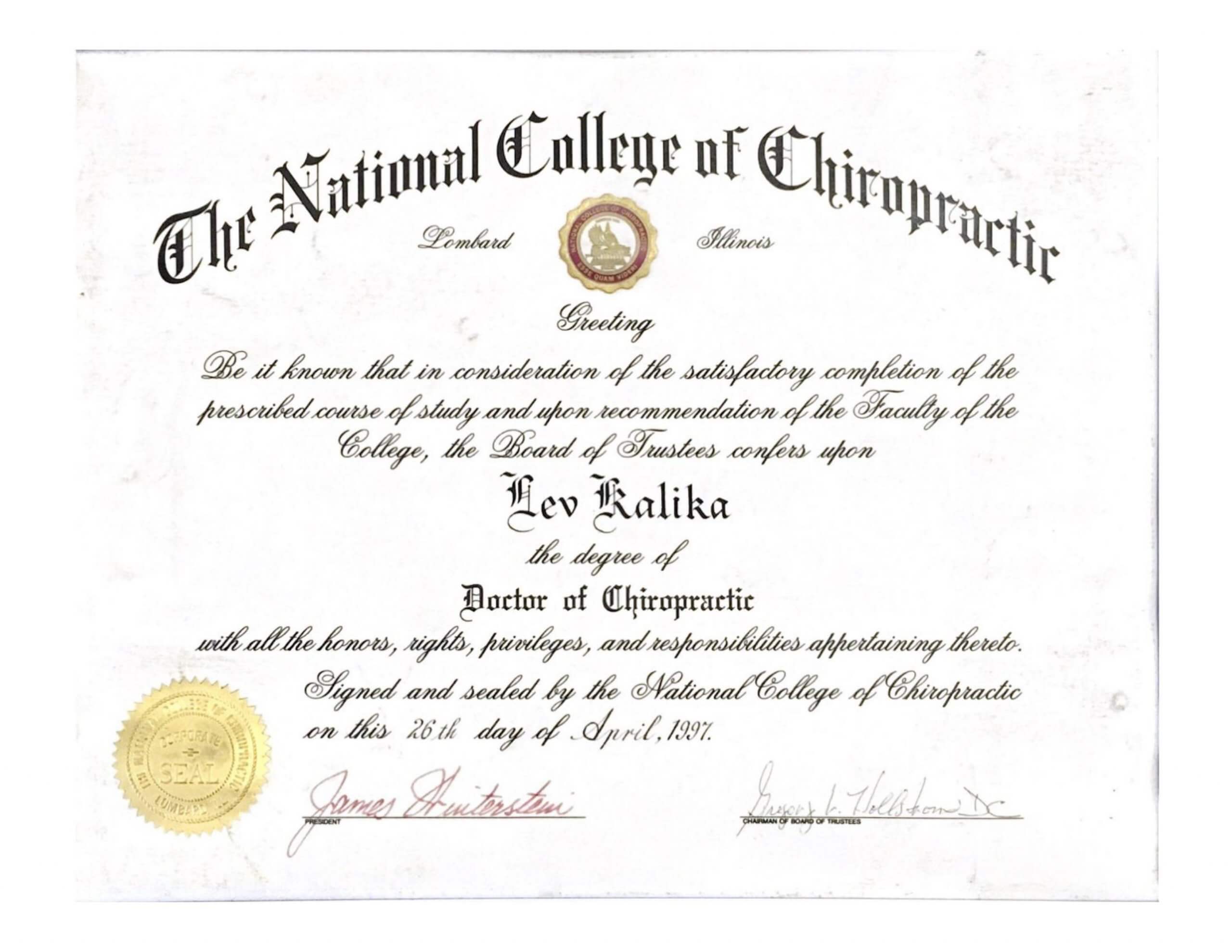
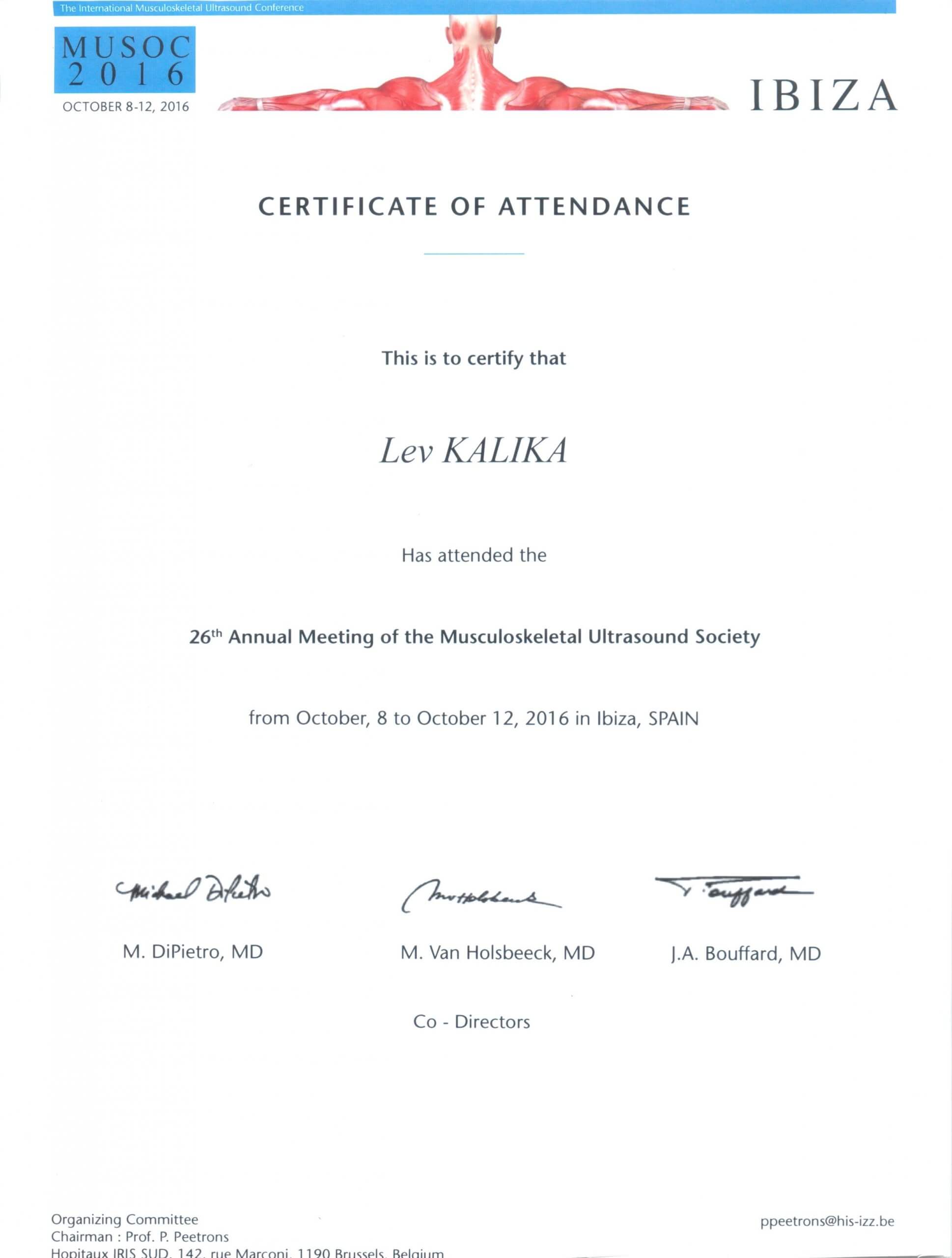
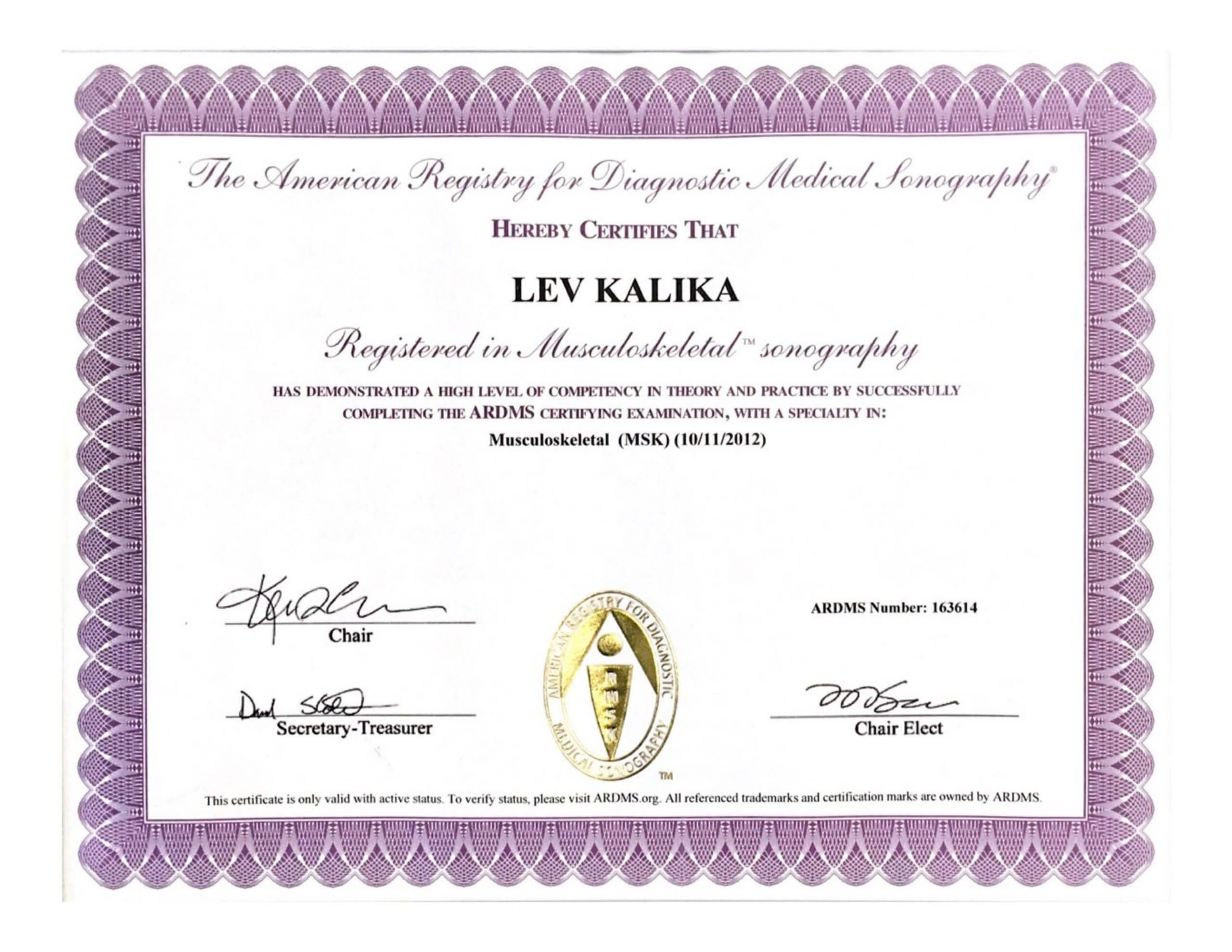
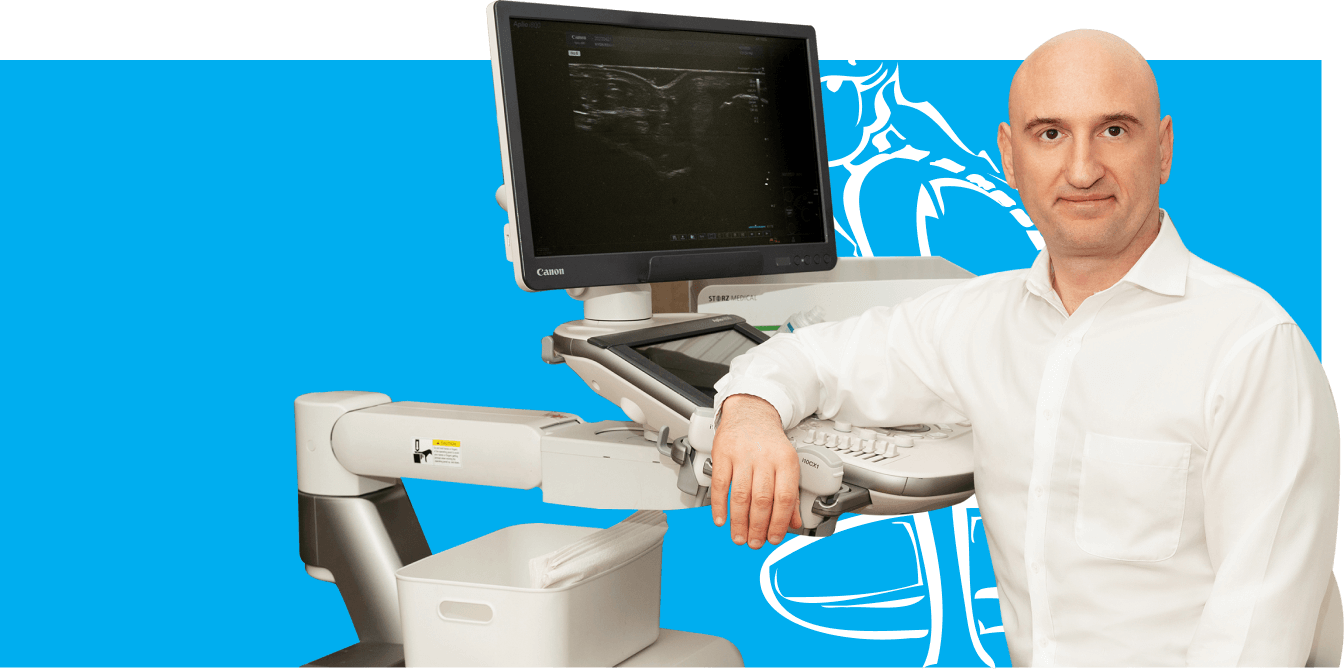
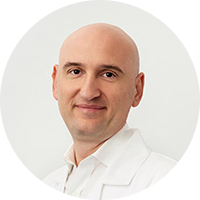
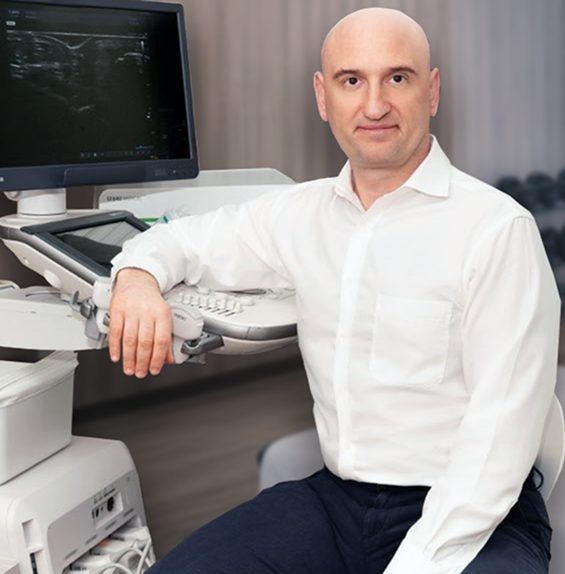
Dr. Lev Kalika, DC, RMSK, clinical director and founder of NYDNRehab, is an expert in integrative rehabilitative medicine, with 20+ years of clinical experience in diagnostic ultrasonography. In addition to operating his clinical practice in Manhattan, he regularly publishes peer-reviewed research on ultrasound-guided therapies and procedures. and frequently presents his work at international conferences.
Dr. Kalika is an active member of the American Institute of Ultrasound in Medicine (AIUM), and has developed his own unique approach to Musculoskeletal Dynamic Functional and Fascial Ultrasonography. His expertise in human anatomy and biomechanics, coupled with his skills in interpreting high-resolution ultrasound imaging, means patients at NYDNRehab get a comprehensive and accurate diagnosis that translates to successful rehabilitation.
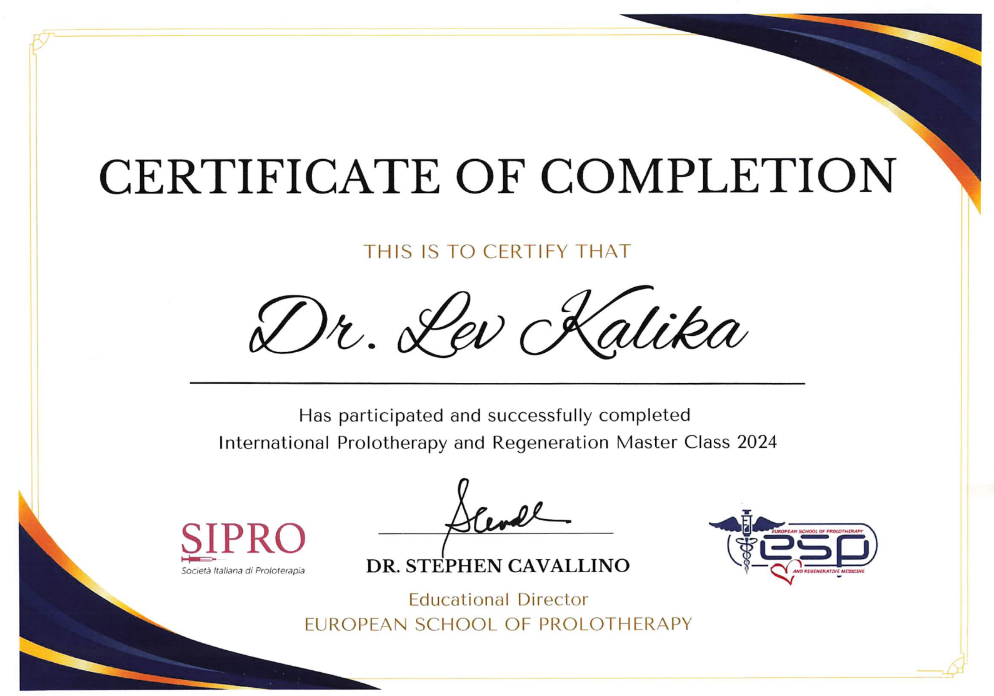
Dr. Kalika is an expert in longevity medicine, and an early pioneer in regenerative orthobiologics and energy technologies. The clinic at NYDNRehab features some of the most advanced technologies and therapies available for musculoskeletal rehabilitation.
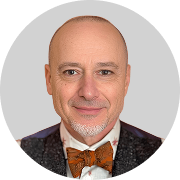
Dr. Yuri Brosgol, MD is a neurologist with 25+ years of experience in treating myofascial and pain conditions, and 15 years practicing functional medicine. As a pioneer in orthobiologics and fascial release techniques, Dr. Brosgol learned fascial hydro release methodology directly from Dr. Carla Stecco, the world’s leading specialist in fascial science. Thanks to detailed guidance by high resolution ultrasound, Dr. Brosgol’s approach to orthobiologic procedures ensures precision injections for optimal results.
By merging functional medicine protocols with orthobiologic procedures, we are able to normalize the patient’s hormones, metabolism, and gut microbiome prior to orthobiologic injections, to optimize collagen synthesis. We then introduce regenerative energy technologies to enhance and prolong the effects of orthobiologic solutions.

Daniela Escudero, DPT is a Certified Manual Physical Therapist who specializes in pelvic floor health, with an emphasis on functional movement and manual therapy. Dr. Escudero is certified in Functional Patterns Training, an innovative approach to movement optimization that emphasizes myofascial biotensegrity. Dr. Escudero is dedicated to improving the quality of life of her patients, so they can pursue their full potential without pain or dysfunction.

Dr. Tatyana Kapustina, our acupuncture specialist, earned her Master’s Degree in Acupuncture from the Pacific College of Oriental Medicine. She uses acupuncture and dry needling to optimize myofascial function and balance the autonomic nervous system.
The combined expertise of Dr. Kalika, Dr. Brosgol, Dr. Escudero and Dr. Kapustina makes NYDNRehab the clinic of choice for mobility optimization and longevity services in NYC.
Dr. Marcin Dziemianko, DPT is a physical therapist specializing in manual therapy and fascial manipulation. Dr. Dziemianko has developed his own holistic approach to integrative health, blending his expertise in anatomical science with an in-depth understanding of the human psyche, emotional processes, and energy balance.
The combined expertise of doctors Kalika, Brosgol, Escudero, Kapustina and Dziemianko makes NYDNRehab the clinic of choice for mobility optimization and longevity services in NYC.
Longevity and Mobility Go Hand in Hand
A simplistic definition of longevity is the number of years from birth to death, but it is important to distinguish longevity from lifespan. Longevity not only encompasses how long you live, but how well you live. People spend years or even decades in a state of poor health, marked by disability, metabolic disorders, chronic pain, and declining cognition. While such symptoms are sometimes unavoidable, they are most often brought on by lifestyle choices.
Modern advancements in medicine and hygiene have made it possible for people to live longer, but often with a poor quality of life. Many people accept declining health as a natural part of aging. Aches and pains, reduced mobility, metabolic disorders and chronic fatigue are all brushed off as signs of passing time. But you have more control over symptoms of aging than you may realize.
It’s never too late to improve your health – not with drugs and medical interventions, but with practical lifestyle modifications and daily activities that impact your mobility and longevity. By enhancing mobility, you set in motion multiple biological processes that slow the aging process and prolong your healthspan.

Energy Production
Mitochondria are organelles located in every cell – often referred to as the cells’ powerhouses – where energy is produced via aerobic metabolism. The end product of aerobic metabolism is ATP – the energy molecule – and your capacity to produce ATP depends on the size and number of mitochondria in each cell.
Mitochondria are highly adaptable to energy demands, and such adaptations are governed by movement. In essence, the more you move, the greater your capacity to produce energy. Regular exercise – especially endurance training – enhances your mitochondrial profile, leading to reduced fatigue, enhanced aerobic capacity, and better metabolic health.

Musculoskeletal System
Sarcopenia – the loss of lean muscle mass – is a key marker of aging. Movement that loads and challenges the muscles improves strength and increases muscle size. At the same time, weight-bearing exercise increases bone mineral density, warding off bone-wasting osteoporosis. Exercise that takes the joints through their functional range of motion reduces joint pain and stiffness and enhances flexibility. Flexible joints are less prone to injury, and when supported by strong muscles, joints become more stable, reducing your risk of falls.
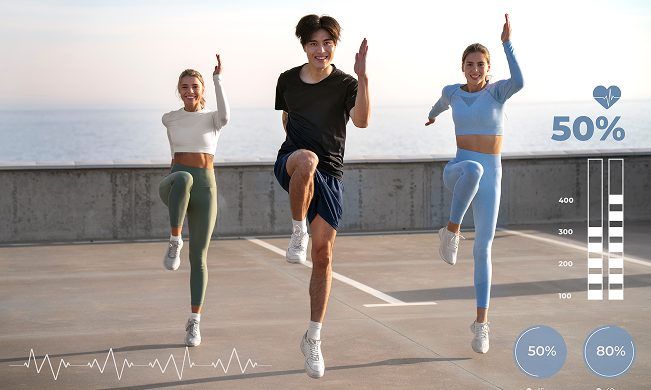
Cardiovascular System
Physical mobility increases stress on your heart as the working muscles and mitochondria demand more oxygen. The more you move, the more efficient your heart and vascular system become. Your heart muscle becomes thicker and stronger, able to deliver more oxygenated blood to your cells with less effort. Your arteries also grow stronger and more pliable, able to constrict and dilate based on demand from various parts of the body.
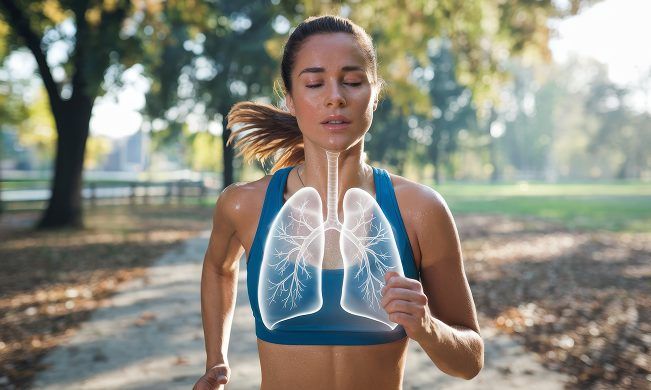
Respiratory System
Increased movement increases oxygen demand, causing you to breathe faster and more deeply. Your lungs adapt to regular physical activity by increasing your total lung capacity and enhancing the efficiency of O2/CO2 exchange. Healthy lungs are more resistant to infections, environmental toxins, and respiratory disorders.
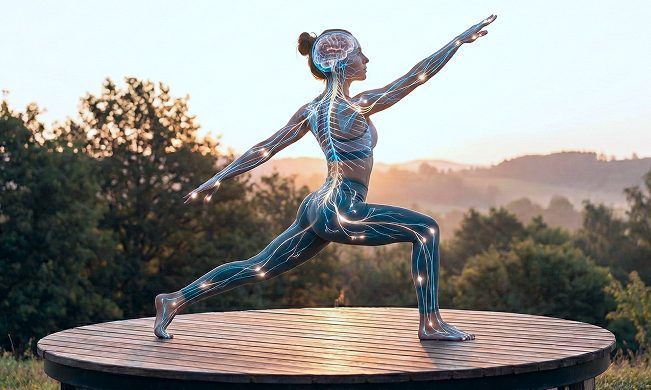
Nervous System
Mobility improves the ability of your neural bodies to communicate with your brain and promotes neuromuscular synchronization. It improves coordination and balance by enhancing sensory feedback from your joints and muscles., Mobility is also essential to cognitive function, reducing your risk of neurodegenerative disorders like dementia and Alzheimer’s disease.

Integumentary (Skin) System
Physical mobility enhances skin oxygenation and hydration, promotes cell neogenesis, and increases collagen production. It also reduces inflammation that causes puffiness.
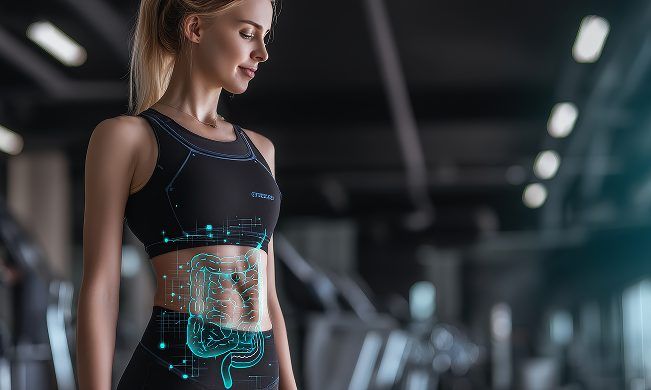
Metabolic and Endocrine Systems
Physical mobility dramatically enhances metabolism and wards off metabolic disorders like chronic systemic inflammation, poor glucose regulation, and excess body fat. It supports hormonal balance and promotes autophagy – the process of cell turnover and repair. Autophagy plays into improved metabolic health, muscle adaptation, reduced inflammation, and enhanced longevity.
Immune System
Physical mobility helps to distribute immune cells throughout the body and stimulates the drainage of lymphatic fluid, keeping infectious pathogens at bay.
Factors that Impair Functional Mobility
While certain processes of aging are driven by the natural decline of reproductive hormones through middle age and beyond, many common symptoms of aging are related to cultural, social, environmental, and lifestyle factors that govern our daily habits and reduce our functional mobility.
Common factors that lead to impaired mobility include:

- Obesity and related metabolic disorders. Obesity is both a cause and a consequence of reduced mobility, closely tied to metabolic dysfunction and joint overload.
- Sedentary lifestyle and excessive sitting. The less you move, the faster you age as your body’s systems begin to dysfunction from lack of use. The human body is designed to move and work, and its systems adapt positively when challenged.
- Injuries that were inadequately rehabilitated. Old injuries can alter muscle firing patterns, derailing optimal force distribution. Over time, joints become misaligned, creating postural and mechanical problems that wear away at tissues.
- Imbalanced repetitive movement patterns. Certain sports and occupations – golf or nursing, for example – place uneven loads on the body’s structures, forcing it to compensate with altered mechanics. This generates muscle imbalances that reduce movement efficiency.
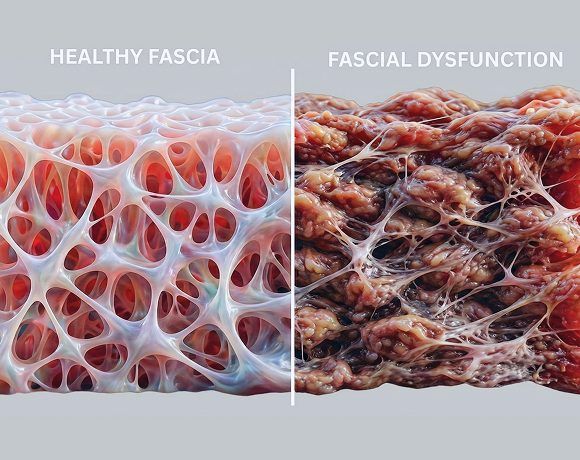
- Fascial dysfunction. Fascia is a body-wide network of slippery and elastic connective tissue that holds structures and organs in place, and guides and controls movement. Its lubricating properties allow the body’s tissues and neurovascular structures to glide without friction. When damaged, fascia can become dense and sticky, adhering to other structures, inhibiting muscle action, and preventing nerves and blood vessels from gliding.
- Lifestyle factors like poor diet, chronic dehydration, sleep disruptions, chronic stress, and social isolation can all contribute to reduced mobility.
At NYDNRehab, we consider all factors that are keeping you from enjoying pain-free functional mobility. All of the above-listed factors are modifiable and treatable, and we possess the tools and expertise to help you achieve your highest potential for mobility and longevity.
Assessing Functional Mobility
At NYDNRehab, all of our therapeutic approaches are customized, based on the unique needs of the individual patient. In order to optimize your mobility, we first need to establish a quantitative baseline and create a personalized mobility profile. We do so by measuring specific metrics related to mobility, and by scanning the body to identify abnormalities that interfere with efficient movement.
High-Resolution Diagnostic Ultrasound
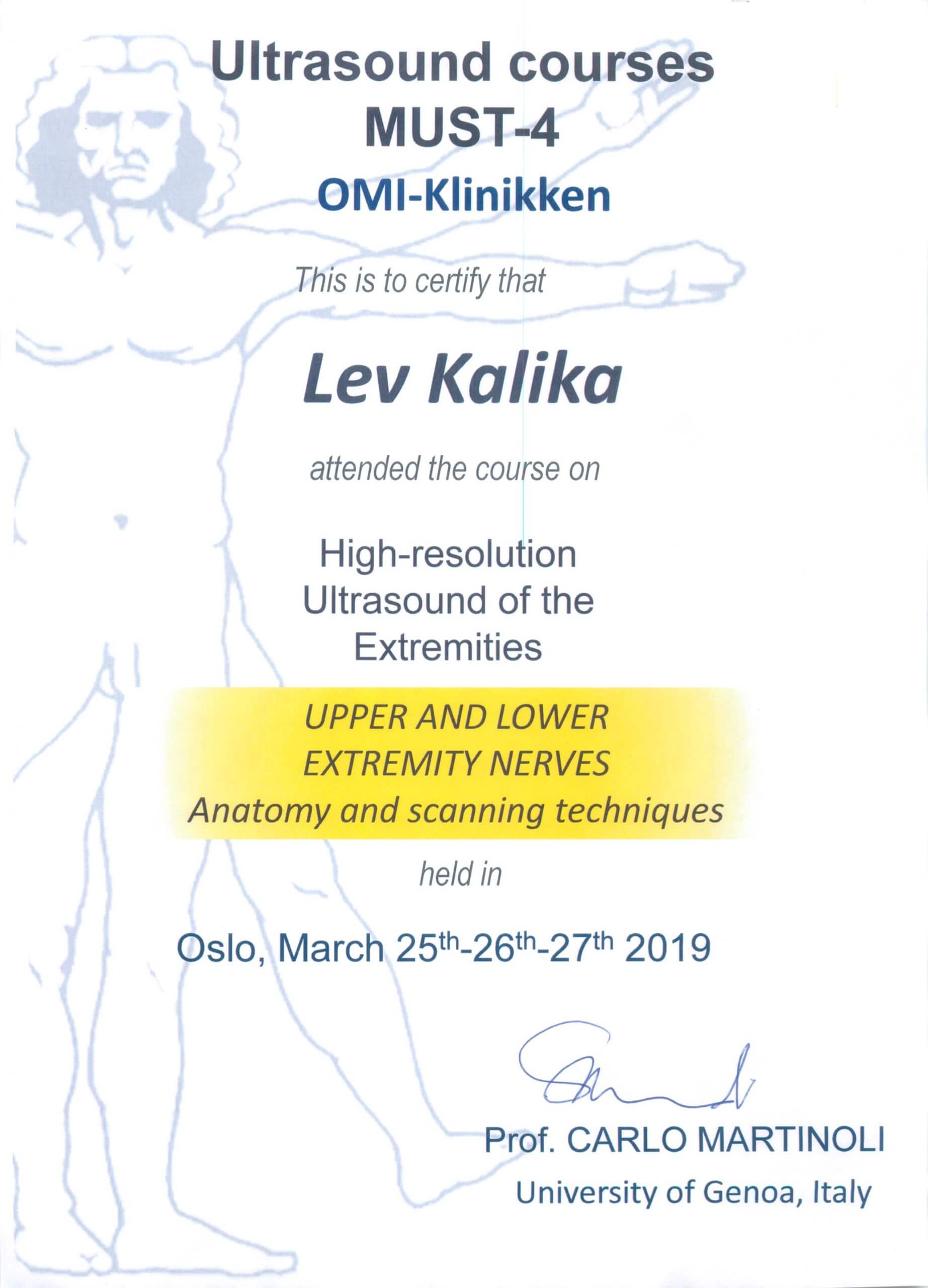
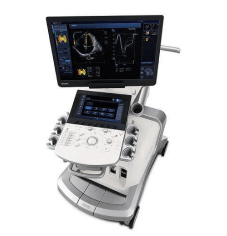
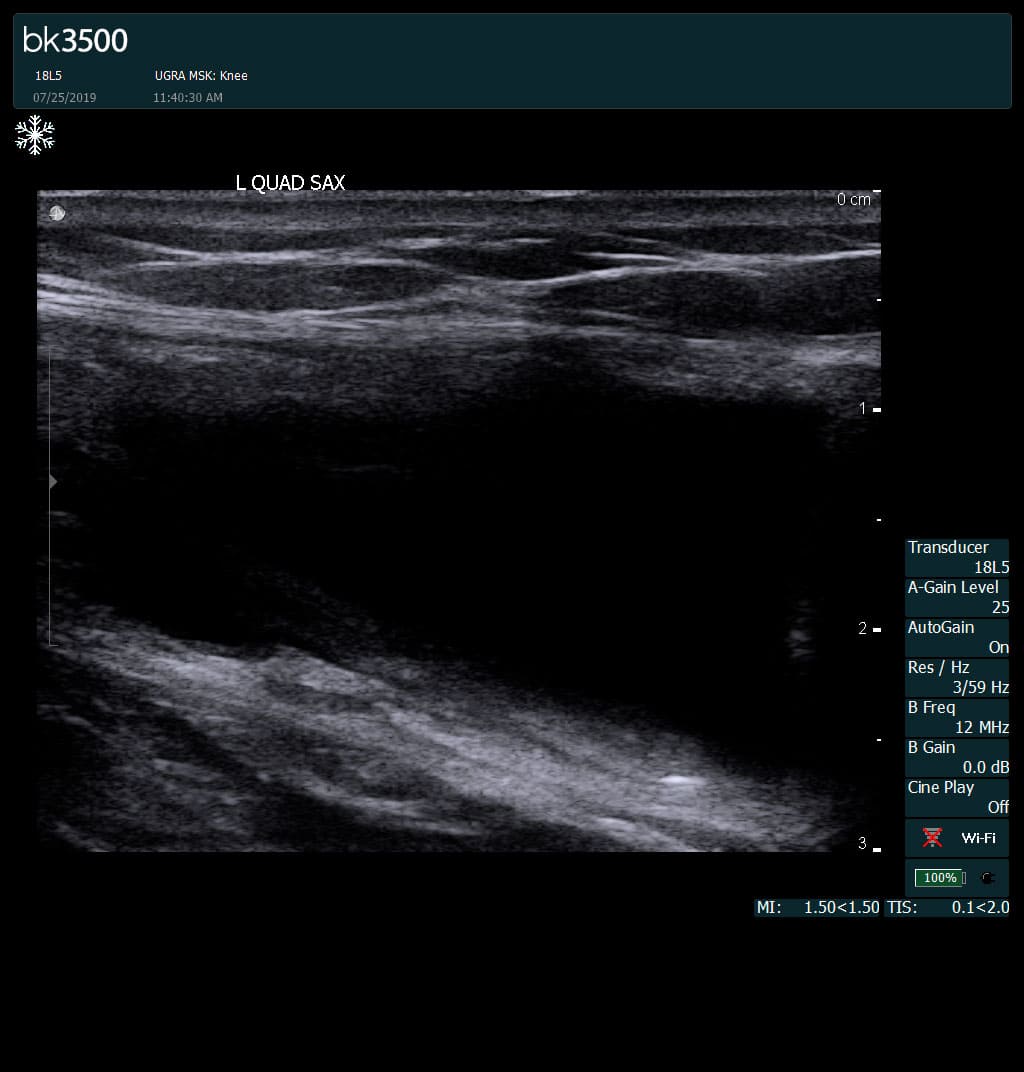
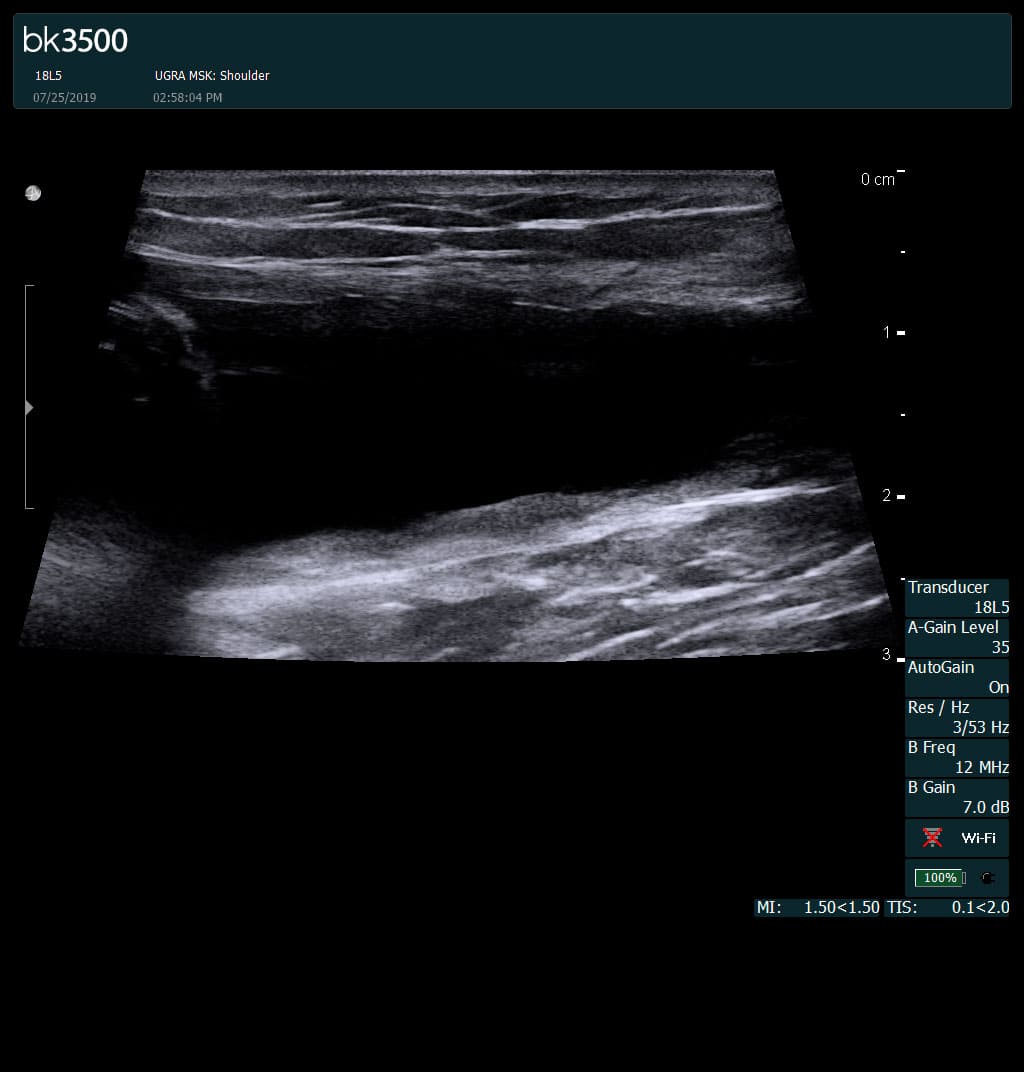
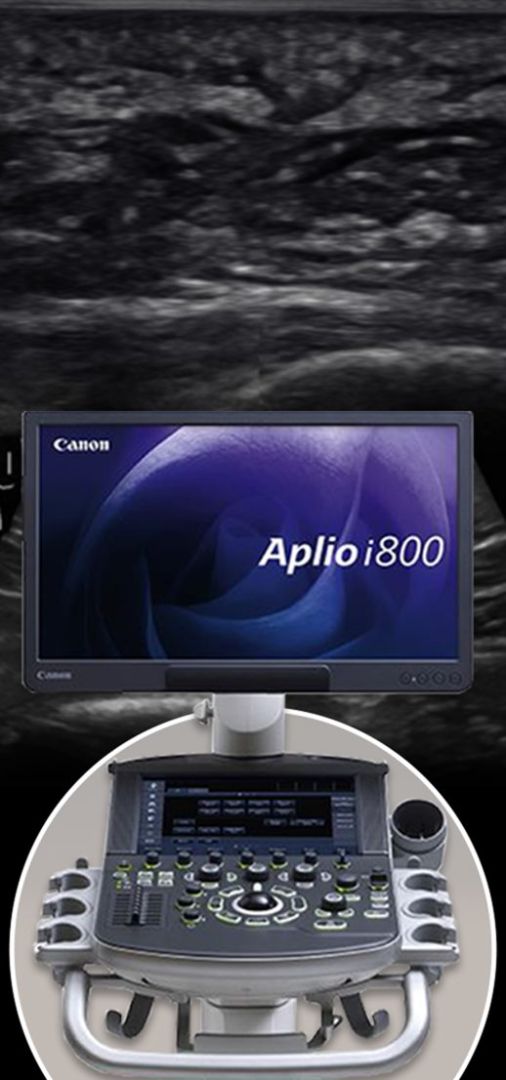
Your journey to greater longevity begins with a comprehensive exam using high-resolution diagnostic ultrasonography. Dr. Kalika’s in-depth knowledge of human anatomy and his expertise in diagnostic ultrasound ensure that each patient receives accurate and detailed results.
Ultrasound imaging enables us to:
- Dynamically visualize the body’s tissues and structures in real time
- View multiple areas in a single session
- Compare the injured and non-injured sides of the body
- Elicit patient feedback during the exam
- Test for tissue stiffness via sonoelastography
- Look for early signs of healing via superb microvascular imaging
- Track patient progress in response to treatment
- Provide a feedback tool for retraining disrupted muscle coordination patterns
Your ultrasound exam takes place on-site, on your first visit, with no waiting for lab results. Once we have a comprehensive profile, we create a personalized treatment protocol, based on your individual results.
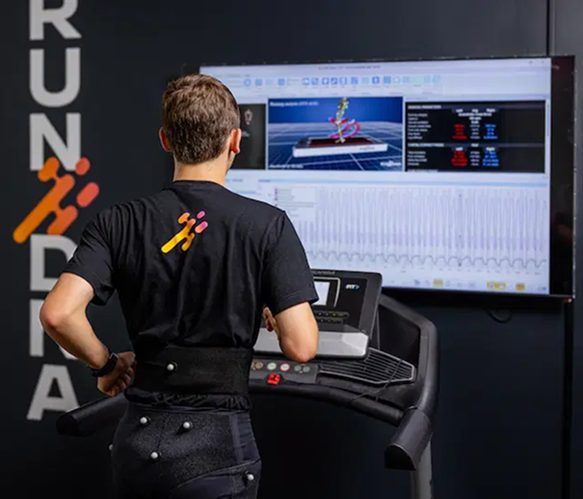
3D walking and running gait analysis
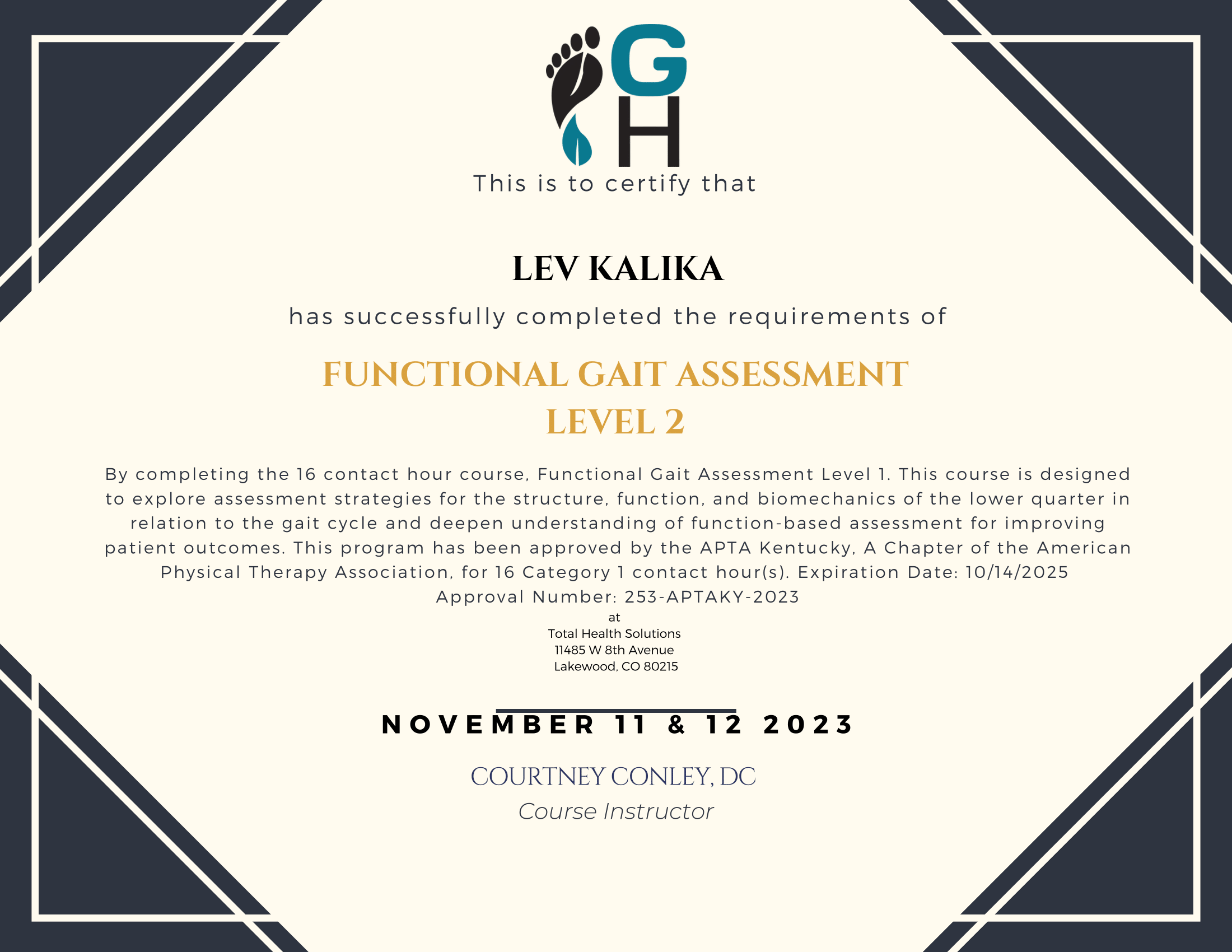
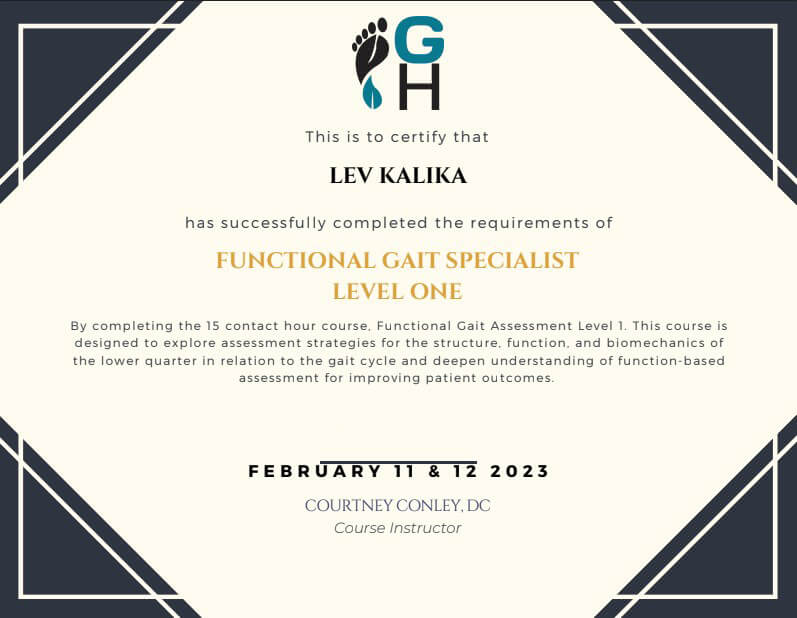
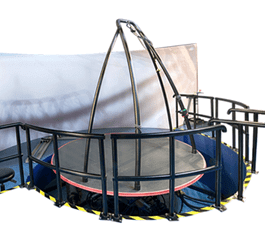
Your walking and/or running gait speaks volumes about your overall mobility. By carefully analyzing specific gait parameters in all 3 planes of motion, we are able to identify factors that affect movement and alignment along the entire kinetic chain. Unlike observational gait analysis in two dimensions, our high-tech lab is equipped with the most advanced technologies available for precisely measuring and analyzing your gait, providing us with a personalized baseline for charting your progress.
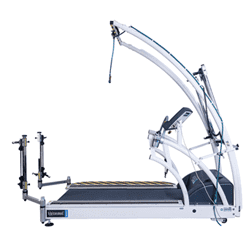
Our one-of-a-kind instrumented treadmill measures intrinsic foot mechanics during running – a feature not available with other gait analysis systems. It uses sensors to capture ground reaction forces and pressure distribution across the foot. We pair our 3D motion capture system with multiple cameras, to give us a detailed analysis of gait mechanics.
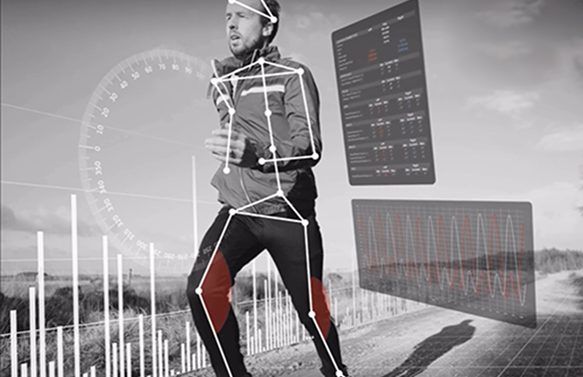
3D biomechanical analysis
Inefficient biomechanics during sports, exercise, and occupational activities are key contributors to reduced mobility. By identifying and objectifying critical inefficiencies, we are able to correct common mechanical errors, fine-tune sport-specific skills, and optimize physical performance.
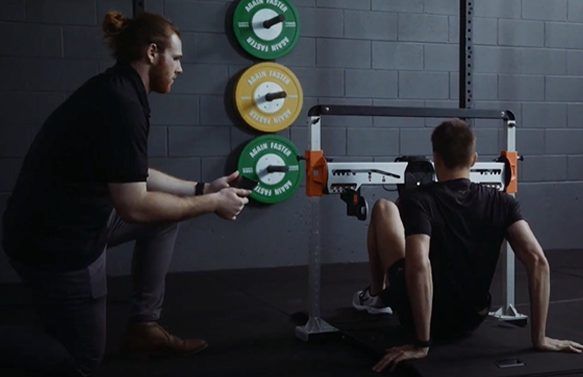
ForceFrame
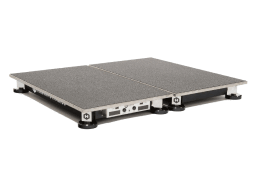
Most people develop muscle imbalances and compensation patterns over time that reduce movement efficiency. ForceFrame lets us test individual muscle groups on both sides of the body for strength and symmetry, helping us to identify and address asymmetrical muscle tension, inefficient muscle firing patterns, and compensation patterns developed from past injuries.
ShowMotion
ShowMotion is an objective tool for joint movement analysis that uses motion tracking sensors, placed on the patient’s skin to collect data about movement quality. The collected information provides valuable insights about inefficient movement patterns, compensation patterns, and improvements in movement in response to treatment, enabling us to personalize your physical therapy.
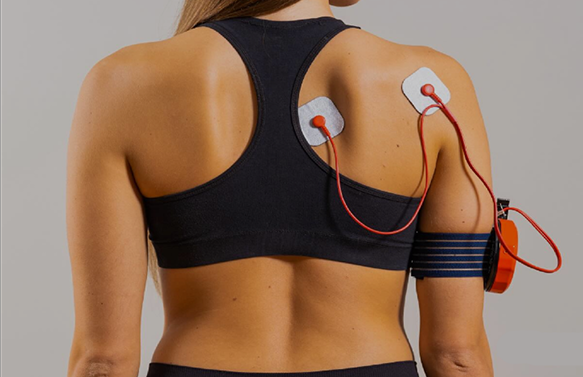
Neuralign
The Neuralign Shoulder Pacemaker is a shoulder rehabilitation device with a kinematic sensor activated by movement. The patient dynamically interacts with the device to stimulate efficient muscle recruitment patterns, enhance movement quality, and restore optimal muscle balance during rehabilitation. The sensor provides objective data that supports decision-making about your personalized physical therapy protocol.
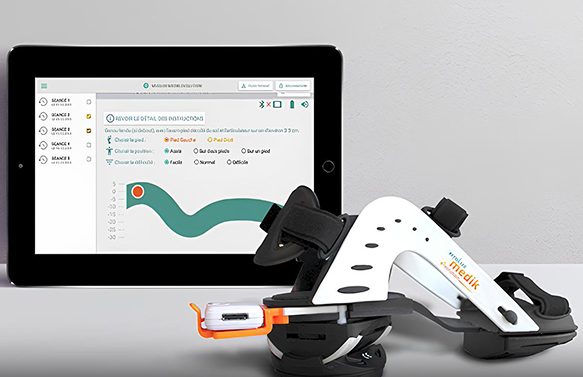
Myolux
The Myolux system is used to test and assess ankle proprioception. Its envelope of function accurately measures the upper and lower thresholds of load that the ankle can tolerate. Myolux also serves as a re-education device to restore efficient muscle activation patterns that have been disrupted by injury.
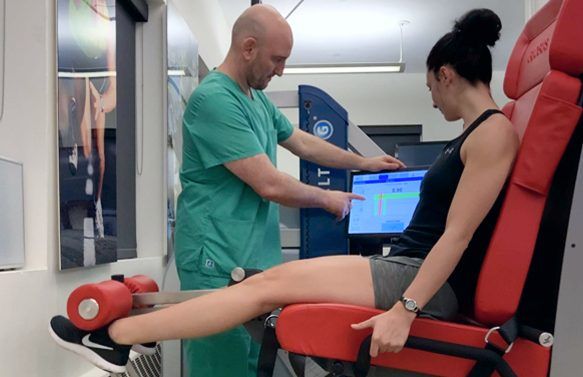
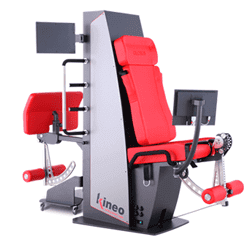
KINEO Intelligent Load
KINEO is a computerized system that objectively analyzes muscle function and strength. With KINEO, muscle deficits can be objectively evaluated and quantified, providing a baseline to monitor your progress, and offering multiple training modalities to improve your performance. KINEO’s variable resistance system lets us design a personalized variable load curve based on the needs of the individual patient.
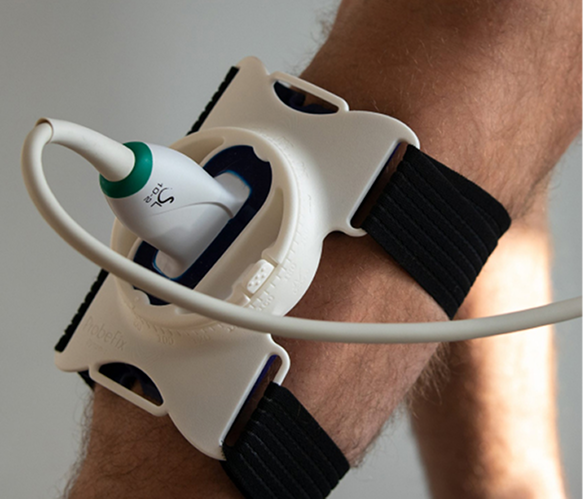
Dynamic Motion Ultrasonography
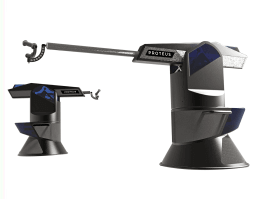
USONO dynamic ultrasonography lets us observe the joints and muscles in motion via its wearable ProbeFix device during sport-specific actions. Motion ultrasonography lets us distinguish between causative versus compensatory factors, a key advantage when assessing and treating athletic injuries.
UNOSO can be synced with our motion capture cameras to produce 3D images of muscles, fascia, bones and joints during physical activity. This game-changing technology gives us a huge advantage for diagnosing mechanical inefficiencies and restoring optimal biomechanics.
Optimizing Mobility at NYDNRehab
Once we have thoroughly analyzed your movement quality and identified areas for improvement, we leverage our arsenal of advanced technologies and therapies to provide customized treatment. Your mobility enhancement program consists of more than just exercises and stretches – it encompasses repair of damaged tissues, restoration of fascial gliding, elimination of myofascial trigger points, rehabilitation of old injuries, and more. We carefully monitor your progress to ensure our protocols are achieving their intended outcomes.
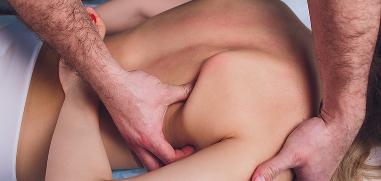
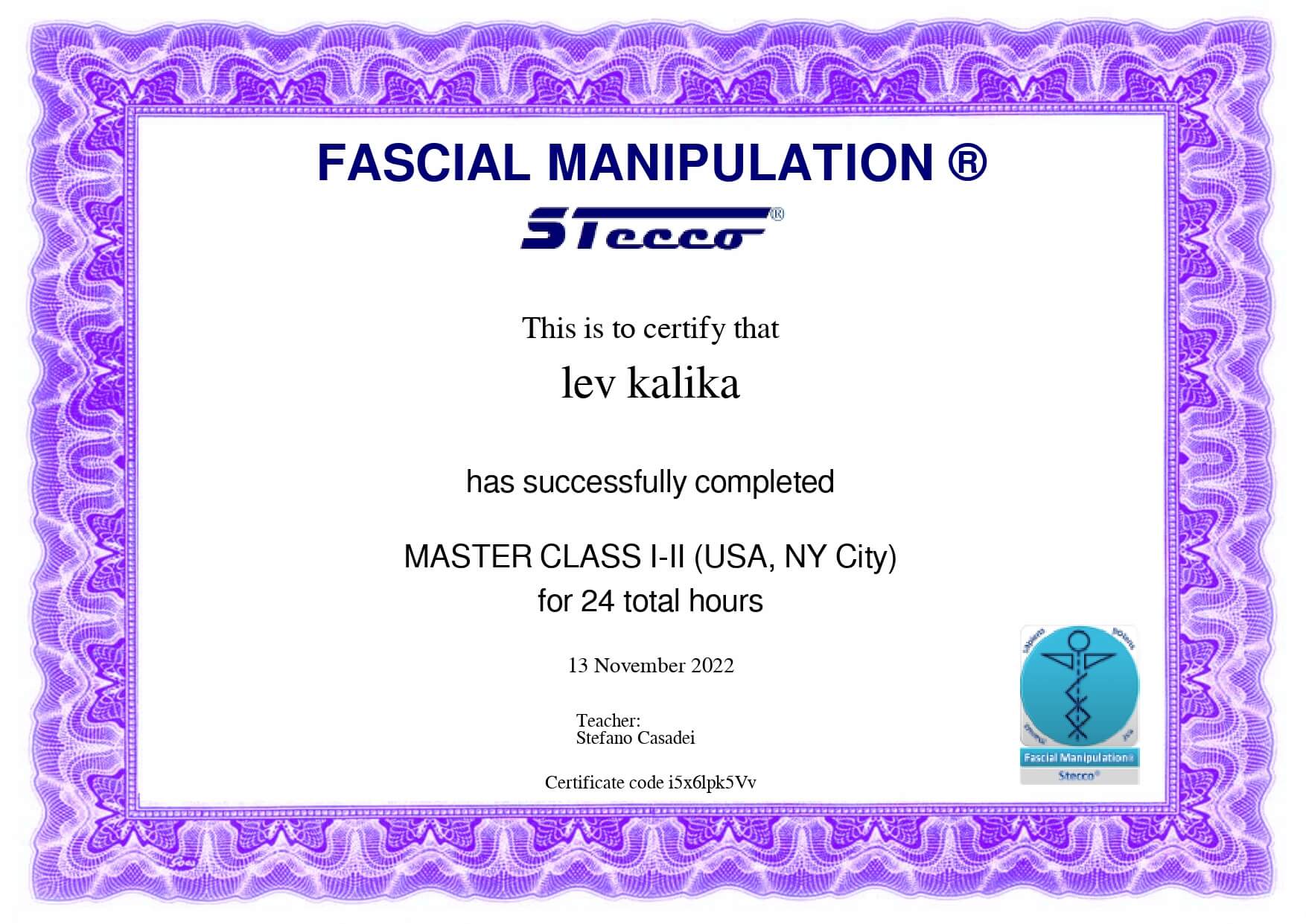
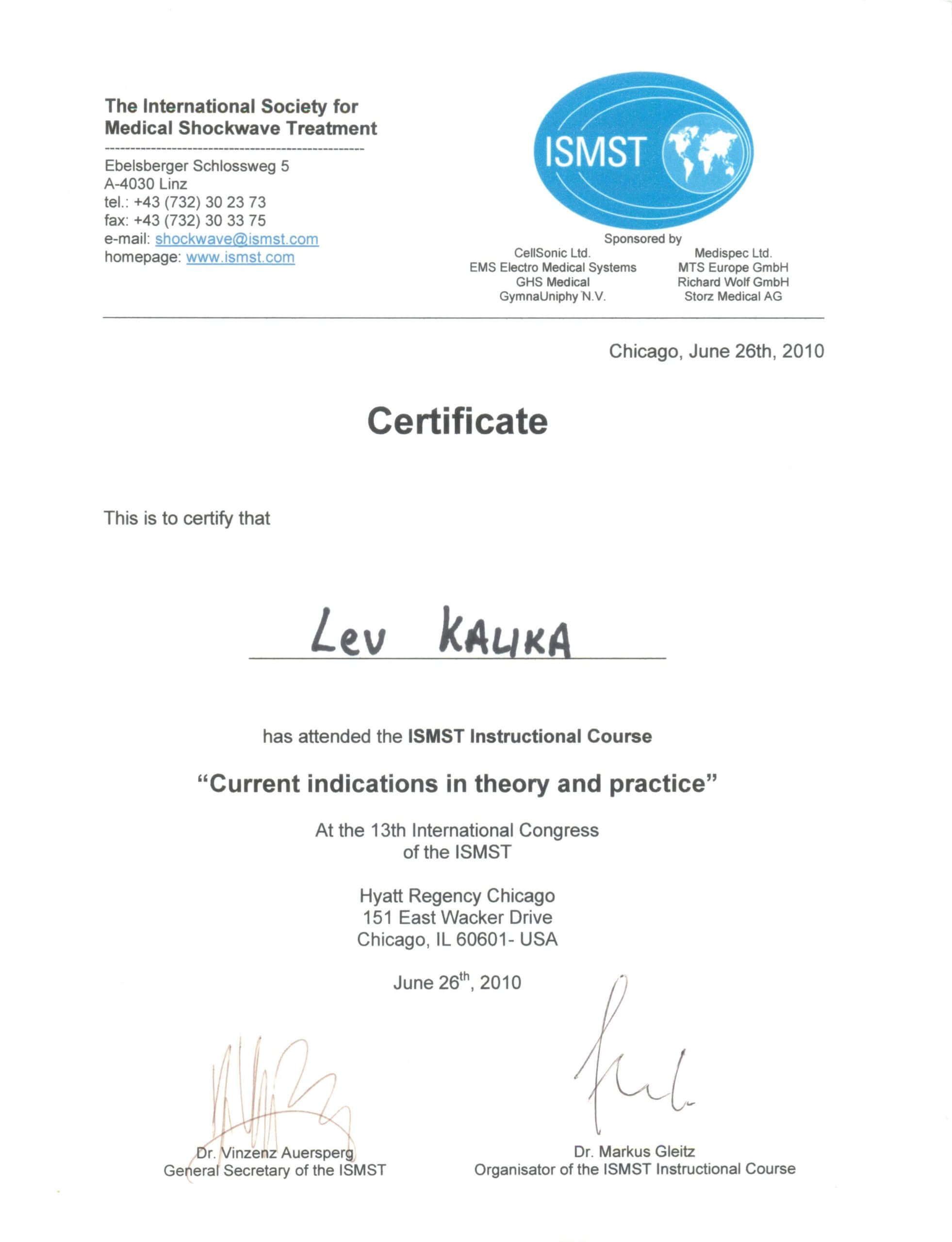
Stecco fascial manipulation is a highly systematic approach that causes dysfunctional fascial layers to heat up, stretch, and separate, restoring their functional properties. The Stecco method reactivates sensory receptors within the fascia, recalibrating the neuromuscular system and restoring efficient motor control. It also influences the neurohumeral, paracrine, hormonal, and visceral-somatic systems, supporting whole body regulation. We often pair Stecco with shockwave therapy to enhance hydration of the fascial layers.
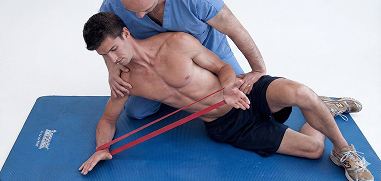
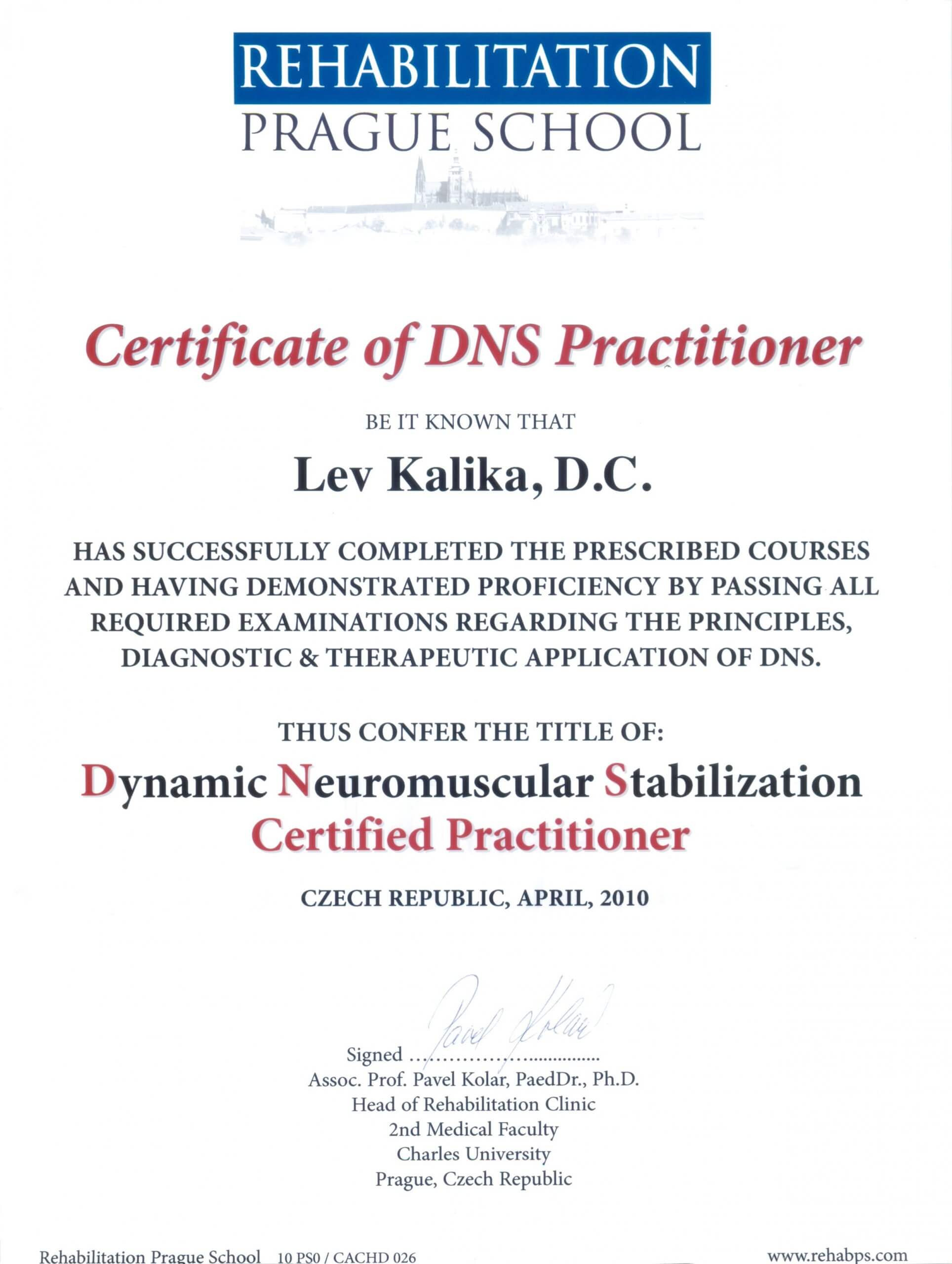
Dynamic neuromuscular stabilization (DNS) is a specific technique that taps into your body’s innate developmental motor strategies, developed during the first year of life. Over time, repetitive overuse, asymmetrical motor patterns, injuries, and sedentary lifestyles can alter coordinated muscle recruitment patterns, causing pain, dysfunction and reduced mobility. DNS essentially retrains efficient movement patterns that your body has forgotten over time. It helps you connect breathing and movement, and enhances your ability to stabilize your spine and joints.

Conventional exercises target isolated muscle groups with the goal of improving strength and symmetry, but real-life movements recruit multiple muscle groups in coordinated firing sequences. Functional Patterns Training is aimed at enhancing movement efficiency in ways that align with the body’s unique biological blueprint.
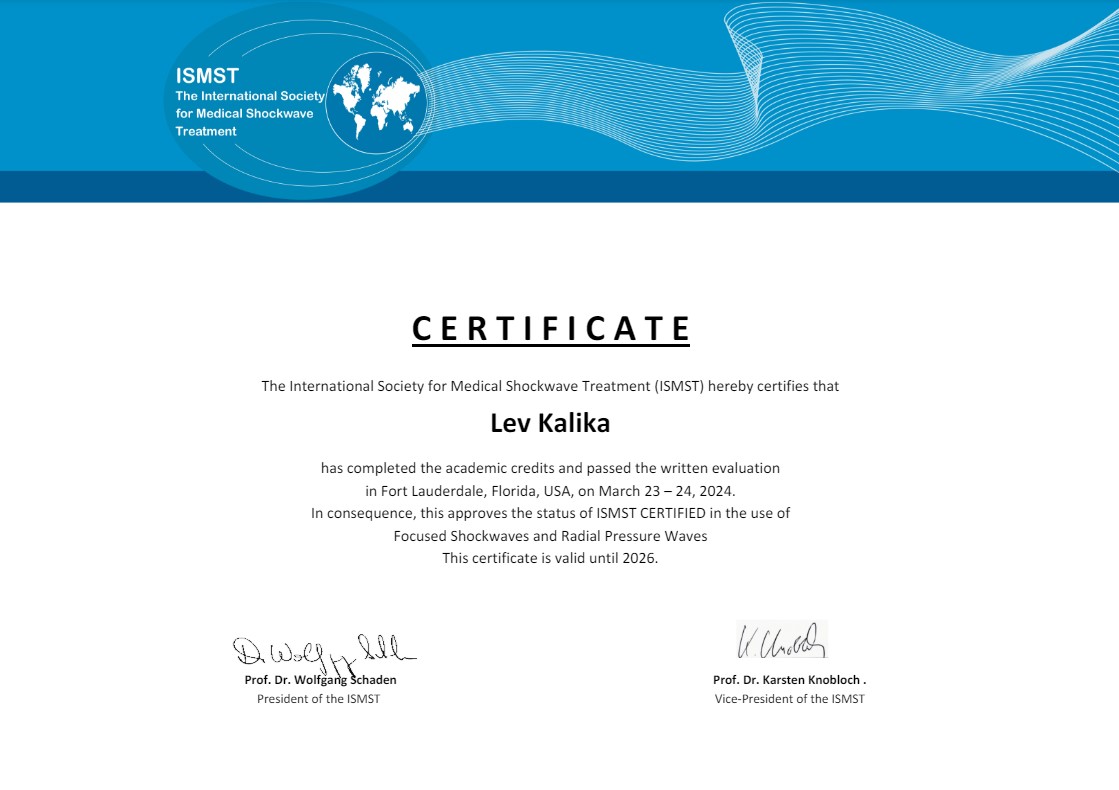
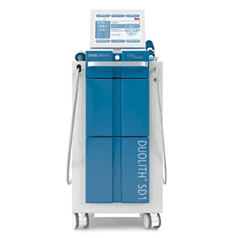
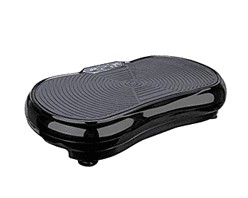
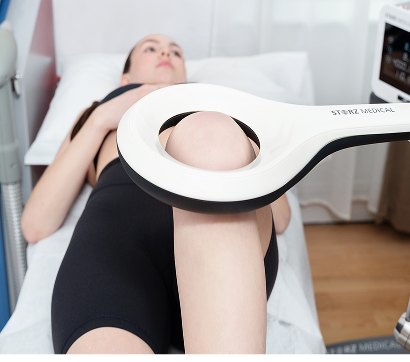
Energy technologies harness sound, light, radiofrequency, and electromagnetic waves to trigger a regenerative response in the body’s tissues. NYDNRehab features a broad range of regenerative technologies to reduce pain and inflammation, promote healing, and accelerate recovery.
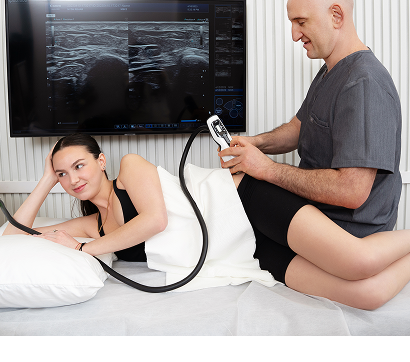
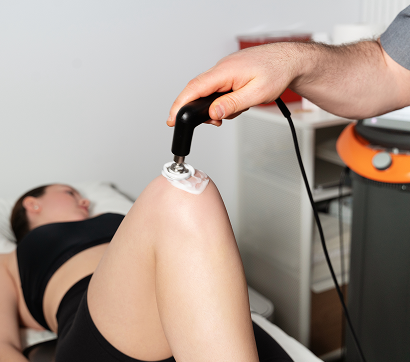
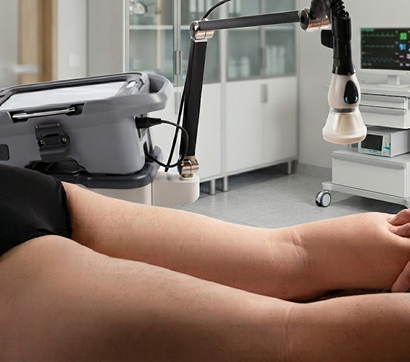
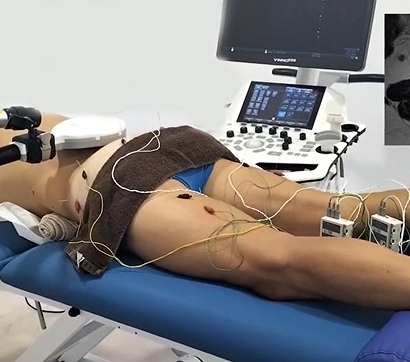
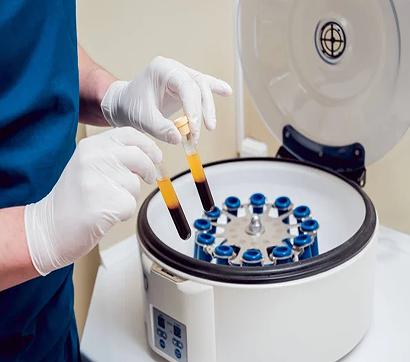
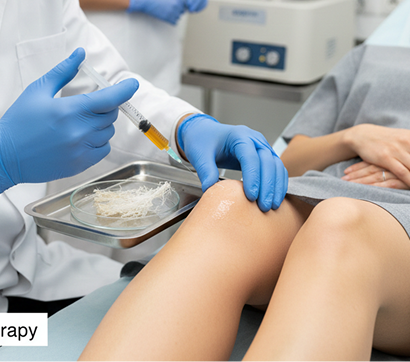
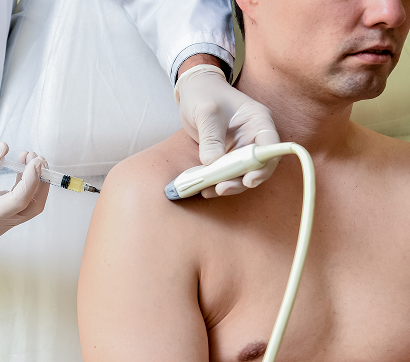
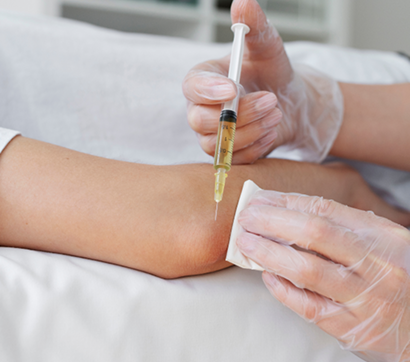
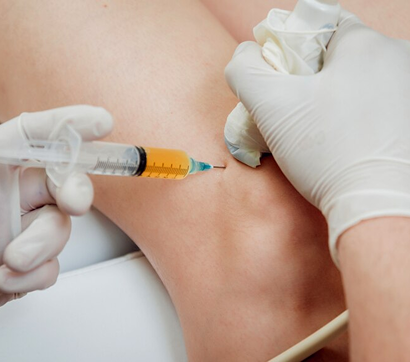
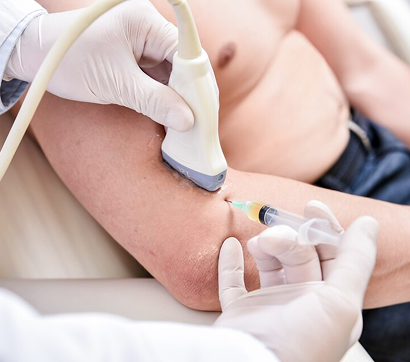
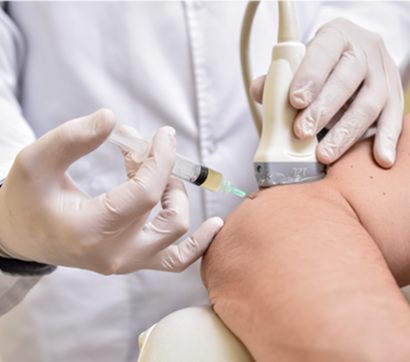
Orthobiologic injections contain natural/neutral solutions, delivered with precision under ultrasound guidance. The injected solutions stimulate cellular repair by either nourishing or irritating the targeted cells, triggering a regenerative immune response.
Self-Help Strategies for Longevity
Many people wait until a health episode arises before taking steps to enhance longevity, but there are often warning signs along the way that signal the need for change. Medical doctors are trained to treat and manage symptoms, creating life-long, drug-dependent patients whose health gradually declines.
By taking action early-on, you can avoid common metabolic and movement disorders that accelerate aging and reduce longevity. But changing habitual patterns is not easy – be prepared to let go of some of your favorite life-long behaviors that are undermining your health.
Best strategies for improved mobility and longevity:
- Begin a daily walking program of at least 20-30 minutes per day. Walking activates all the joints in your body, strengthens your cardiovascular system, lowers your blood sugar, promotes balance and stability, and increases fat metabolism. Gradually increase your time and distance, and add resistance training 2-3 times per week to strengthen your joints and boost your metabolism.
- Take frequent breaks throughout the day to get up and move. Walk the dog, vacuum the carpet, stretch your muscles, or put on your favorite music and have a private dance party – any activity that uses your muscles and elevates your heart rate will improve your mobility and overall health.
- Drink plenty of plain filtered water. Your body’s tissues – including your brain – are made up mostly of water, and even mild dehydration can slow you down, physically and mentally.
- Adopt a ketogenic or Mediterranean-type diet with fresh whole foods. Eliminate sugar, refined carbohydrates and highly processed foods, and steer clear of seed oils.
- Manage stress with deep breathing, stretching or yoga, spending time in nature, or engaging in your favorite hobbies.


Take Charge of Your Healthspan and Longevity in NYC
Longevity science has progressed by leaps and bounds over the past decade as people look for alternative solutions to prolong their healthspan. The search for life-long health has given rise to a vast market promoting countless supplements and life-hacks to enhance wellness and vitality. But without pain-free functional mobility, their benefits are limited.
The longevity team at NYDNRehab is dedicated to helping you revitalize your health and mobility through targeted therapies and physical rehabilitation. With over 25 years of experience, we have helped hundreds of patients to reclaim their ability to move and function without pain or restriction – all without drugs or surgery.
Mobility and Longevity FAQs
Physical mobility is strongly linked to longer lifespan and better health as you age. Mobility is a key indicator of overall health, with declining mobility linked to greater risks of disability, falls, hospitalization, and mortality.
Regular physical activity can add years to your life expectancy, reducing all-cause mortality by 30-35%. It combats age-related declines in muscle strength, power, and cardiovascular function. Leisurely activities like walking, swimming and cycling can be enjoyable, helping to reduce stress while enhancing longevity.
Mobility peaks in early adulthood and begins to slowly decline during middle age, and accelerating after age 60-70. Staying physically active, optimizing nutrition, keeping hydrated, and getting adequate sleep can help slow the aging process. Social interaction has also been identified as a key driver of healthy longevity.
Mobility, stability, strength, and overall fitness can be improved at any age. Care should be taken to use proper exercise technique, and increases in load or intensity should be gradual. You may find that your body takes longer to recover from exercise, so give yourself plenty of recovery time between workouts.
A combination of aerobic, strength, balance, and flexibility exercises will help you tap into and synergize all your body’s systems. work is ideal. Walking, resistance training, stretching, and recreational activities like curling or pickleball will give you a balanced physical activity profile. To get the most benefit, consistency is key, so create a routine you can stick with from week to week.
Our Awards





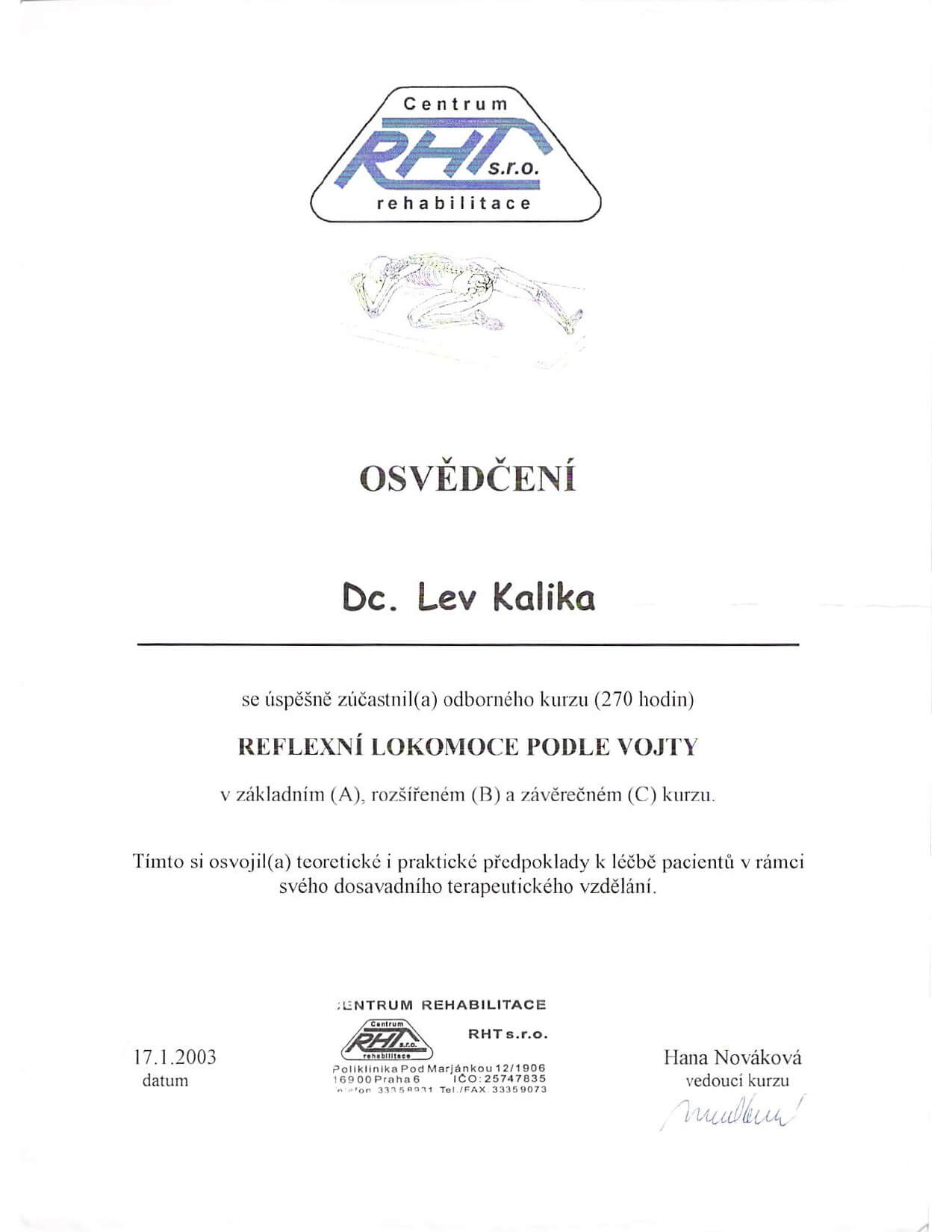
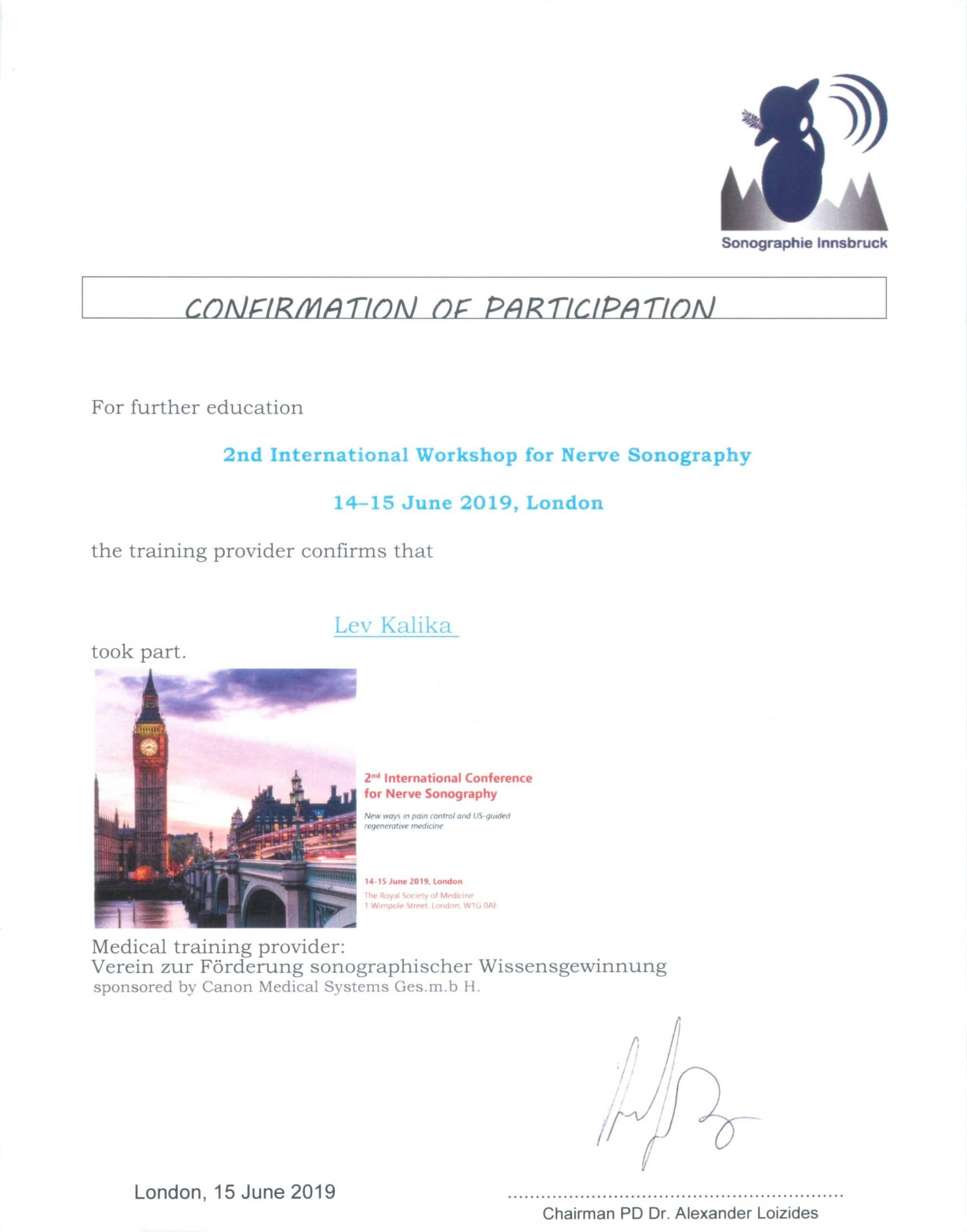
Certificates and Continuing Education