Morning Shoulder Pain When Waking Up: A Complete Clinical Guide

July 29, 2026

Morning Shoulder Pain When Waking Up

If your shoulder hurts after sleeping, it may be a coincidence due to a bad sleeping posture. However, if you experience ongoing shoulder pain at night, it could be a sign of something that needs to be taken care of. Back and thoracic problems frequently cause shoulder problems and may require physical therapy to help correct posture and alignment.

Clinical Insight
Numerous patients think that sleep brings on their shoulder pain. Actually, sleeping frequently reveals the underlying issue. After 6-8 hours of rest, the same pressure is applied to the already irritated tissues and an underlying condition is impossible to ignore. Morning shoulder pain is not the problem, it’s the body’s alarm system.
While not all shoulder pain is serious, it’s not normal to be in pain every day. Any delayed onset muscle soreness can be expected in athletes and active individuals, but chronic pain may be a sign of overuse injury that will get worse if left untreated. Side sleepers can press muscles and nerves against the mattress during the night, and even back sleepers can rub the shoulder against the mattress with one arm above their head. When the pain in your shoulder becomes worse over the course of days and you experience it after sleeping, it’s time to pay attention.

Quick Answer

  • Awkward sleeping positions that apply pressure to soft tissues or nerves for an extended period of time can cause shoulder pain after sleeping. When this occurs, pain goes away within minutes of awakening.
  • If the pain in the shoulder is present in the morning, gets worse over time or is accompanied by weakness, stiffness or decreased range of motion, sleep is probably indicating a problem, not causing it. This can be caused by problems in the rotator cuff, bursitis, frozen shoulder, or spine problems in the neck or chest.
  • It is normal to experience some stiffness in the morning. If the shoulder pain is recurrent in the morning and affects sleep or activity, it is not and should be seen by a professional. Occasional stiffness is normal, but shoulder pain every morning, on one or both shoulders, or waking up with neck and shoulder pain, points to a cause worth treating.
  • The way to get rid of it is to find and address that cause, not just to change how you sleep.
Medical Disclaimer: This article is for information purposes only and is not a substitute for medical advice. Please see a licensed healthcare professional before starting any new treatment or rehabilitation program.

When to Seek Medical Attention

If you have any of the following symptoms, make a scheduling appointment:

  • If the pain in the shoulder lasts longer than two weeks
  • Nighttime pain that awakens or keeps you from sleeping at night
  • Failure to lift arm or reach overhead
  • Limited range of motion, reaching behind the back, reaching overhead
  • Numbness or tingling in arm, hand or fingers
  • Swelling or warmth around the joint that is seen
  • Post-traumatic pain – pain after a particular injury, fall or collision
  • The pain gradually gets worse over time, even when you’re resting.
Symptom
Possible Concern

Chest pain with left shoulder pain
Cardiac event

Sudden inability to move the arm
Severe rupture or neurological injury

Shoulder pain after high-impact trauma
Fracture or dislocation

Fever with joint swelling and redness
Septic joint

Unexplained weight loss with shoulder pain
Systemic or oncological condition

Conditions That Cause Morning Shoulder Pain

If the shoulder pain persists, it is not likely to go away without treatment. A chiropractor or physical therapist can determine the root cause and develop a successful treatment program.

Common causes include:

  • Rotator cuff tendinosis. Tendons can become inflamed due to overuse or muscle imbalance and poor posture. Responds well to physical therapy.
  • Rotator cuff tear. Over-use or sudden overloading. Partial tears can be rehabilitated while full tears may need surgery.
  • Tendinosis calcarea. This is most often a condition that occurs between 30-50 years of age, when calcium deposits build up in the rotator cuff tendons.
  • AC joint degeneration. Gradual wear and tear of the acromioclavicular joint caused by injury or overuse.
  • Bursitis. Inflammation of the fluid-filled sacs which cushion soft tissues, leading to general aching that is worse at night.
  • Frozen shoulder. Significantly limits ability to move in all directions, especially overhead reaching.
  • Restricted thoracic mobility. Sitting for long periods of time causes stiffness in the mid back and the shoulder has to compensate for it abnormally.
  • Scapular dyskinesis. This instability and pain is caused by muscle weakness or imbalance around the shoulder blade.
  • Shoulder impingement. Tendons and bursae in the shoulder girdle are compressed due to misalignment.
  • Osteoarthritis. Over time, the cartilage wears away, leading to stiffness, aching and grinding.
Condition
Typical Age
Key Feature
Responds to PT?

Rotator cuff tendinosis
30–60+
Ache with overhead movement
Yes

Rotator cuff tear
40–60+
Weakness, catching sensation
Often; surgery for full tears

Bursitis
Any age
Diffuse ache, worse at night
Yes

Frozen shoulder
40–60
Stiffness in all directions
Yes (long course)

Shoulder impingement
Any active adult
Pain with arm elevation
Yes

Osteoarthritis
50+
Grinding, progressive stiffness
Yes (symptom management)

Best Sleeping Positions for Shoulder Pain

There is no single position that is pain free for a person with an underlying condition, but there are some sleep postures that can help to decrease pain at night.

  • Sleep on your back, distribute weight evenly and remove direct pressure from the shoulder
  • Don’t sleep on the painful shoulder, compress the rotator cuff and bursa for hours, aggravating the inflammation
  • If side sleeping, use the unaffected side, hug a pillow in front of you to prevent the painful arm from rolling forward
  • Sleeping with the arm above the head, narrows the subacromial space and strains the rotator cuff tendons
  • Maintaining a neutral position for your neck, with a pillow that is too high or low will change the alignment of your neck, and may lead to referred shoulder pain
  • When sleeping on the back, use a small pillow under the painful arm to decrease capsular tension.

These are strategies to diminish symptoms, but not causes. Seek professional evaluation if pain is not relieved with position changes.

Are Neck or Upper Back Issues the Cause of Shoulder Pain?

Yes, and sadly, this is one of the most common causes of morning shoulder pain that is overlooked.

The shoulder is a part of a kinetic chain of cervical spine, thoracic spine, rib cage and scapula. Anything that disrupts this chain can cause pain to be felt in the shoulder.

It is often the result of cervical spine dysfunction. The nerves to the shoulder are located between C4 and C6. Shoulder pain, aching or tingling can occur at these levels if there is a nerve root compression or disc degeneration, even when the shoulder joint is structurally normal.

When the thoracic spine becomes stiff, the shoulder takes over the function of the spine and puts stress on the tissues and muscles, leading to a cumulative effect. Shoulder pain may also be a result of referred pain from thoracic facet joints or rib articulations, especially when lying still for long periods. This is why waking up with neck and shoulder pain together is so common, and why the discomfort can radiate into the upper arm or settle between the shoulder blades rather than staying in the joint itself.

Posture is what holds everything together. FHP, rounded shoulders and excessive thoracic kyphosis changes the position of the scapula, changes the function of the rotator cuff muscles, and puts chronic low level stress on the tissue that becomes symptomatic during sleep.

It is important to assess the whole kinetic chain, and not just the shoulder, for proper diagnosis. A doctor specializing in the shoulder might not be able to see the real cause of the issue.

Diagnosing Shoulder Pain

Correct diagnosis is essential to exclude potentially harmful conditions and to direct appropriate treatment.

Rare but serious diagnoses such as rheumatoid arthritis, bone cancer and deltoid tendinosis are also important to consider and require specific treatment.

MRI vs. Dynamic Diagnostic Ultrasound

Feature
MRI
Dynamic Ultrasound

Best for
Bone, cartilage, labrum, full tears
Tendons, bursae, dynamic tissue behavior

Imaging type
Static
Real-time, patient in motion

Movement assessment
No
Yes

Detects impingement dynamically
No
Yes

Guided procedures
Limited
Excellent

Labral pathology
Excellent
Limited

Cost
Higher
Lower

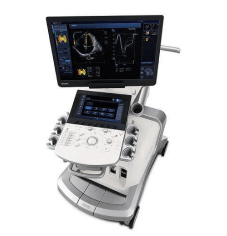
Static images are taken of the shoulder in one position. Many conditions are movement dependent and may only be seen when the movement occurs, such as subacromial impingement, tendon instability, biceps subluxation. The high-resolution dynamic ultrasound enables the clinician to see the tissue in real time, which may show things that are not seen in a static MRI. The American College of Radiology (ACR) considers musculoskeletal ultrasound to be a valid initial imaging modality for the evaluation of the rotator cuff, especially if dynamic evaluation or image-guided intervention is planned. MRI is still the best modality for labral tears, bone pathology and surgical planning. In practice both modalities are frequently used together.

Posture and the Shoulder: The Bigger Picture

Shoulder pain in the morning is not a stand-alone symptom. It is typically a sign of postural dysfunction and movement compensation that has been building up over a long period of time prior to the onset of symptoms.

Static vs. Dynamic Posture

Feature
Static Posture
Dynamic Posture

Definition
Alignment at rest
Alignment and control during movement

When it matters
Standing, sitting, sleeping
Walking, reaching, lifting

Assessed by
Mirror, photograph, wall test
Movement analysis, functional testing

Controlled by
Passive structures: bones, ligaments, fascia
Active neuromuscular system, motor patterns

Posture assessment is not possible without movement. Static alignment is a ‘snapshot’. Dynamic posture demonstrates the way a body is working in response to load and identifies any compensation patterns that are causing cumulative damage.

Why Poor Posture Causes Pain

  • Muscle imbalance will change length tension relationships, leading to fatigue, trigger points and loss of stabilizing function
  • Abnormal joint loading increases the stress on the joints, and forward head posture alone can more than double the forces on the cervical spine
  • Fascial densification impedes movement and causes pain without structural damage, and can be the cause of normal MRI in patients with symptoms
  • The pain and tingling experienced with sustained neural tension or thoracic outlet compression is similar to that of primary shoulder pathology.

The concept of posture should not be treated as a static posture, but rather as a dynamic system. What looks bad in a photo does not necessarily look bad in motion, and the other way around is true as well. Clinical skills are more important than a snapshot for meaningful assessment.

Common Myths About Morning Shoulder Pain

1

Sleeping position permanently damages the shoulder
arr
REALITY: Sleeping position can aggravate existing problems but rarely causes structural damage in healthy tissue

2

If pain improves during the day, nothing is wrong
arr
REALITY: Many conditions – including bursitis and frozen shoulder — are characteristically worse after rest and improve with gentle movement

3

Shoulder pain always starts in the shoulder
arr
REALITY: Cervical spine dysfunction, thoracic stiffness, and fascial restrictions are frequent sources of referred shoulder pain

4

Rest alone cures shoulder pain
arr
REALITY: Prolonged rest leads to stiffness, muscle atrophy, and delayed recovery; guided movement is almost always preferable

5

There is one perfect posture everyone should maintain
arr
REALITY: Posture is individual; movement variability and adaptability matter far more than achieving a fixed ideal alignment

Myth
Reality

Sleeping position permanently damages the shoulder
Sleeping position can aggravate existing problems but rarely causes structural damage in healthy tissue

If pain improves during the day, nothing is wrong
Many conditions — including bursitis and frozen shoulder – are characteristically worse after rest and improve with gentle movement

Shoulder pain always starts in the shoulder
Cervical spine dysfunction, thoracic stiffness, and fascial restrictions are frequent sources of referred shoulder pain

Rest alone cures shoulder pain
Prolonged rest leads to stiffness, muscle atrophy, and delayed recovery; guided movement is almost always preferable

There is one perfect posture everyone should maintain
Posture is individual; movement variability and adaptability matter far more than achieving a fixed ideal alignment

What You Can Do at Home

If you wake up with shoulder pain, a few simple steps can help you relieve, and often get rid of, mild morning shoulder pain before it becomes a pattern:

  • Adjust activities, limit overhead and repetitive motions during flares; do not rest completely
  • Position workstation, position screen at eye level, take movement breaks every 30-45 minutes
  • Optimize sleep position, use the strategies above; evaluate pillow for neutral cervical support
  • Gentle movement, passive pendulum exercises keep shoulders mobile without loading irritated structures; gentle thoracic rotation helps decrease stiffness that often plays a role in shoulder symptoms.

Self-care is suitable for a minor, occasional, uncomplicated pain that has a temporary cause. With symptoms lasting longer than 2 weeks, getting worse or with weakness or numbness, professional evaluation is required.

Treatment Options

After determining the cause, a tailored rehabilitation program can consist of:

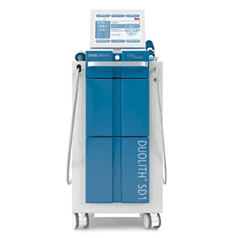
  • Extracorporeal shock wave therapy (ESWT) is effective in the treatment of calcific tendinosis and chronic tendinopathy
  • Massage therapy helps to relieve tension in soft tissues and promotes recovery
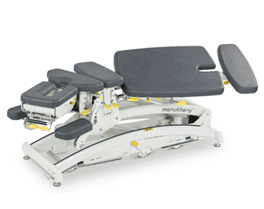
  • Manual therapy joint mobilization (cervical and thoracic spine) to decrease referred pain and increase mobility
  • The precise targeting of trigger points and tendon pathology with the assistance of ultrasound imaging while the needle is being inserted is known as ultrasound-guided dry needling
  • Physical therapy exercises progressive rehab to restore strength, stability and range of motion
  • Dynamic Neuromuscular Stabilization (DNS) is a retraining of deep stabilizing muscles through developmentally appropriate movement patterns.
Extracorporeal Shockwave Therapy (ESWT)

Massage therapy

Manual therapy

ultrasound-guided dry needling

Physical therapy exercises

Dynamic Neuromuscular Stabilization (DNS)

Frequently Asked Questions

How do I get rid of shoulder pain after waking up?

Start with what you can change the same morning: adjust your sleep position (avoid lying on the painful side or sleeping with an arm overhead), do gentle range-of-motion movement to restore blood flow, and avoid painful overhead loading during a flare. If you woke up with shoulder pain and can’t lift your arm, or you wake up with shoulder pain every morning, the problem has an underlying cause that needs assessment rather than self-treatment. An accurate diagnosis is the fastest way to get rid of recurring morning shoulder pain for good.

Why does my shoulder only hurt in the morning?

Extended sleep periods can cause continuous pressure on sensitive tissues. When moving after waking up, blood flow is enhanced and tissues are decompressed temporarily, which helps to alleviate pain. If you have pain in the morning, then you likely have an underlying condition.

Will sleeping on my side hurt my shoulder?

Sleeping on the affected shoulder causes the rotator cuff and bursa to be compressed for hours, adding to the irritation. It will not do any damage to healthy tissue and will certainly worsen an existing problem.

Shoulder pain at night – is it a rotator cuff tear?

Shoulder pain at night may be caused by a rotator cuff tear, but also by bursitis, impingement, frozen shoulder and cervical dysfunction. Clinically and radiographically, these conditions can be differentiated only by the presence of pain.

Can neck problems cause shoulder pain?

Yes. The nerves that go to the shoulder start at C4–C6. Irritation or degeneration of these discs or joints can result in a shoulder pain, aching and tingle even if the shoulder is structurally normal.

Will shoulder pain go away on its own?

Shoulder pain that is mild and only happens occasionally, or from new or different activity, usually gets better within a few days. If the pain is in the shoulder and continues to be a problem in the morning, gets worse over time or is associated with weakness or limited range of motion, it probably will not go away on its own.

References

These are the sources the text is based on. All were verified against PubMed or the publisher/abstract page prior to publication; links open the primary source.

Verified Expert Profiles

About the Author

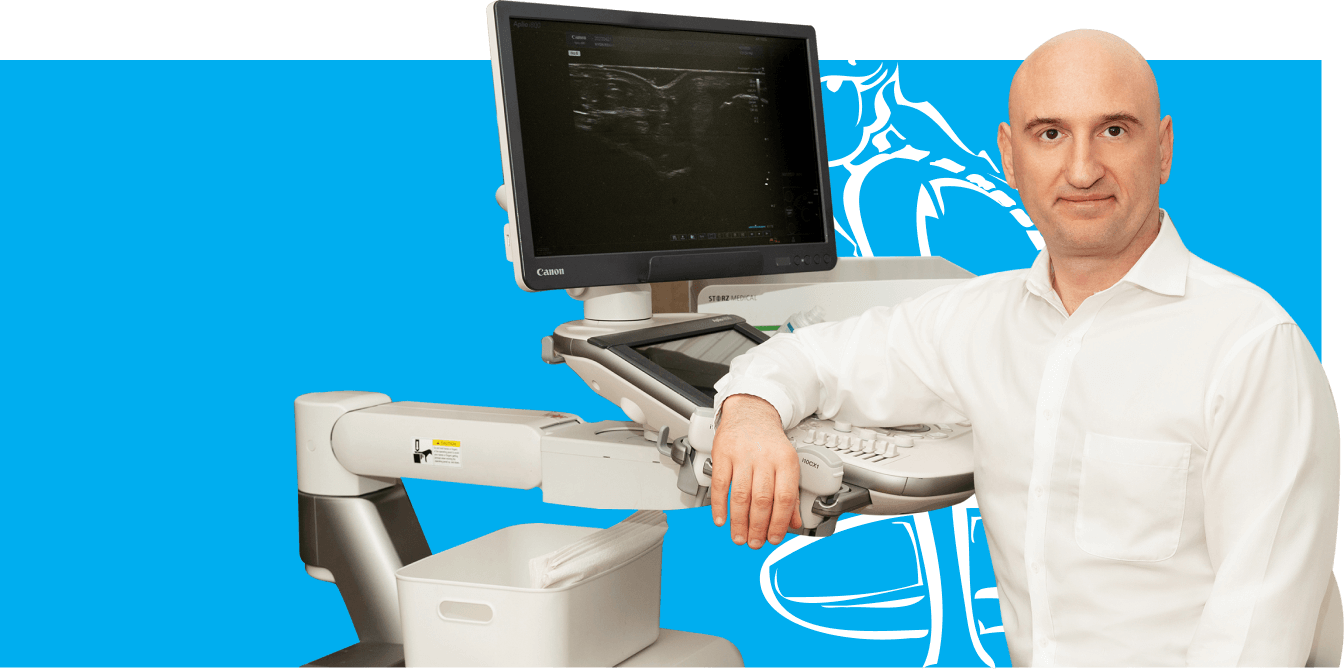
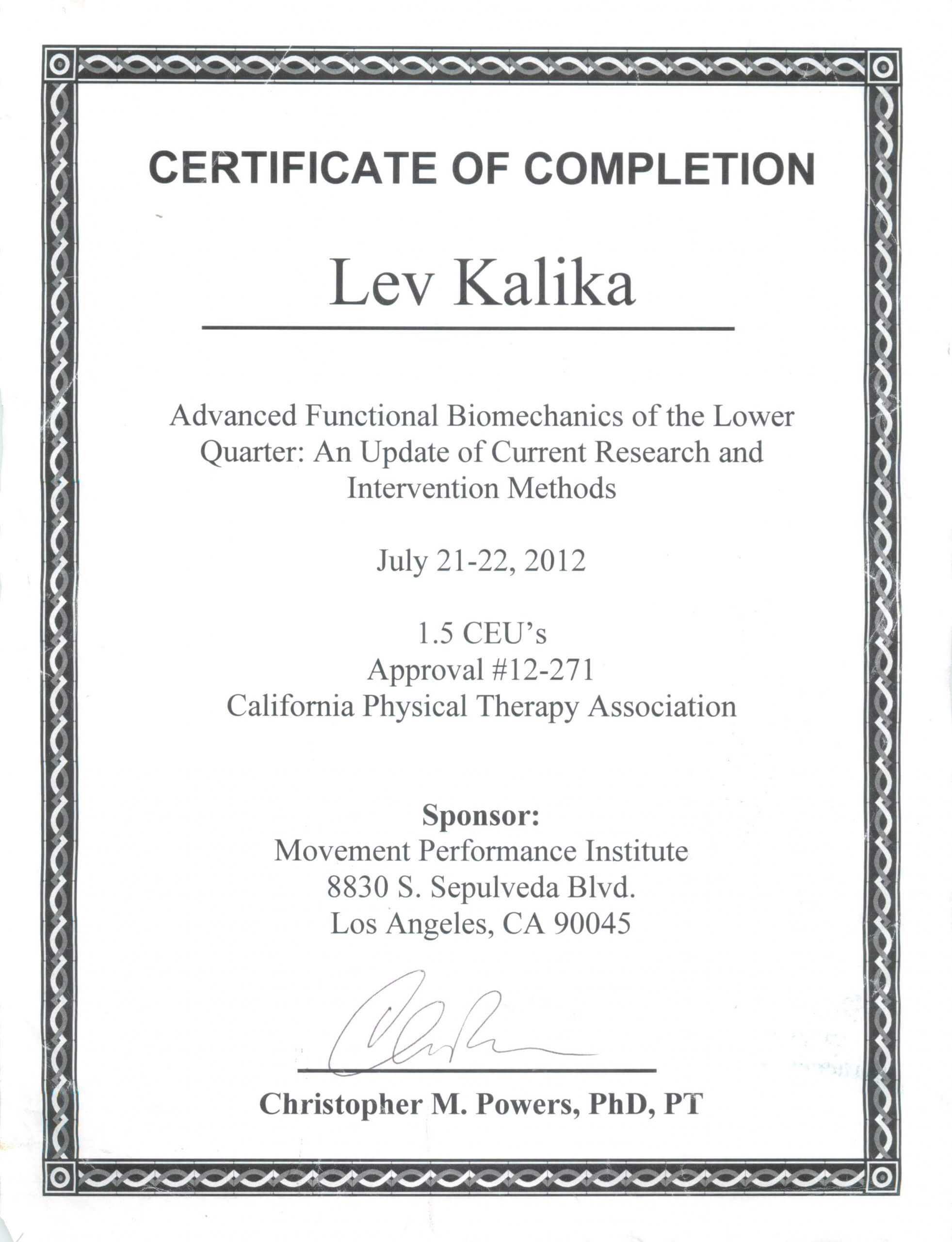
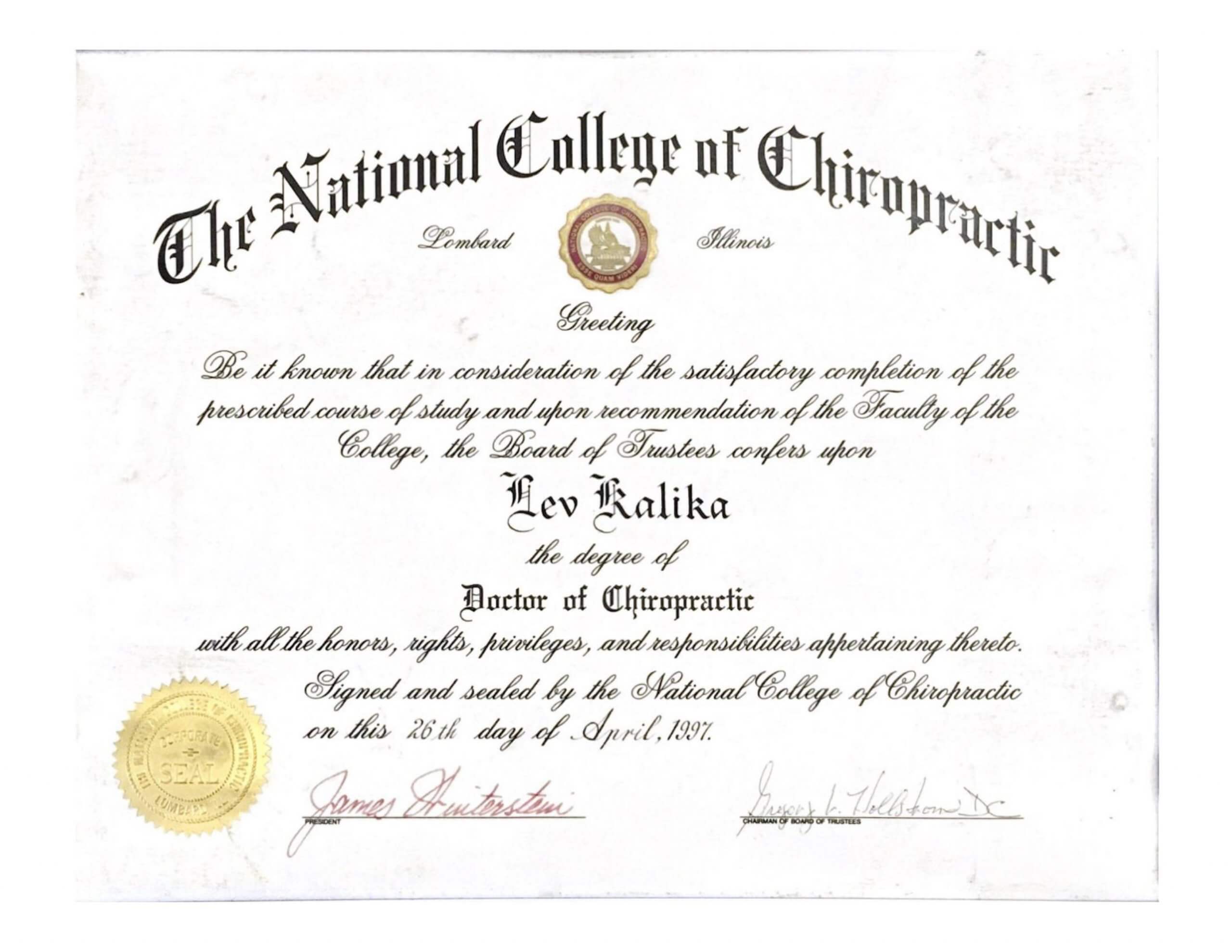
Dr. Lev Kalika is a world-recognized expert in musculoskeletal medicine. with 20+ years of clinical experience in diagnostic musculoskeletal ultrasonography, rehabilitative sports medicine and conservative orthopedics. In addition to operating his clinical practice in Manhattan, he regularly publishes peer-reviewed research on ultrasound-guided therapies and procedures. He serves as a peer reviewer for Springer Nature.

Dr. Kalika is an esteemed member of multiple professional organizations, including:
  • International Society for Medical Shockwave Treatment (ISMST)
  • American Institute of Ultrasound in Medicine (AIUM)
  • American Academy of Orthopedic Medicine(AAOM)
  • Fascia research Society (FRS)
  • Gait and Clinical Movement Analysis Society (GCMAS)
  • Sigma Xi, The Scientific Research Honor Society
Dr. Kalika is the only clinician in New York certified by the ISMST to perform extracorporeal shockwave therapy. He has developed his own unique approach to dynamic functional and fascial ultrasonography and has published peer-reviewed research on the topic. Dr. Kalika is a specialist in orthobiologics, a certified practitioner of Stecco Fascial Manipulation, and serves as a consultant for STT Systems – Motion Analysis & Machine Vision.
bg

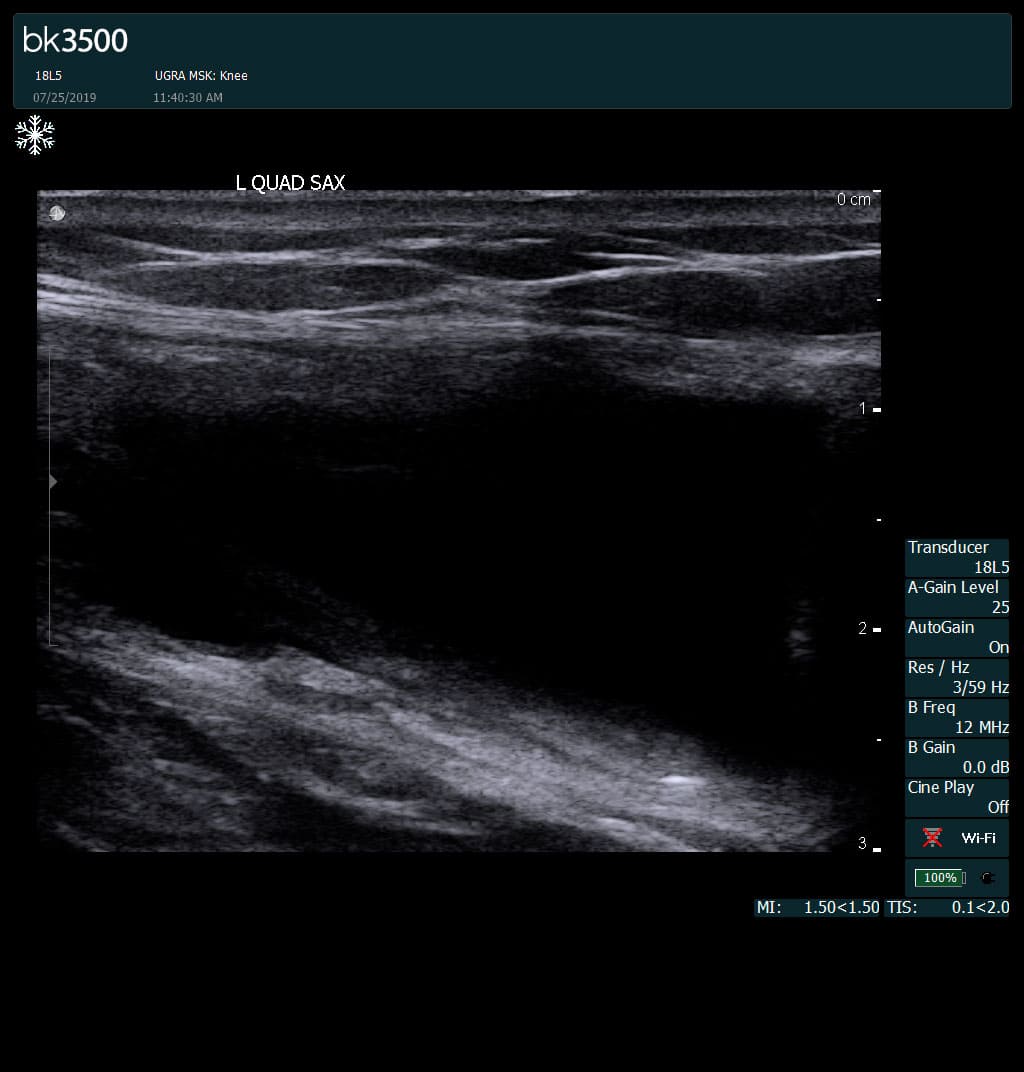
In this instance, an athlete was originally diagnosed with minor quadriceps muscle strain and was treated for four weeks, with unsatisfactory results. When he came to our clinic, the muscle was not healing, and the patients’ muscle tissue had already begun to atrophy.

Upon examination using MSUS, we discovered that he had a full muscle thickness tear that had been overlooked by his previous provider. To mitigate damage and promote healing, surgery should have been performed immediately after the injury occurred. Because of misdiagnosis and inappropriate treatment, the patient now has permanent damage that cannot be corrected.

The most important advantage of Ultrasound over MRI imaging is its ability to zero in on the symptomatic region and obtain imaging, with active participation and feedback from the patient. Using dynamic MSUS, we can see what happens when patients contract their muscles, something that cannot be done with MRI. From a diagnostic perspective, this interaction is invaluable.

Dynamic ultrasonography examination demonstrating
the full thickness tear and already occurring muscle atrophy
due to misdiagnosis and not referring the patient
to proper diagnostic workup

Demonstration of how very small muscle defect is made and revealed
to be a complete tear with muscle contraction
under diagnostic sonography (not possible with MRI)
image

Complete tear of rectus femoris
with large hematoma (blood)
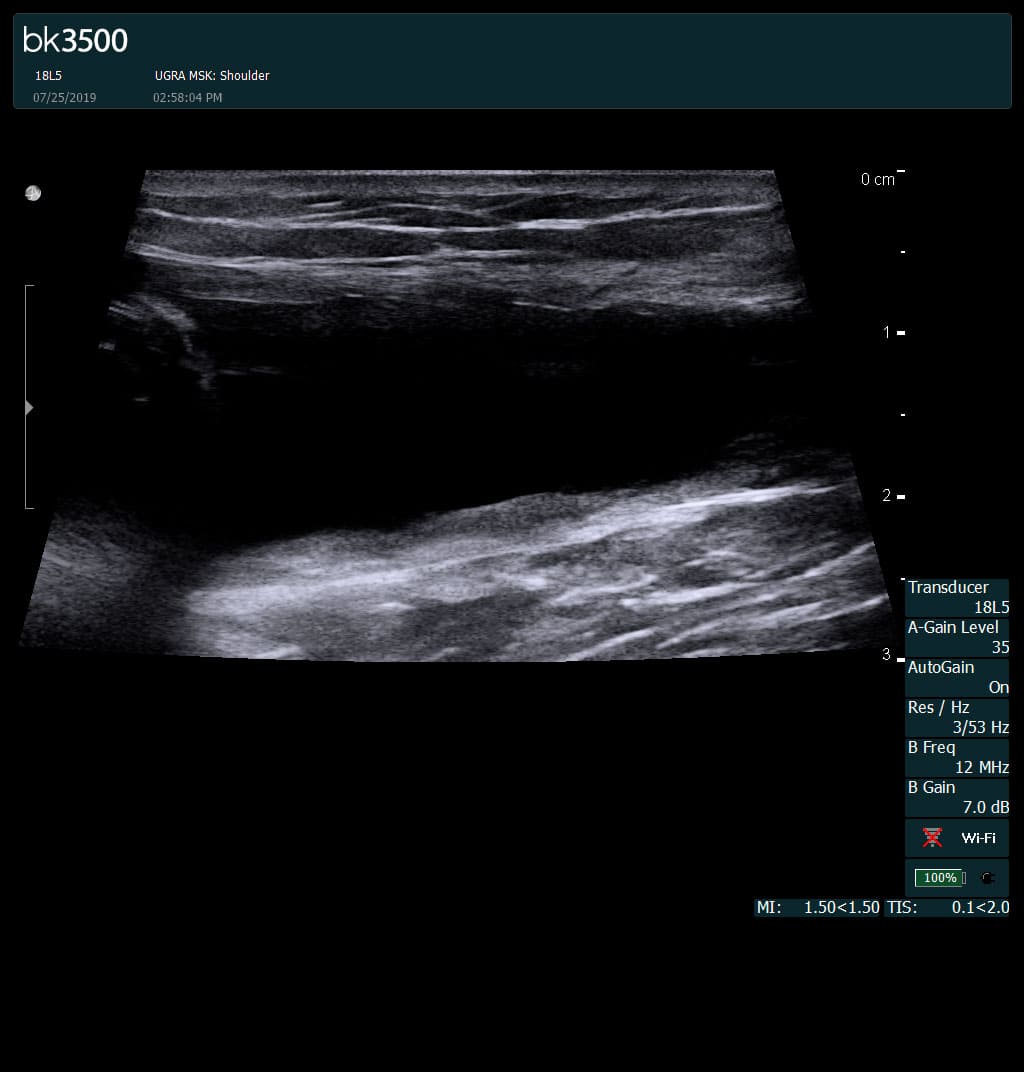
image

Separation of muscle ends due to tear elicited
on dynamic sonography examination

Request TelehealthRequest Telehealth Request in office visit Book now