February 18, 2026
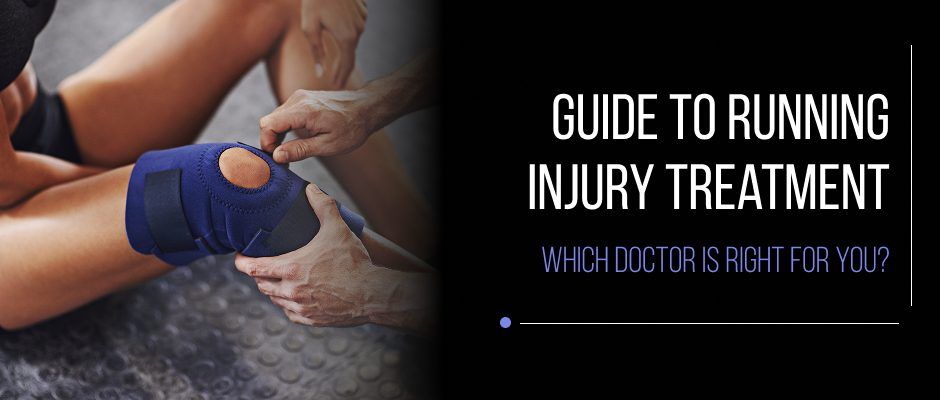
Whether you’re a novice runner, a recreational racer, or an elite competitor, running injuries are a constant risk that cannot be ignored. While sometimes pain and mild injuries self-resolve with rest and basic first aid, persistent pain is a telltale sign that you need professional attention. Finding the right doctor for your injury is key to getting fast and effective results.
We created this guide to help you find the appropriate specialist to treat your running injury, fix your gait, boost your performance, and get you back on the road in record time.
Injury rates and types can vary widely from one runner population to another – a novice runner may experience different types of injuries compared to a seasoned recreational runner or a competitive running athlete. Awareness of the types of injury risks can help you avoid them.
In general, running injury incidence per year ranges from 30-50% or more (systematic review on runner injuries). Rates tend to be lower in novice runners, and higher in marathon/long distance runners, and recurrent injuries are not uncommon. In terms of volume, estimated injuries occur at rates between 8-18 injuries per 1000 hours of running.
Factors affecting injury include:
 Sudden increases in speed, distance or volume.
 History of prior injuries (double the risk)
 Training errors
 Lifestyle factors (sleep, nutrition, and hydration)
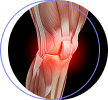
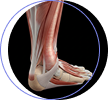
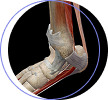
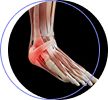
Injuries typically affect structures of the lower extremities, most often involving the knee, lower leg, ankle and foot. Knee injuries are most common in recreational and marathon runners, while foot and ankle injuries are common in ultra-distance runners. However, secondary injuries can translate upward along the kinetic chain, affecting the hip, spine, thorax and shoulders.
The most commonly reported running injuries include:
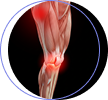
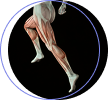
Dedicated runners can be significantly impacted by injury, and choosing the appropriate specialist is critical for effective recovery. Because running injuries often involve multiple contributing factors, care that integrates diagnostics, gait analysis, and rehabilitation within a coordinated model may be beneficial. While symptom management is often an important first step, unresolved biomechanical or movement-related factors may contribute to persistent or recurrent running injuries. Comprehensive evaluation and rehabilitation help address these contributing factors and reduce the risk of future injury.
Sports Medicine Specialist
Sports medicine doctors have specialized training in diagnosing, treating, and preventing sports-related injuries. They work with athletes and physically active people to restore function and performance, and they often have a multidisciplinary approach that includes physical therapy.
Orthopedic Surgeon
An orthopedist specializes in structural injuries to the bones, joints, muscles, connective tissues and nerves. They provide critical surgical interventions for severe injuries like fractures, ligament tears, and tendon ruptures, but they also provide non-surgical treatment options.
Podiatrist
Podiatrists specialize in injuries to the foot and ankle, with expertise in foot mechanics. They treat issues like plantar fasciitis, Achilles tendonitis, and acute foot injuries. Some podiatrists are also surgeons, and they often prescribe custom orthotics.
Physical Therapist
Physical therapists are not medical doctors, but they specialize in injury rehabilitation and prevention. A sports physical therapist can help you restore strength, stability and mobility after an injury, and work with you to attain pre-injury performance levels. Medical specialists often refer patients for physical therapy after surgery or other treatment.
Chiropractor
Chiropractors have in-depth training in the central and peripheral nervous systems, with an emphasis on spinal function and alignment. Impact forces from running often affect spinal structures, causing pain and reduced mobility. A chiropractor can help you restore functional spinal alignment and relieve pain due to nerve compression.





While there are many options for medical care after a running injury, medical doctors are often limited by their professional bias, scope of training, and restrictions imposed by health insurers that limit billable procedures. As a result, many runners return to their favorite sport, only to be injured again due to insufficient treatment and inadequate rehabilitation.
By contrast, holistic practitioners look at the whole patient, not just their new injury. Running relies on multiple systems, working in harmony to propel the body forward. New injuries often occur due to overtraining, fascial dysfunction, inefficient gait mechanics, or when previously injured tissues fail to efficiently transfer loads.
An integrative practitioner will not only fix your injury, but also address other contributing factors, along with issues that pose potential future risks. By taking a whole-body approach, a holistic sports practitioner can help improve your running performance, reduce your injury risk, and set you up for years of pain-free running enjoyment.
Running injuries are common, and people who run on a regular basis are likely to sustain more than one injury. For a lifetime of pain-free running, total injury rehabilitation is essential, and injuries that are not properly rehabilitated are sure to cause mechanical problems down the road that can take you out of the race for good.
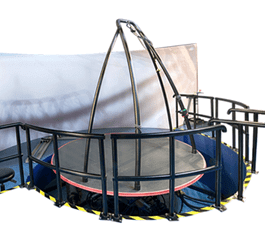
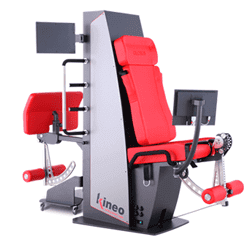
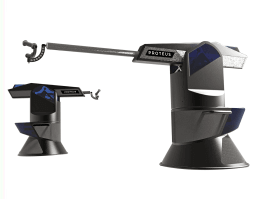
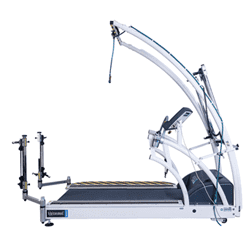
NYDNRehab in Manhattan is your one-stop-shop for running injury care and prevention. Our high-tech running lab features advanced instrumentation to subjectively analyze your running gait in all 3 planes of motion – including the transverse plane where most running injuries occur.
We offer a broad range of sports injury services, including:
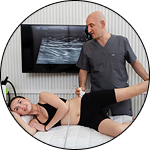
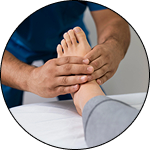
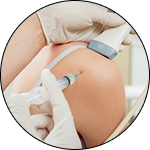
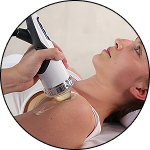
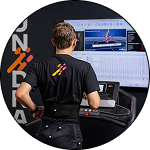
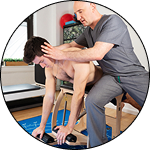
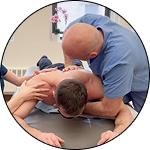
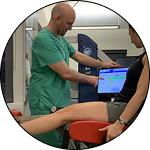
Our holistic, integrative approach takes us beyond the site of injury, ensuring that adjacent tissues and structures are thoroughly examined, treated, and rehabilitated. Whether you’re a novice runner, a seasoned recreational runner, or an elite competitor, NYDNRehab is the clinic of choice for 3D running gait analysis, injury prevention, and rehabilitation in Midtown Manhattan, NYC.
Request an appointment »

Our location: 11 West 25th Street 5th floor, New York, NY 10010

Verified Expert Profiles


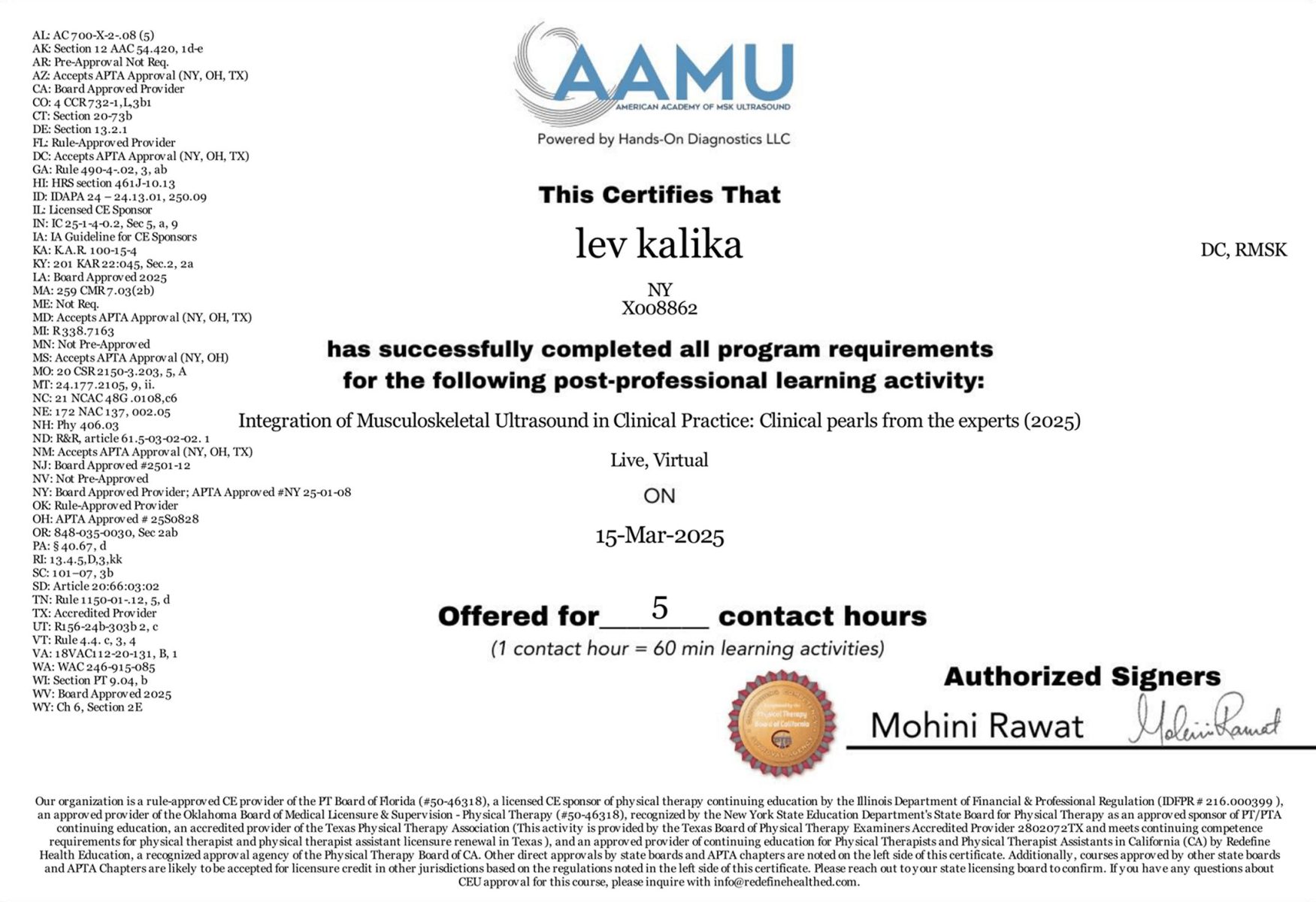
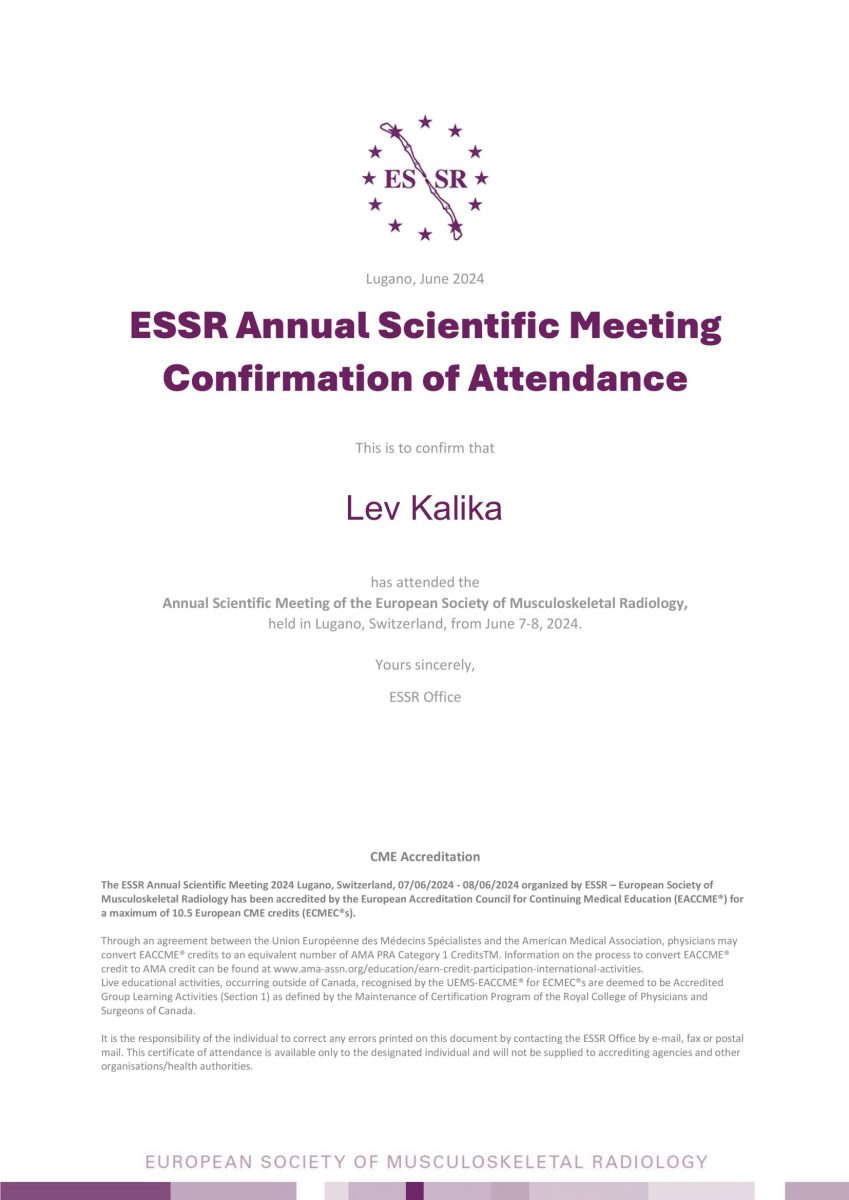
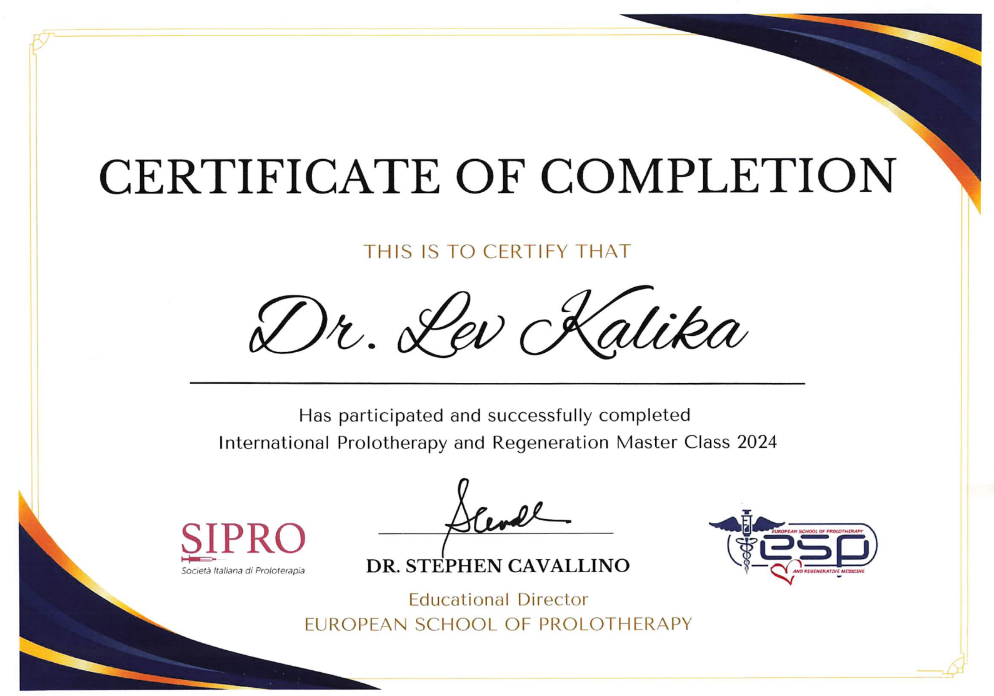
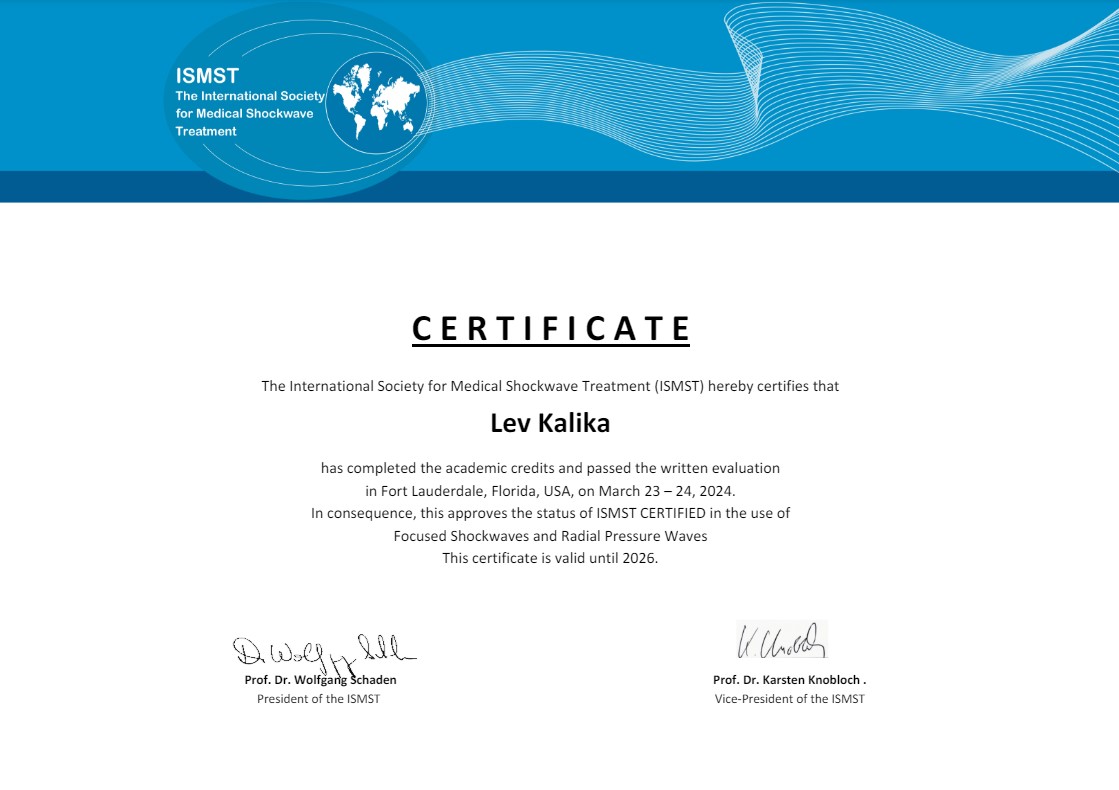
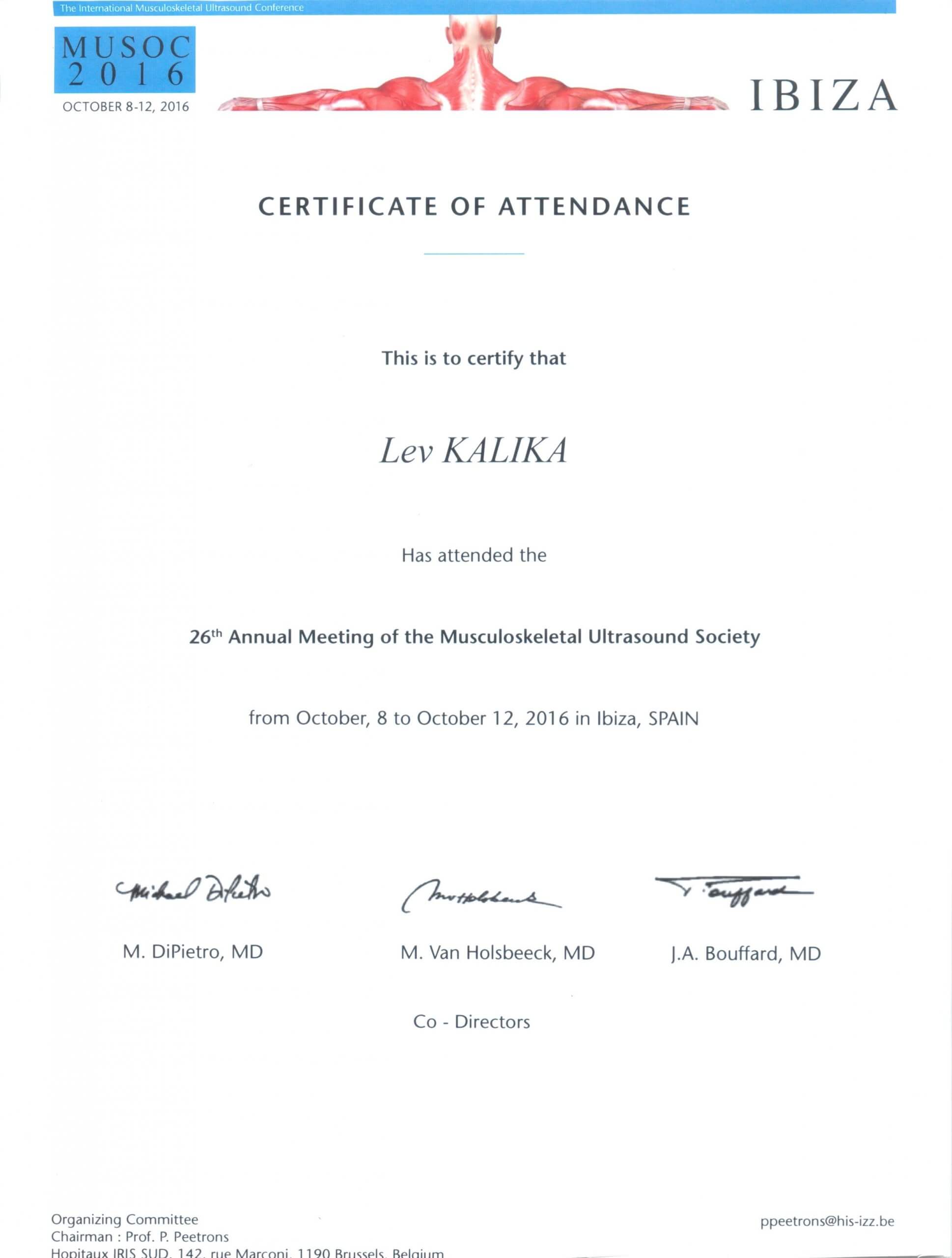
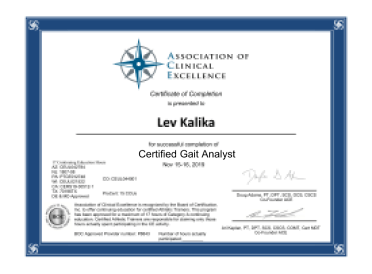
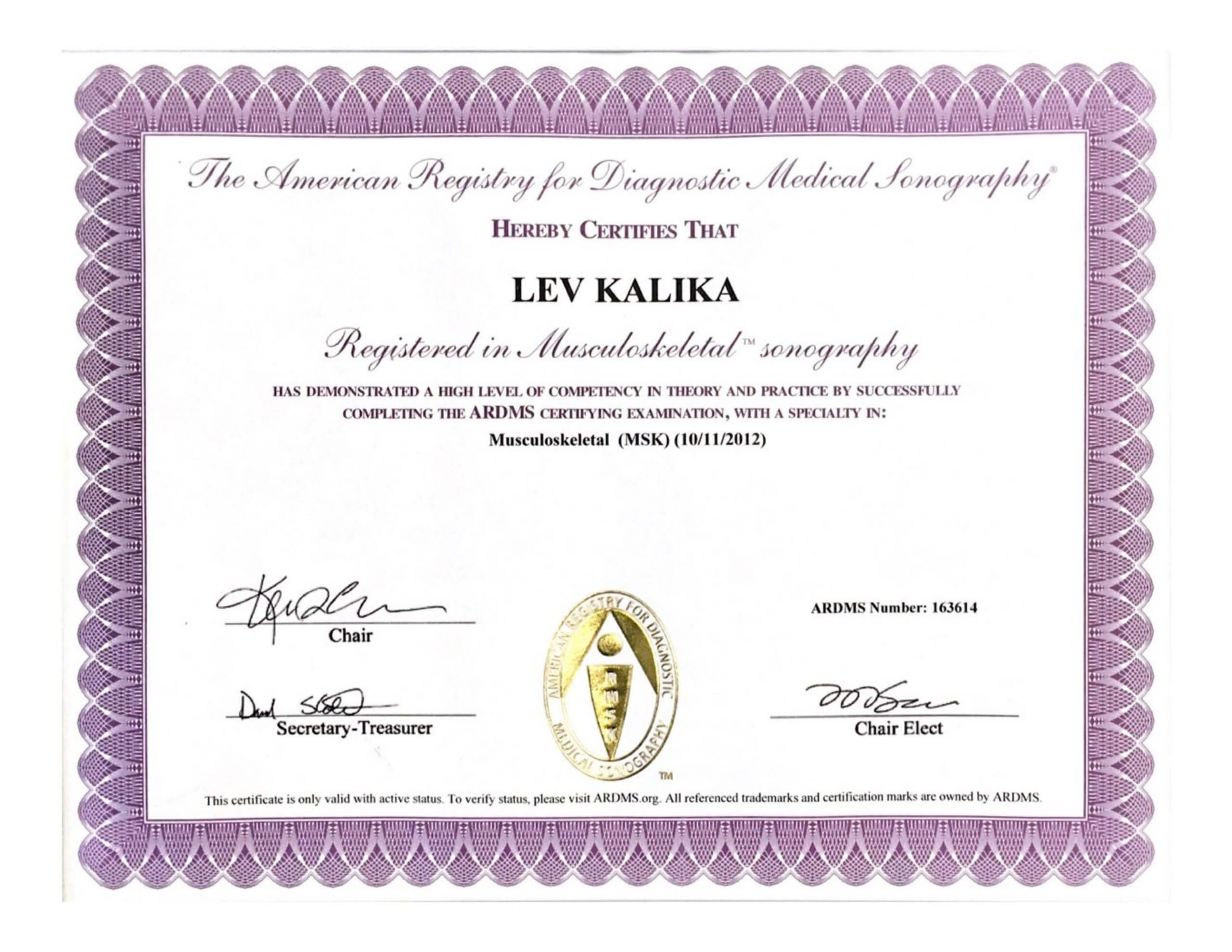
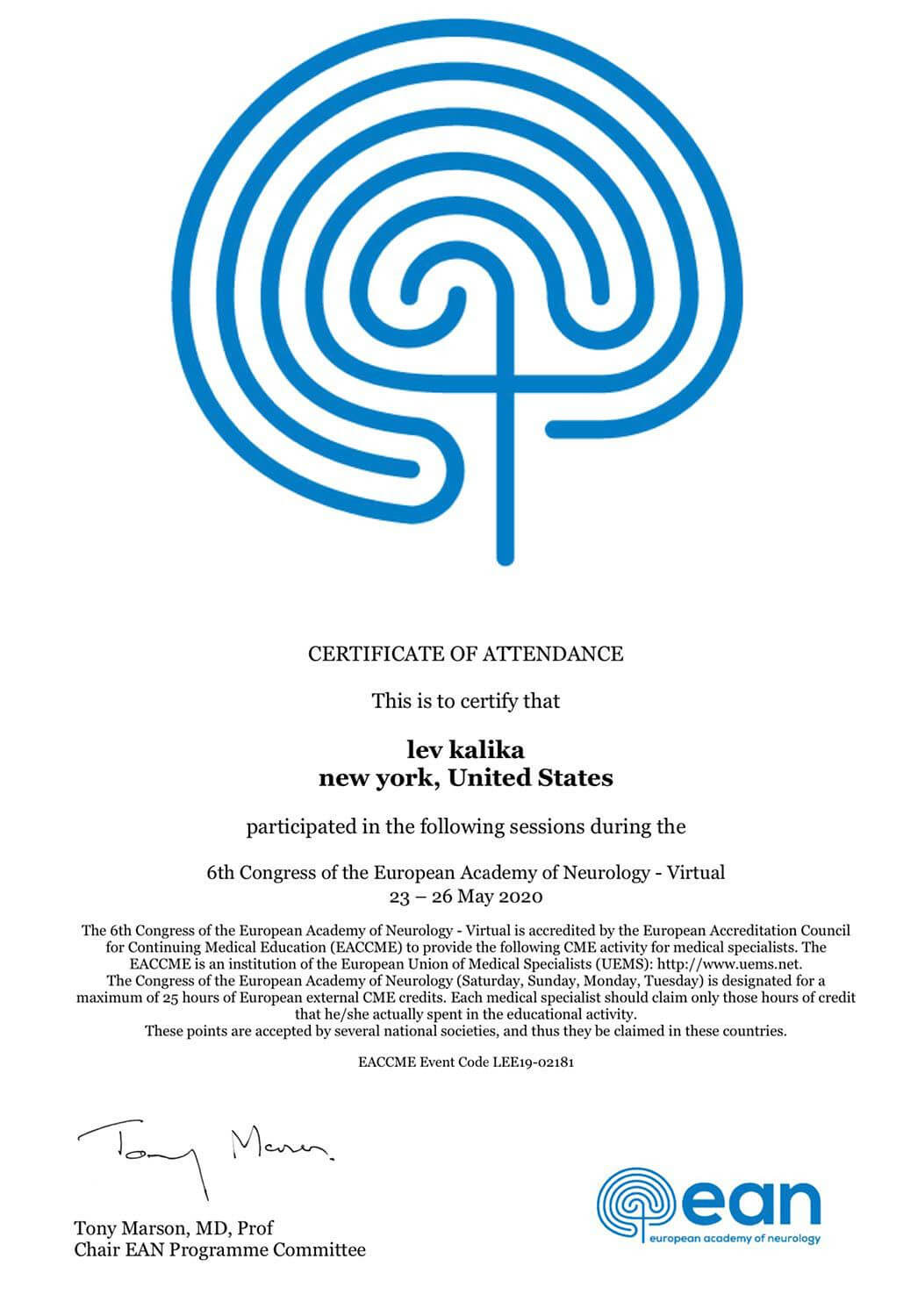
Dr. Lev Kalika is a world-recognized expert in musculoskeletal medicine. with 20+ years of clinical experience in diagnostic musculoskeletal ultrasonography, rehabilitative sports medicine and conservative orthopedics. In addition to operating his clinical practice in Manhattan, he regularly publishes peer-reviewed research on ultrasound-guided therapies and procedures. He serves as a peer reviewer for Springer Nature.
Dr. Kalika is an esteemed member of multiple professional organizations, including:

Below is a prime example of how ultrasound can take the guesswork out of diagnosis.

A bad physical therapy experience is one of the primary causes of unnecessary surgery

In this instance, an athlete was originally diagnosed with minor quadriceps muscle strain and was treated for four weeks, with unsatisfactory results. When he came to our clinic, the muscle was not healing, and the patients’ muscle tissue had already begun to atrophy.
Upon examination using MSUS, we discovered that he had a full muscle thickness tear that had been overlooked by his previous provider. To mitigate damage and promote healing, surgery should have been performed immediately after the injury occurred. Because of misdiagnosis and inappropriate treatment, the patient now has permanent damage that cannot be corrected.
The most important advantage of Ultrasound over MRI imaging is its ability to zero in on the symptomatic region and obtain imaging, with active participation and feedback from the patient. Using dynamic MSUS, we can see what happens when patients contract their muscles, something that cannot be done with MRI. From a diagnostic perspective, this interaction is invaluable.
Dynamic ultrasonography examination demonstrating
the full thickness tear and already occurring muscle atrophy
due to misdiagnosis and not referring the patient
to proper diagnostic workup
Demonstration of how very small muscle defect is made and revealed
to be a complete tear with muscle contraction
under diagnostic sonography (not possible with MRI)
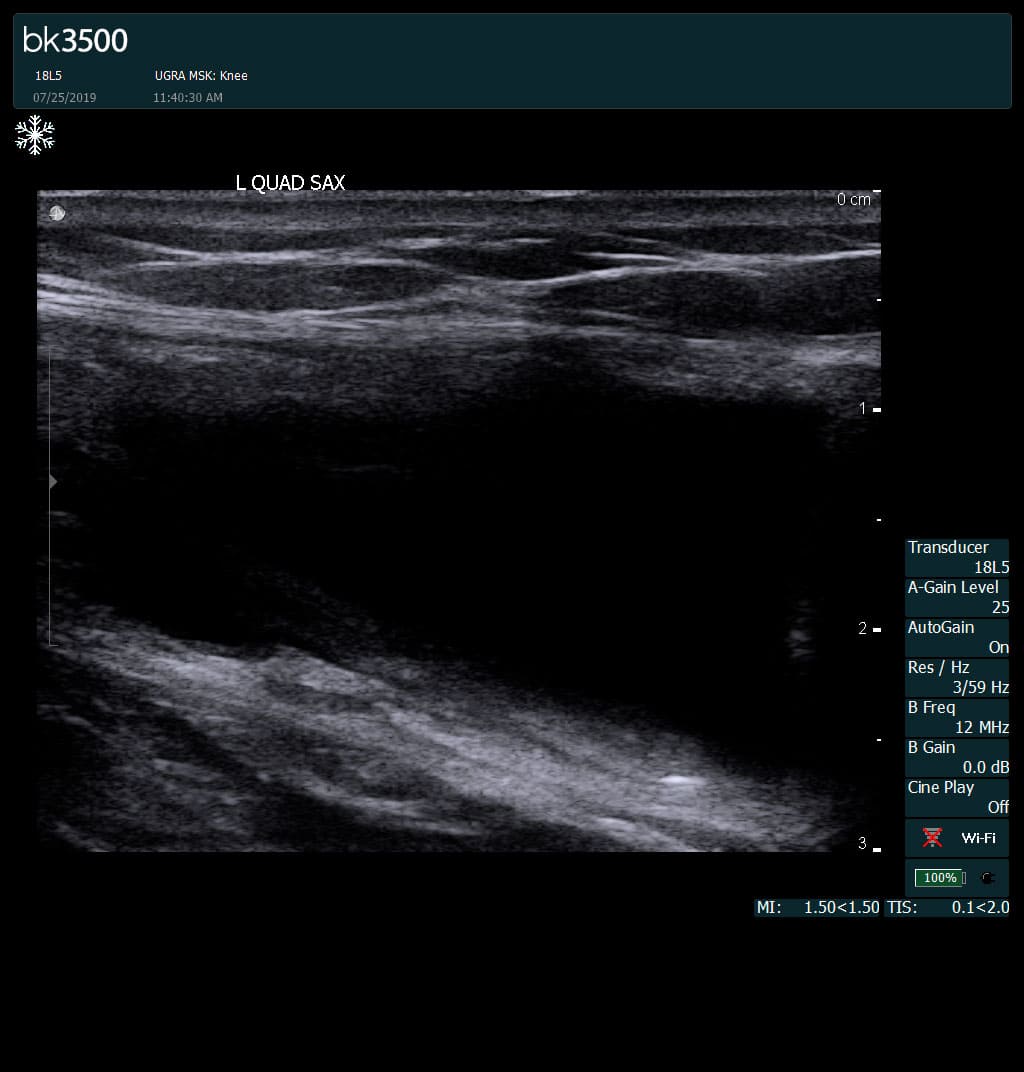
Complete tear of rectus femoris
with large hematoma (blood)
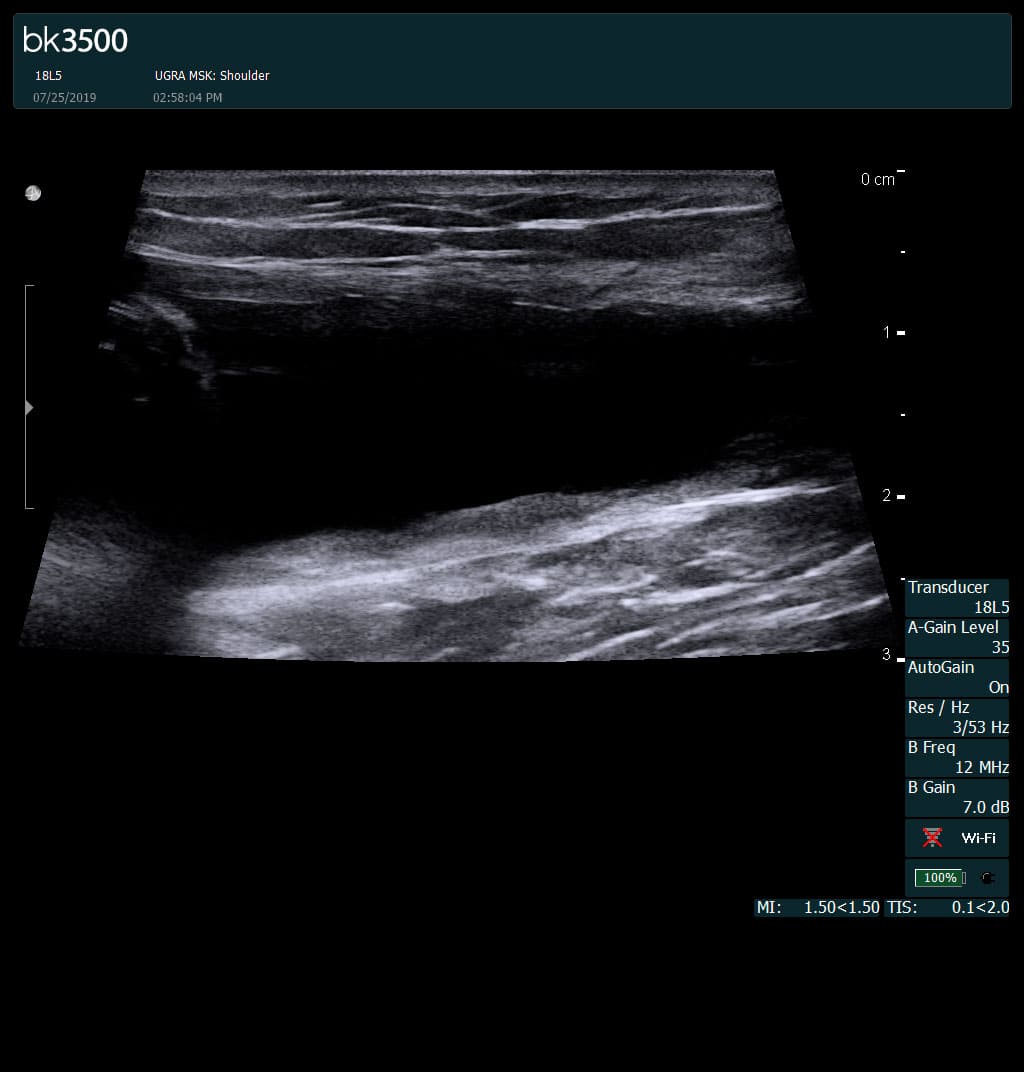
Separation of muscle ends due to tear elicited
on dynamic sonography examination


 Request Telehealth